Acacia Wood Chopping Board: Durable, Customizable

Welcome to our store!Black Friday Sale!

showlist/acacia-wood-chopping-board, showlist/acacia-wood-chopping-board, 
Inquiry
Inquiry
Customer Experiences with Acacia Wood Chopping Boards

Customer Experiences with Acacia Wood Chopping Boards

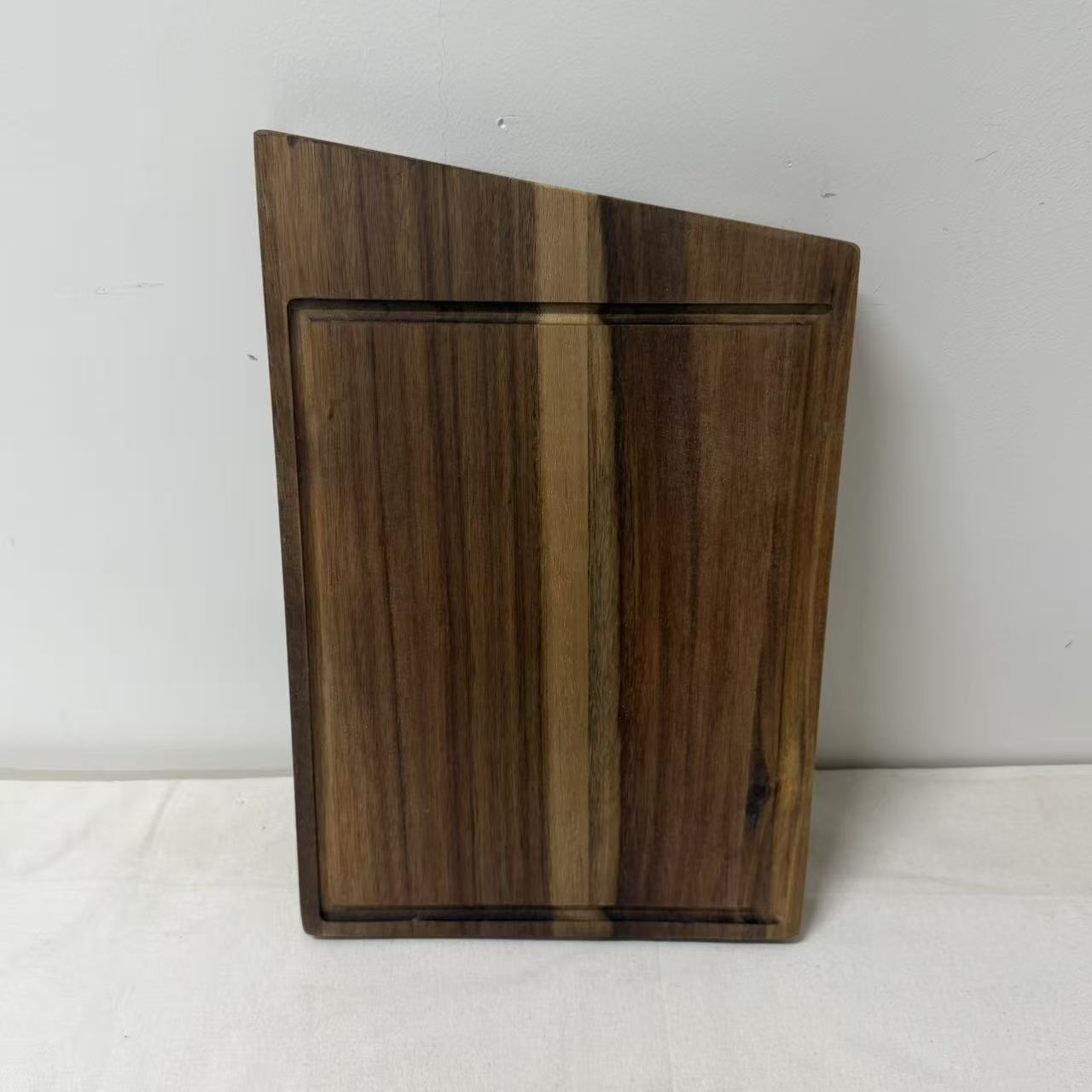
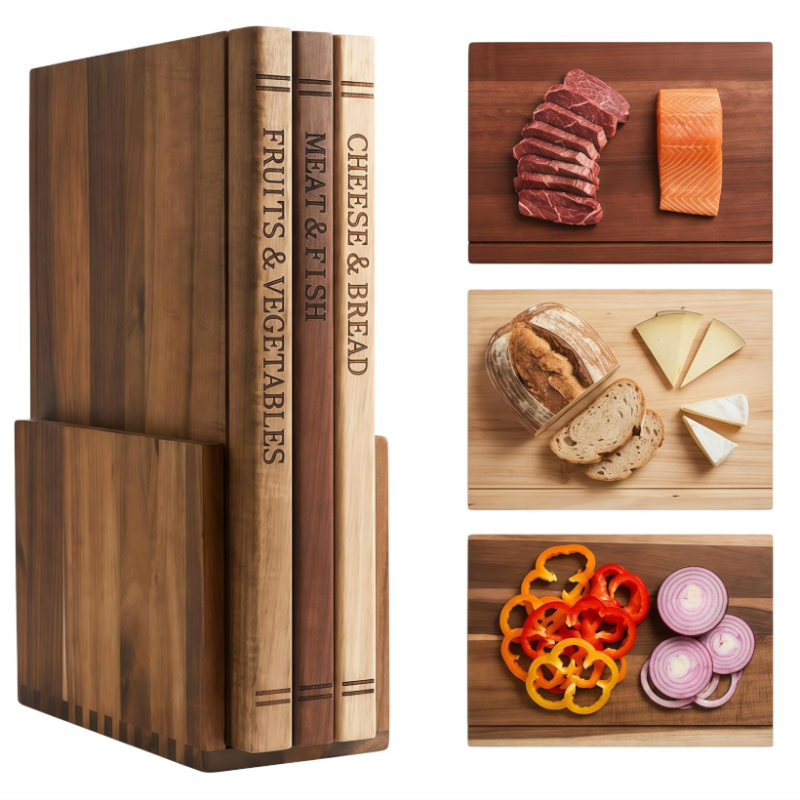
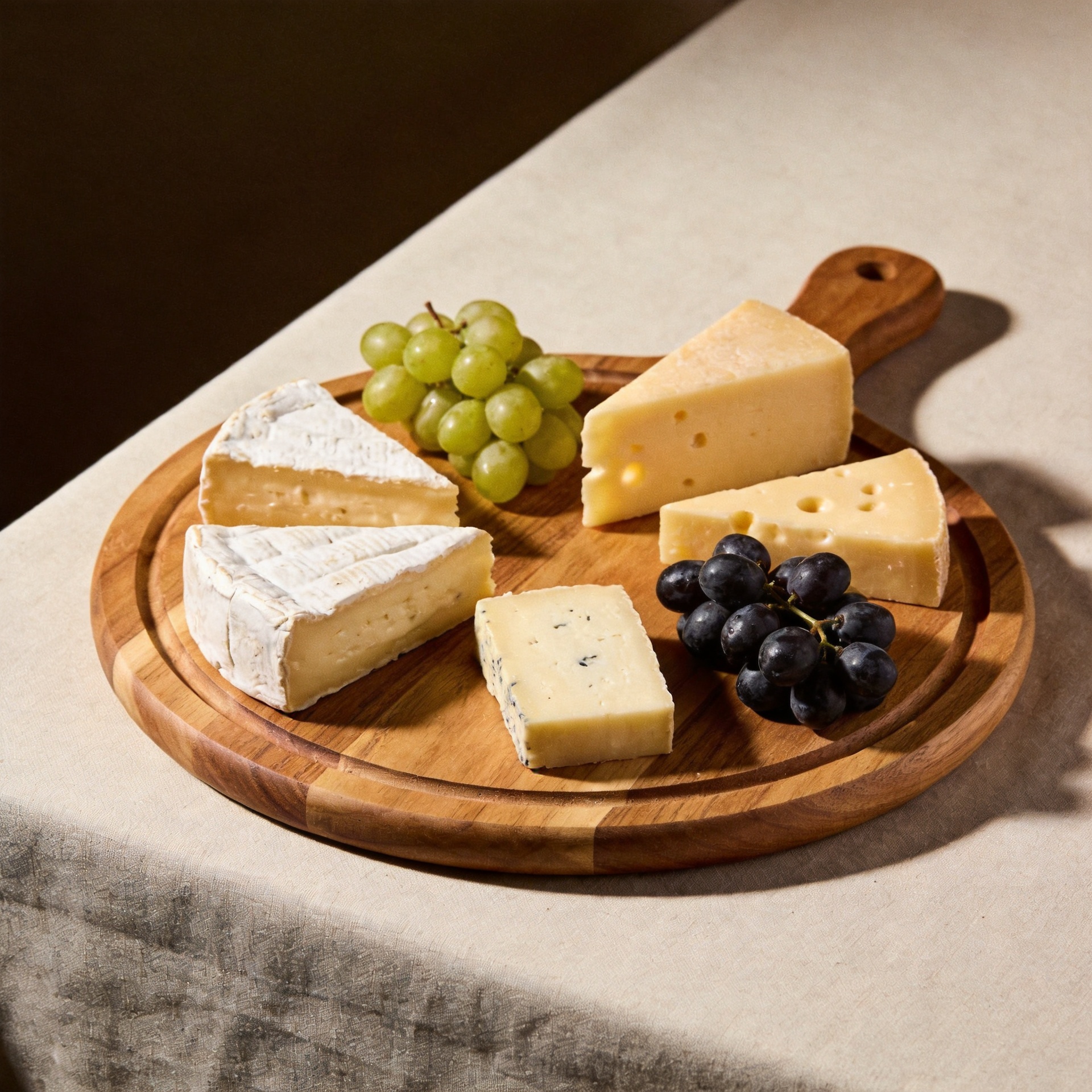
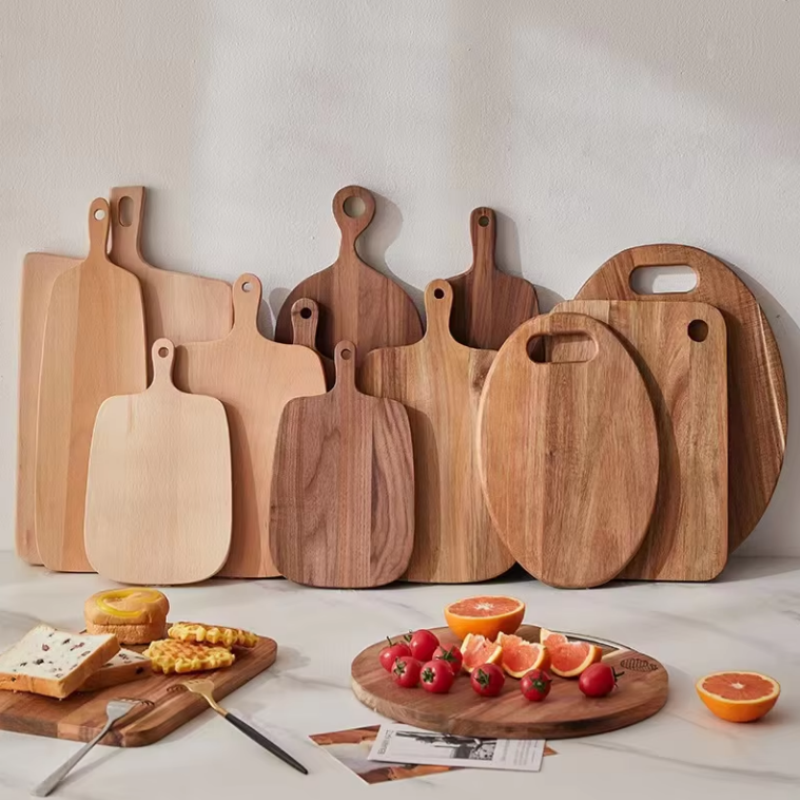
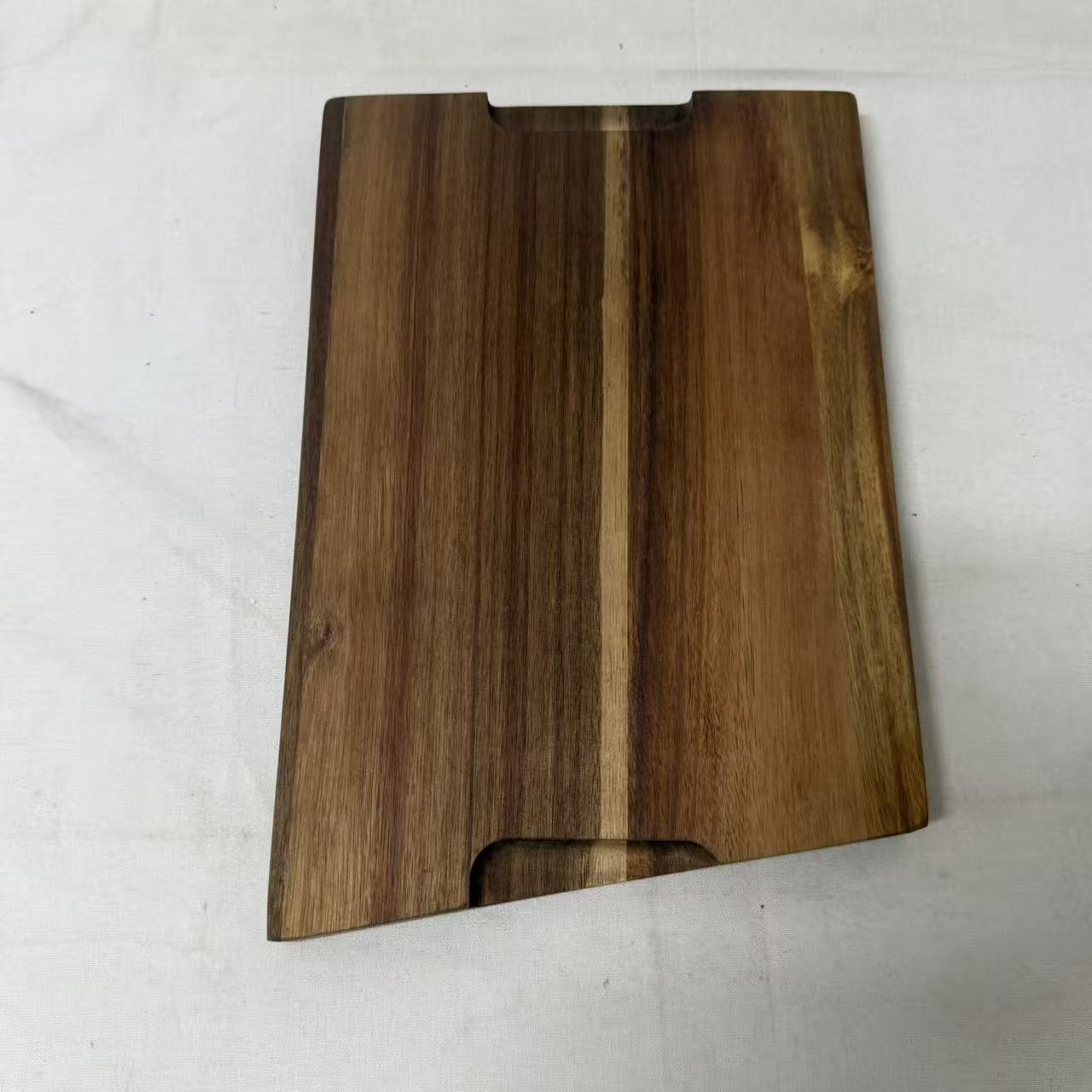
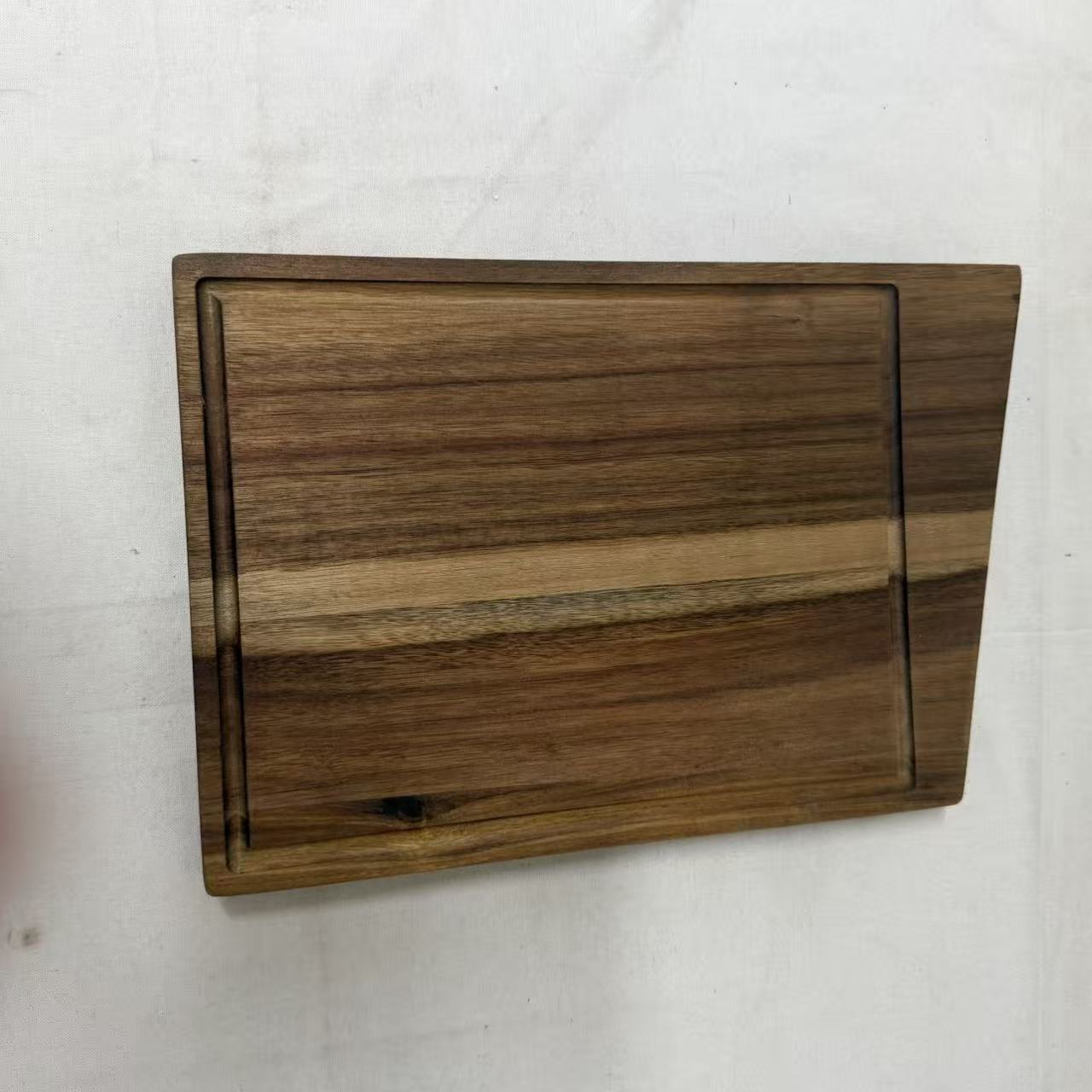
Acacia wood chopping boards bring together expressive grain patterns, warm golden-brown shades, and a durable hardwood structure. Their varied appearance suits farmhouse kitchens, contemporary homes, outdoor cooking accessories, and thoughtfully curated kitchenware collections. Woodenky helps buyers explore product specifications that match different retail and wholesale requirements, from compact preparation boards to generous work surfaces for larger ingredients. Custom options may include beveled edges, integrated handles, hanging holes, and laser-engraved branding. For example, a homeware retailer could introduce a three-size collection to serve different household needs while maintaining a coordinated visual identity. Careful timber selection, moisture management, and surface finishing support reliable workmanship, while appropriate cleaning and maintenance help preserve the board's appearance through regular use.
Get A Quote

Case Study

Multi-Size Boards for Homeware Retailers

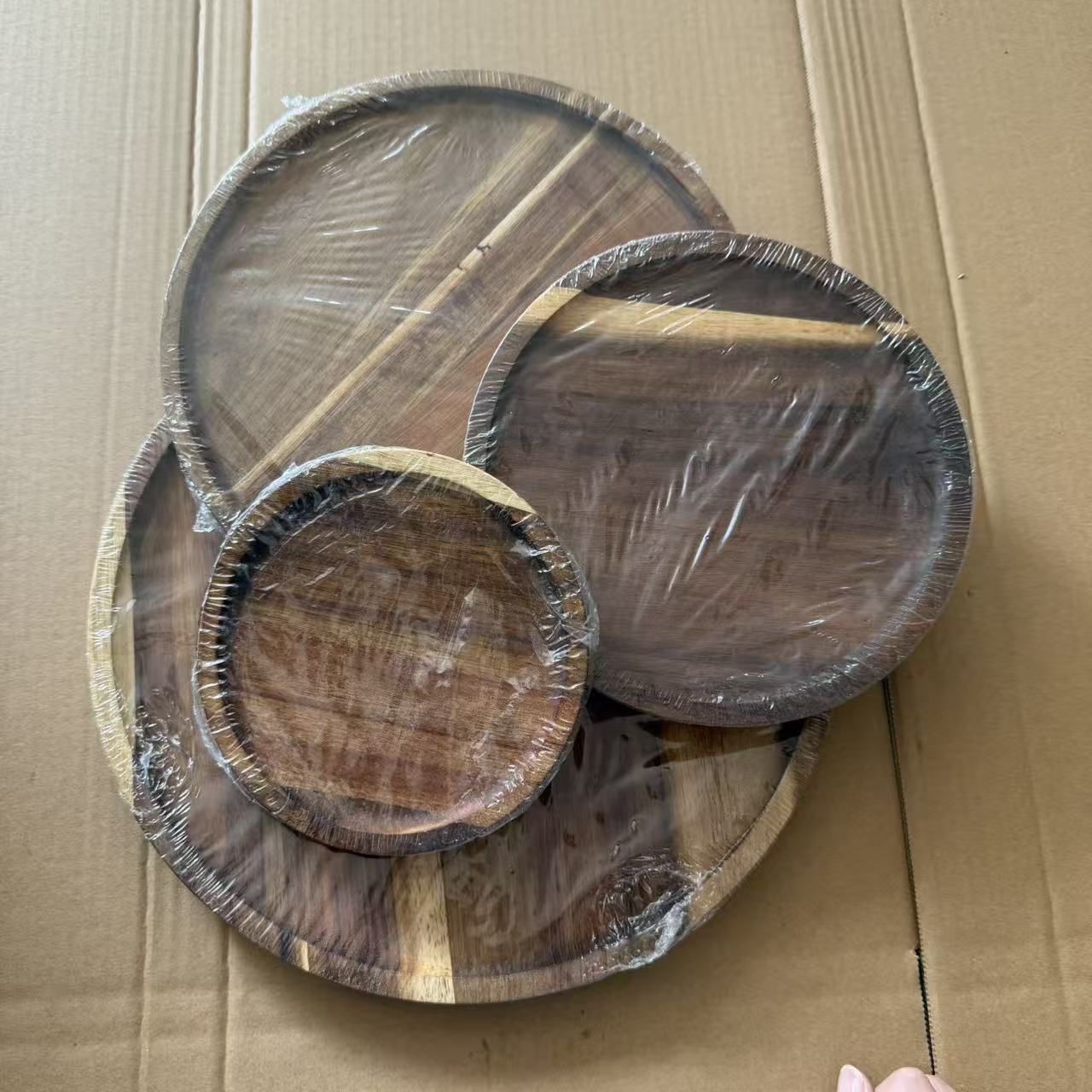
A homeware retailer wanted to refresh its wooden kitchen accessories with a material that looked distinctive on store shelves. Acacia appealed to the buyer because its contrasting grain and warm colors gave each board a natural visual identity. The proposed collection included small boards for fruit, medium boards for everyday meal preparation, and larger models for handling vegetables or bread. Woodenky can discuss dimensions, edge profiles, and packaging specifications for comparable projects. A planned 150-piece trial assortment could help the retailer evaluate customer preferences before expanding the range. By agreeing on sample appearance and acceptable natural variations in advance, the purchasing team can establish realistic quality expectations for a coordinated product launch.

Branded Chopping Boards for Outdoor Cooking

An outdoor cooking retailer sought wooden accessories for barbecue enthusiasts and customers assembling practical cooking gift sets. Acacia chopping boards offered an appealing natural look that complemented grilling tools and serving accessories. The proposed design featured a broad surface, a convenient handle, and an engraved logo, subject to manufacturing feasibility. For a sample concept, a board measuring 40 by 28 centimeters could provide useful room for preparing vegetables or arranging ingredients beside a grill. Woodenky can review customization and packaging requirements with buyers developing similar collections. The final product specification should address intended use, surface treatment, and care instructions, helping retailers communicate appropriate maintenance expectations to customers.

Frequently Asked Questions

How does acacia compare with other hardwoods for chopping boards?

Acacia is valued for its varied grain, warm colors, and hardwood characteristics. Its appearance differs from species such as maple, beech, or walnut, making it useful for brands seeking a distinctive visual style. The best choice depends on the intended application, budget, maintenance expectations, and desired product appearance.
Custom options may include engraved logos, selected dimensions, handle shapes, hanging holes, and retail packaging, depending on production capabilities. Buyers should provide artwork, size requirements, order quantity, and packaging preferences when requesting a quotation. Reviewing a pre-production sample helps confirm branding placement and finishing before a larger order proceeds.
They can be suitable when manufactured with appropriate materials and food-contact finishes. Users should clean the board promptly after use, dry it thoroughly, and avoid prolonged soaking or dishwasher cleaning. Following the supplier's maintenance instructions helps protect the wood and maintain a hygienic preparation surface over time.
Dimensions depend on the product design and manufacturing specifications. Smaller boards may suit fruit and quick preparation tasks, while wider versions provide more room for vegetables, bread, or multiple ingredients. Buyers should confirm available dimensions, thickness, and storage requirements before selecting models for a retail assortment or wholesale order.
Share the required dimensions, thickness, estimated quantity, preferred finish, branding details, packaging requirements, and delivery destination. If appearance is important, provide reference images or request samples. These details help clarify manufacturing feasibility and quotation requirements while allowing buyers to establish inspection criteria before confirming bulk production.

Related article

Wooden Bread Storage Box Materials and Ventilation Design Explained.

27

Oct

Wooden Bread Storage Box Materials and Ventilation Design Explained.

Learn how wooden bread storage box materials and ventilation design balance freshness, cleaning, and everyday kitchen use.
View More
How to Choose Wooden Dinner Plates for Restaurants and Hospitality?

27

Oct

How to Choose Wooden Dinner Plates for Restaurants and Hospitality?

Choose a wooden dinner plate for restaurants and hospitality with a practical guide to materials, food-contact checks, service fit, and reorders.
View More
What Features Should Buyers Consider in a Wooden Cheese Board?

27

Oct

What Features Should Buyers Consider in a Wooden Cheese Board?

Compare Wooden cheese board features buyers need: material, finish, serving design, food-contact checks, packaging, and quality control.
View More
What Is the Best Wood for a Wooden Chopping Board?

28

Oct

What Is the Best Wood for a Wooden Chopping Board?

Compare the best wood for a Wooden chopping board by durability, appearance, construction, and care needs for retail buying.
View More

Customer Testimonials

Michael Turner

We explored acacia wood chopping boards for our seasonal kitchenware collection. Their varied grain patterns and warm tones gave the range a distinctive look, while approved samples helped our team confirm finishing and sizing before purchasing.

Olivia Bennett

The customized acacia chopping boards suited our gift assortment perfectly. We selected practical dimensions, branded packaging, and a natural finish, creating a coordinated product line for homeware retailers without compromising the wood's individual character.

Get a Free Quote

Our representative will contact you soon.
0/1000
Naturally Varied Grain That Makes Every Board Distinctive

Naturally Varied Grain That Makes Every Board Distinctive

Acacia wood gives chopping boards a visual character that comes from natural differences in grain direction, color, and texture. Golden hues, deeper brown streaks, and contrasting patterns can make the finished product stand out in kitchenware displays. This makes acacia a compelling option for retailers serving customers who appreciate natural materials and individually distinctive home accessories. Buyers can select board proportions suited to different tasks, from compact fruit preparation to larger ingredient handling. For instance, a coordinated range with three board sizes could address varied household preferences without relying on identical designs. Because the wood's appearance naturally changes between pieces, sample approval and clear variation guidelines are important when developing a consistent commercial collection.
Custom Product Details for Wholesale Kitchenware Programs

Custom Product Details for Wholesale Kitchenware Programs

A well-planned acacia chopping board range can help distributors and private-label brands offer products tailored to specific customer groups. Design choices may include rounded corners, shaped handles, hanging holes, beveled edges, and engraved logos. Packaging can also be developed to suit gift stores, kitchenware retailers, or online product listings, subject to supplier capabilities. A buyer launching a 150-piece initial order, for example, could use sample evaluation to check the design, dimensions, finish, and presentation before considering a wider rollout. Documenting these specifications helps reduce misunderstandings during production and inspection. By combining practical construction with considered branding, businesses can create an identifiable product range that reflects their market positioning and merchandising strategy.