AR

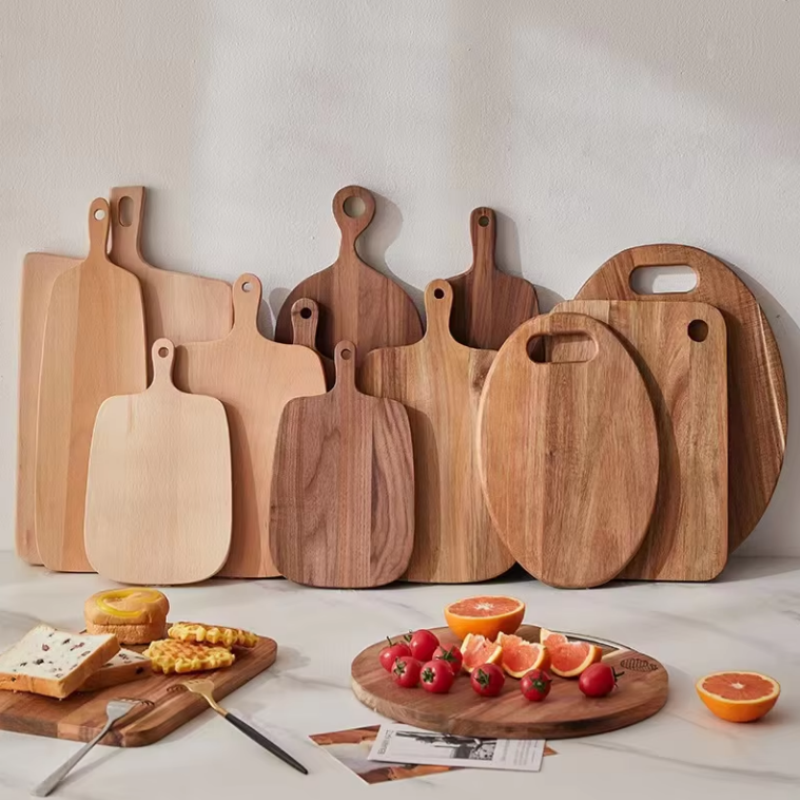
What Is the Best Wood for a Wooden Chopping Board?
There is no single best wood for every wooden chopping board. The right choice depends on whether you are specifying an everyday cutting board, a premium giftable range, or a butcher block board for heavier prep. For supermarket and trading-company buyers, a good decision also has to consider appearance consistency, care instructions, construction, and how the board will sit within a broader wooden kitchenware assortment.
When I review a cutting board range for a housewares section, I do not begin with color alone. I compare the wood’s balance of durability, grain behavior, finish response, and the practical expectations customers will have after purchase. A handsome board that is difficult to care for can create avoidable returns; a very hard board that feels unforgiving in daily use may not fit the same customer profile as a lighter, more decorative option.
Start with the job the board must do
A wooden chopping board needs enough resistance to marks and moisture for normal kitchen use, while remaining practical for food preparation and routine maintenance. Wood species matters, but so do board thickness, grain orientation, adhesive quality, sanding, and the food-contact finish. In other words, “hardwood” is not a complete specification.
For a retail program, separate the intended uses before choosing a species:
- Everyday cutting board: needs balanced durability, a comfortable working surface, and clear care guidance.
- Acacia chopping board or serving-and-cutting range: benefits from expressive grain and a warm visual identity, especially where display appeal matters.
- Butcher block board: needs stable construction and sufficient thickness because it is expected to handle heavier preparation.
- Gift or premium kitchenware: may prioritize a distinctive grain pattern, shape, and finish as much as intensive chopping use.
Why maple remains a dependable benchmark
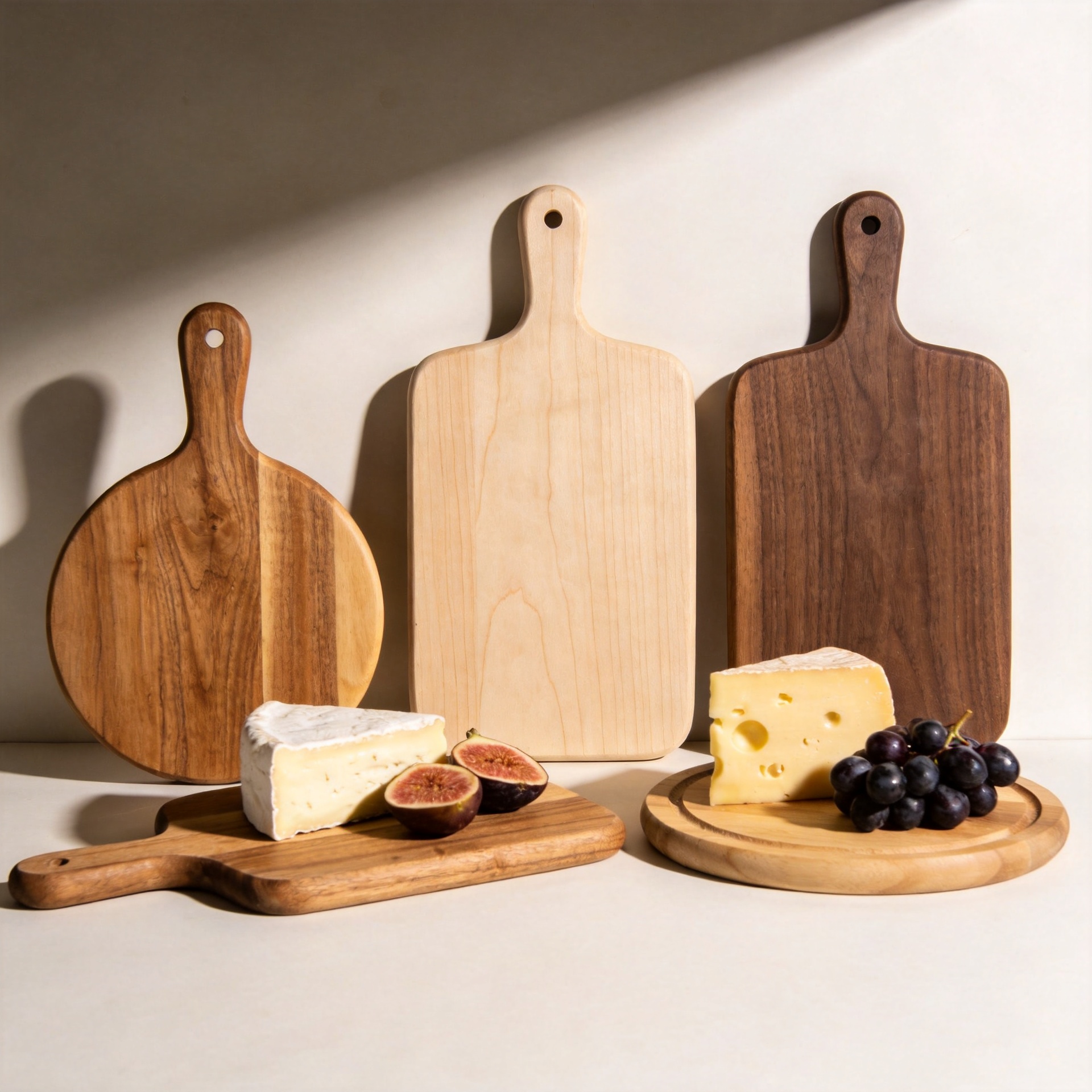
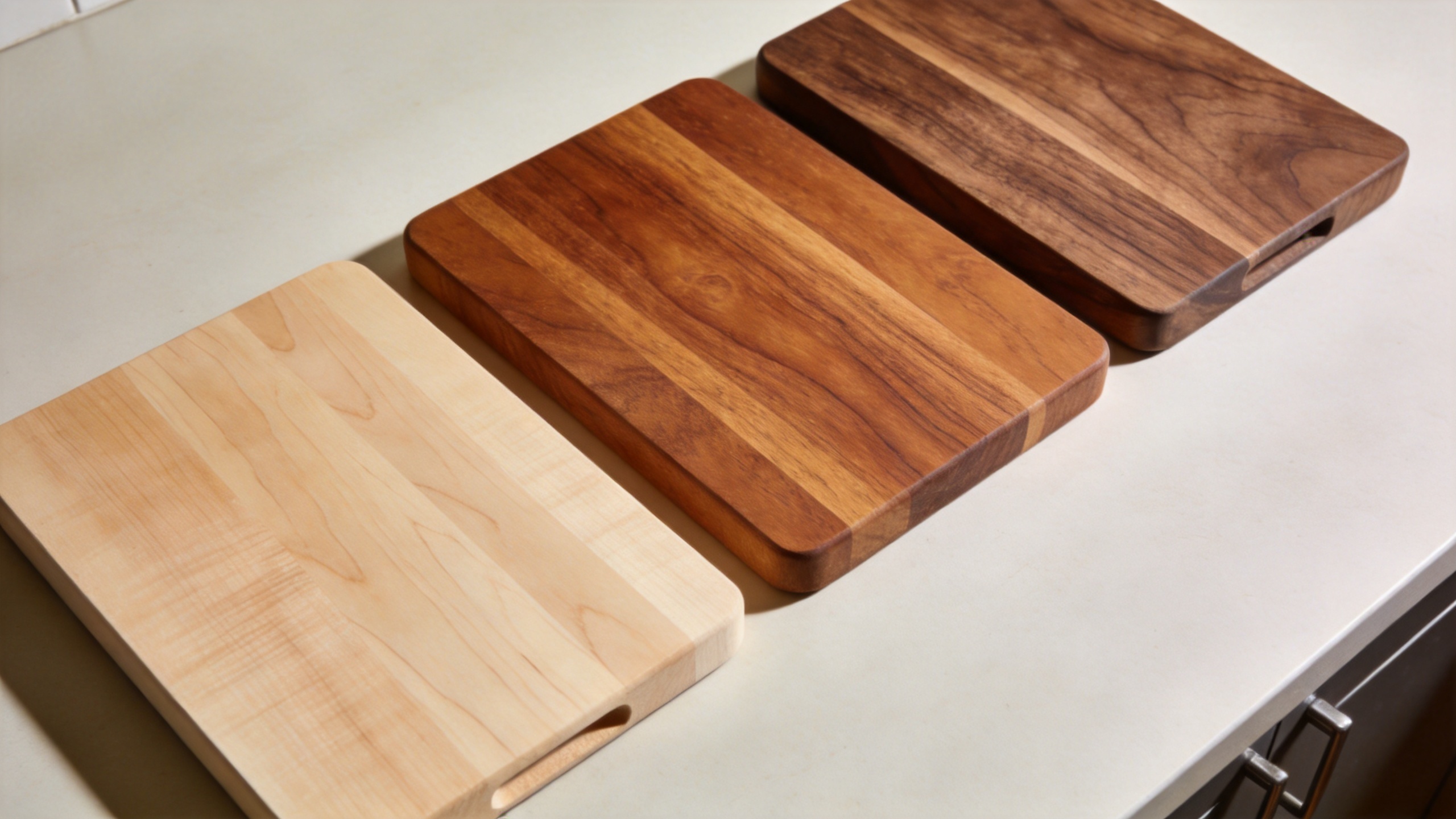
Maple is often used as a reference point for a wooden chopping board because it combines a relatively even appearance with a reputation for reliable day-to-day performance. Its light color can suit clean, modern kitchen collections, and it gives buyers a familiar visual standard for a cutting board.
That does not mean maple is automatically the best answer. If a range needs pronounced color variation or a darker, more decorative look, another species may make more sense. Buyers should also ask how the supplier controls drying, sanding, and finishing. A well-made board is not defined by the species name alone.
When an acacia chopping board is the better commercial fit
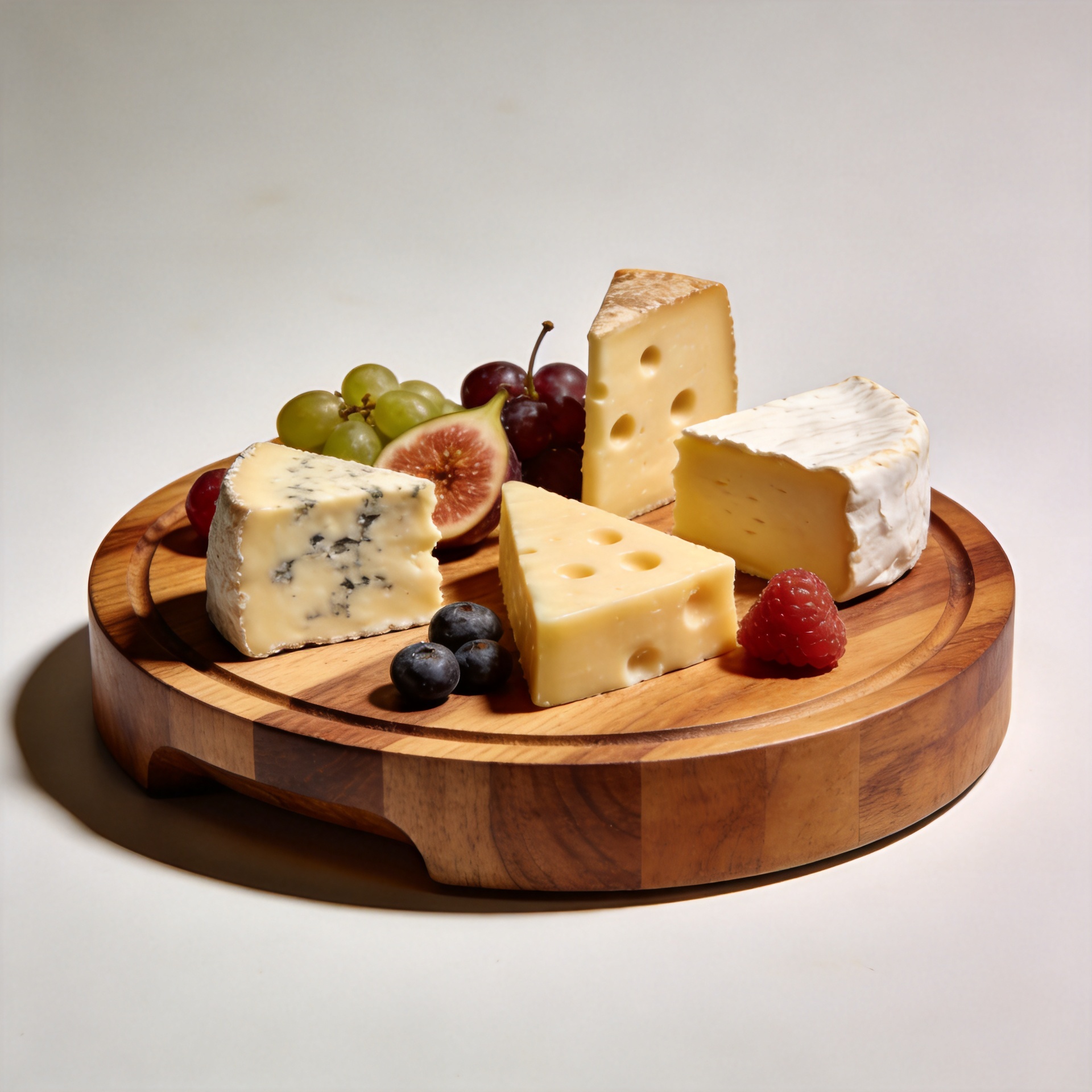
An acacia chopping board is often chosen for its lively grain and warm brown tones. Those characteristics can help a wooden kitchenware display look less uniform and more natural. Acacia can be a strong choice for retailers that want a board to work both as a preparation tool and as a presentation piece for bread, cheese, or casual serving.
There is a trade-off. Natural variation is part of the appeal, but it means buyers should not expect each piece in a shipment to look identical. If your planogram depends on highly matched color, request representative samples and agree on the acceptable variation before a volume order. I used to assume that a natural wood label automatically signaled quality; in practice, drying, joinery, and the finish are equally important to a board’s long-term appearance.
Walnut, teak, and bamboo: where they fit
Walnut offers a darker, more premium visual direction. It can suit an upscale gift assortment or a kitchen collection built around deep tones. The commercial question is whether the price position and color story match the target market, not whether walnut is universally superior.
Teak is commonly considered when moisture resistance is a priority, but responsible sourcing and the expected finish should be discussed carefully. Do not treat the species name as a substitute for asking about the material’s origin, construction, and care needs.
Bamboo is technically a grass rather than a wood, yet it appears frequently alongside a wooden chopping board range. It can offer a distinct visual and price position. Because manufacturing methods vary, buyers should evaluate the finished sample rather than assume that all bamboo cutting board options perform the same way.
Do not choose by hardness alone
Hardness is useful as a comparison clue, but it is not the only criterion. A very hard surface may resist some marking, while board geometry, glue lines, moisture exposure, and finish maintenance still influence service life. Well, the point is that a material comparison should lead to a sampling checklist, not a one-line claim about which species wins.
For each candidate cutting board, inspect these points:
- Grain and appearance: Does the natural variation match the range concept and display standard?
- Construction: For a butcher block board, are the joints clean, stable, and evenly finished?
- Edge treatment: Are corners, handles, and juice grooves smooth and practical?
- Finish: Is the surface even, food-contact appropriate for the intended market, and supported by care instructions?
- Sample behavior: After normal cleaning and drying, does the sample remain flat and comfortable to use?
Care guidance should be part of the buying decision
The best species can still disappoint if the customer does not know how to care for it. USDA food-safety guidance recommends washing cutting boards with hot, soapy water after use, rinsing, and drying them. It also advises replacing boards that become excessively worn or develop grooves that are difficult to clean. That practical message belongs on packaging or an insert, especially for a wooden chopping board sold to first-time buyers.
Keep the advice simple: wash promptly, avoid prolonged soaking, dry evenly, and follow the supplier’s finish-care guidance. A board should not be marketed as maintenance-free. For a premium acacia chopping board or a thick butcher block board, an informed care message helps protect both the product experience and the retailer’s reputation.
A practical recommendation for range planning
If you need a versatile, familiar everyday option, maple is a sensible benchmark. If you want a warmer, more expressive range that can cross from prep to serving, acacia is often worth considering. If a premium dark aesthetic matters, walnut may be the better fit. For a heavier butcher block board, prioritize stable construction and a physical sample review over a species label alone.
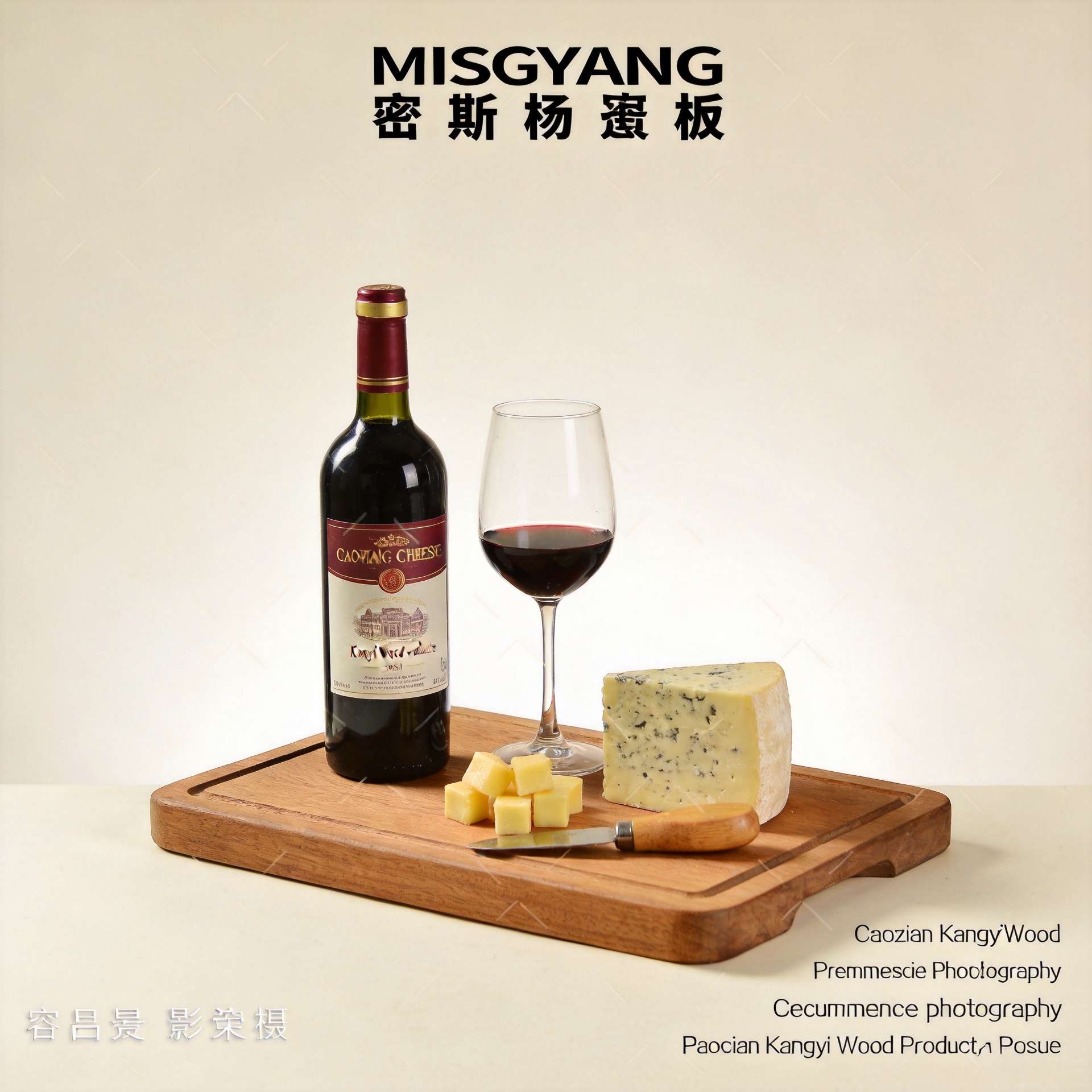
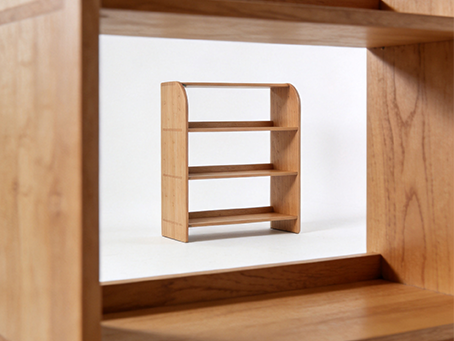
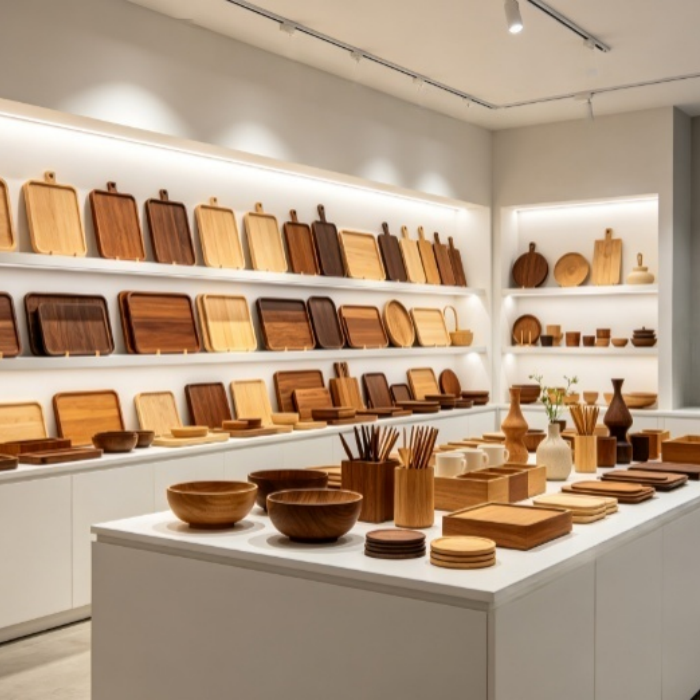
Caoxian Kangyi Wood Products Co., Ltd. works across wooden kitchenware, wood storage racks, and wooden furniture, so its range-planning perspective is grounded in the practical differences between product formats rather than one fixed material story. For buyers in Europe, North America, Oceania, and South America, the most useful next step is to define the intended use, target retail position, and acceptable natural variation, then assess samples against that brief.
Ultimately, the best wood for a wooden chopping board is the one whose appearance, construction, care requirements, and price position align with your customers. Choose the board as a complete product—not just as a species name—and the final assortment will be easier to sell and support.