Japanese Wooden Tea Tray | Premium B2B Wholesale & Custom

Welcome to our store!Black Friday Sale!

showlist/japanese-wooden-tea-tray, showlist/japanese-wooden-tea-tray, 
Inquiry
Inquiry
Customer Reviews of Japanese Wooden Tea Trays

Customer Reviews of Japanese Wooden Tea Trays

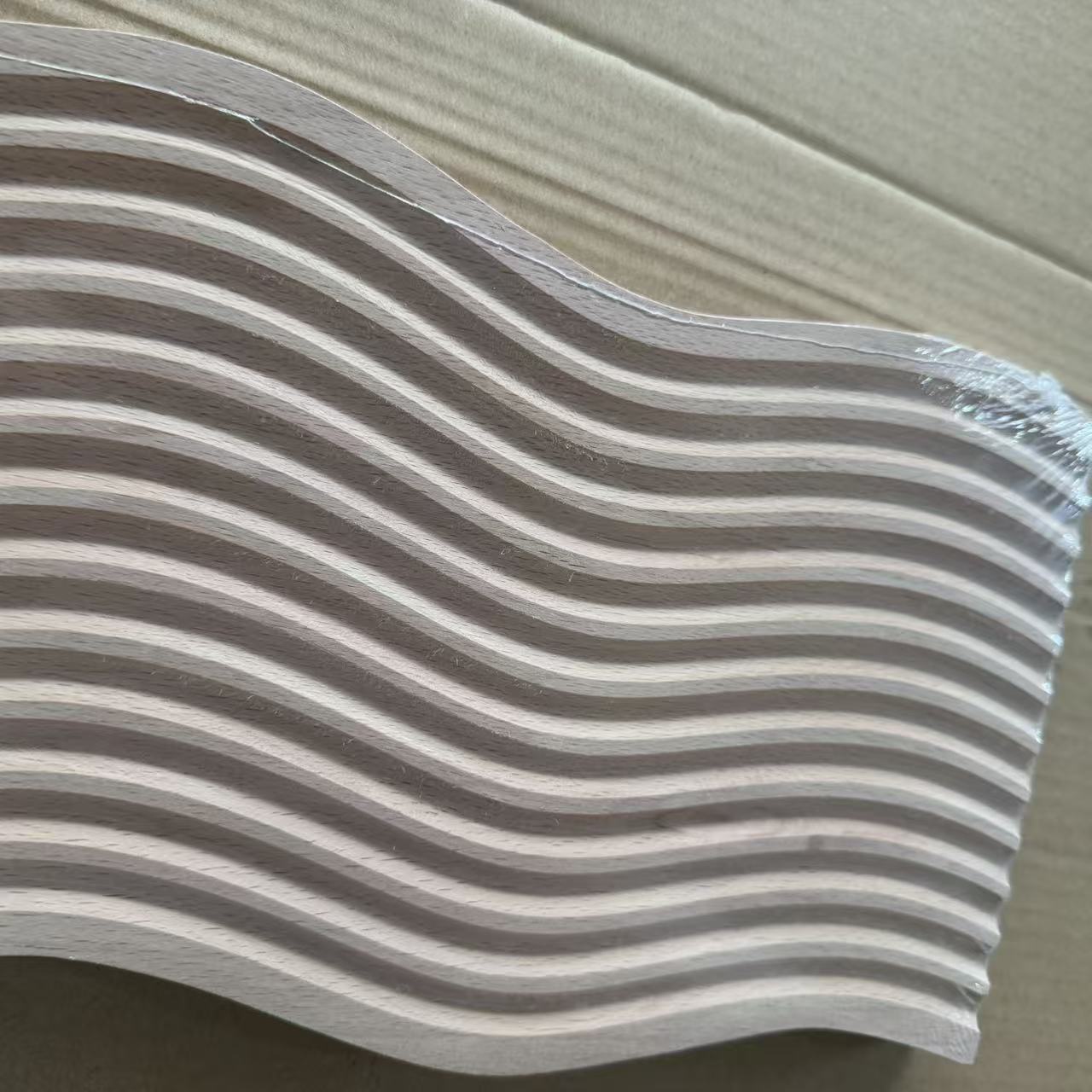
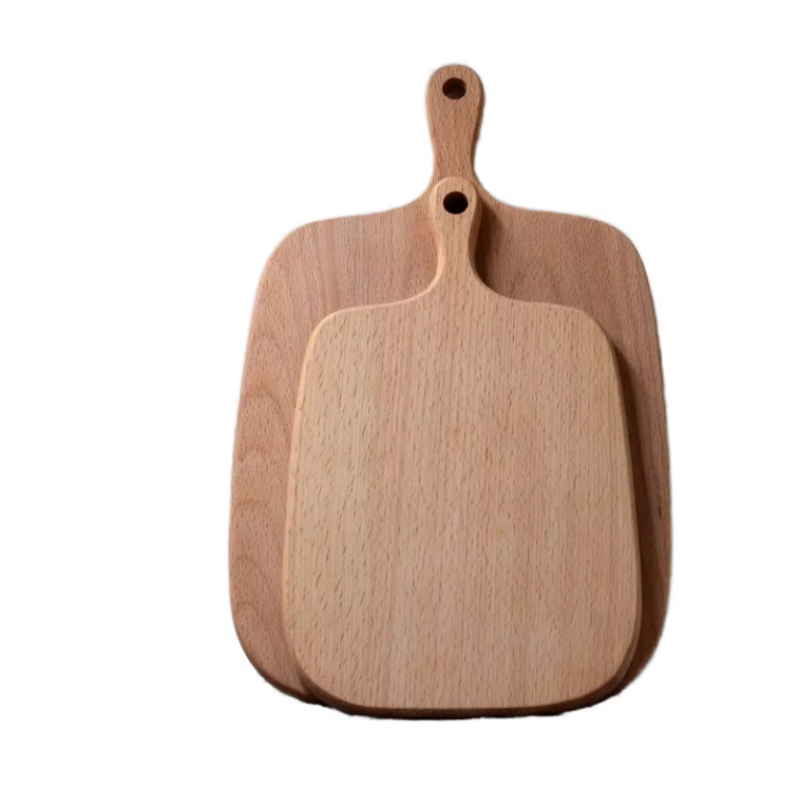
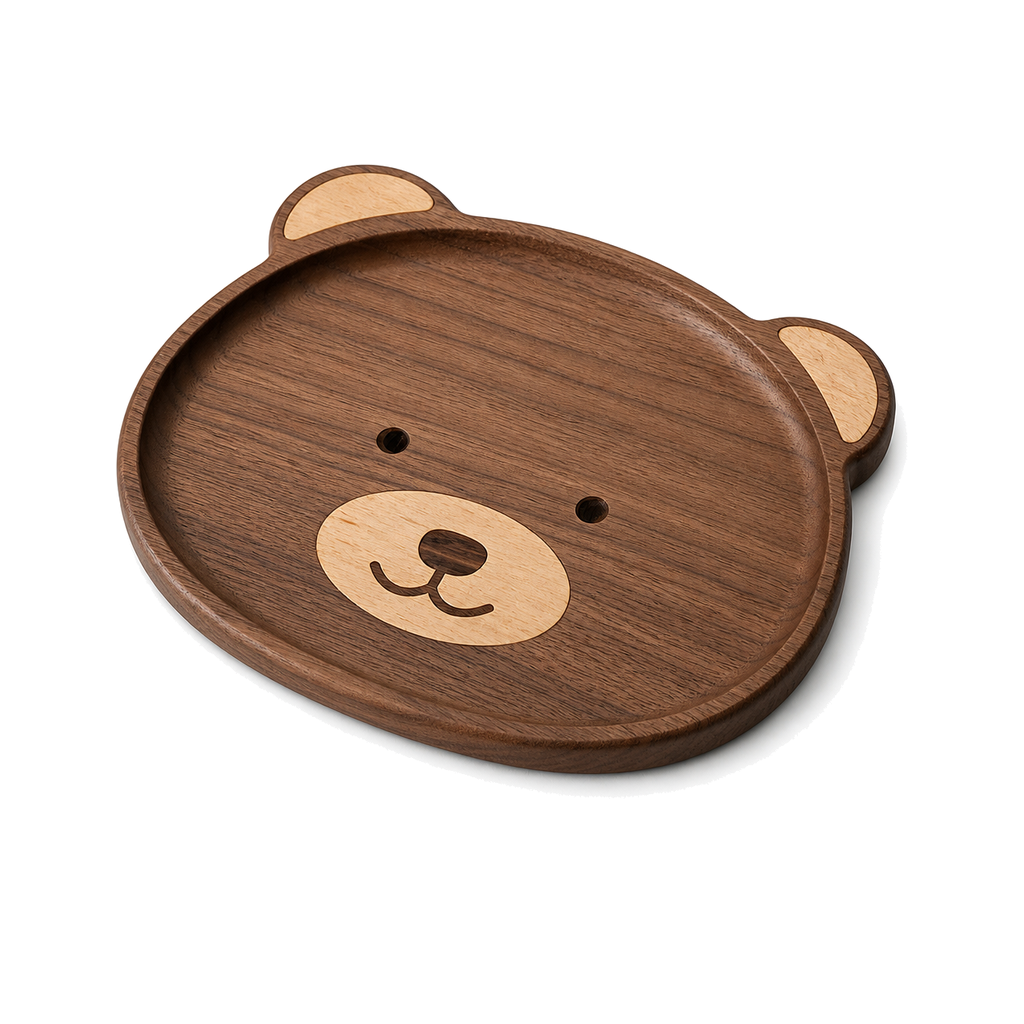
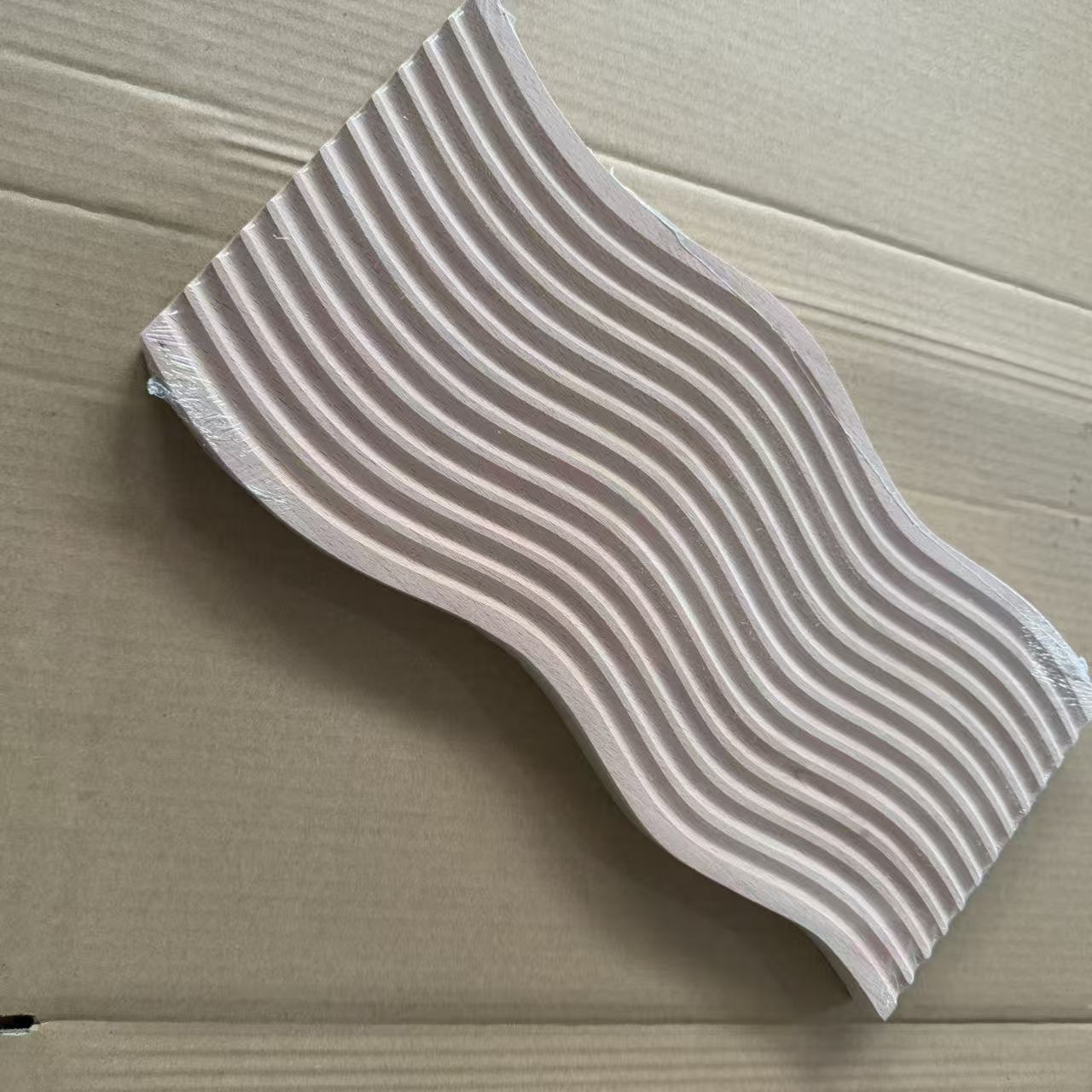
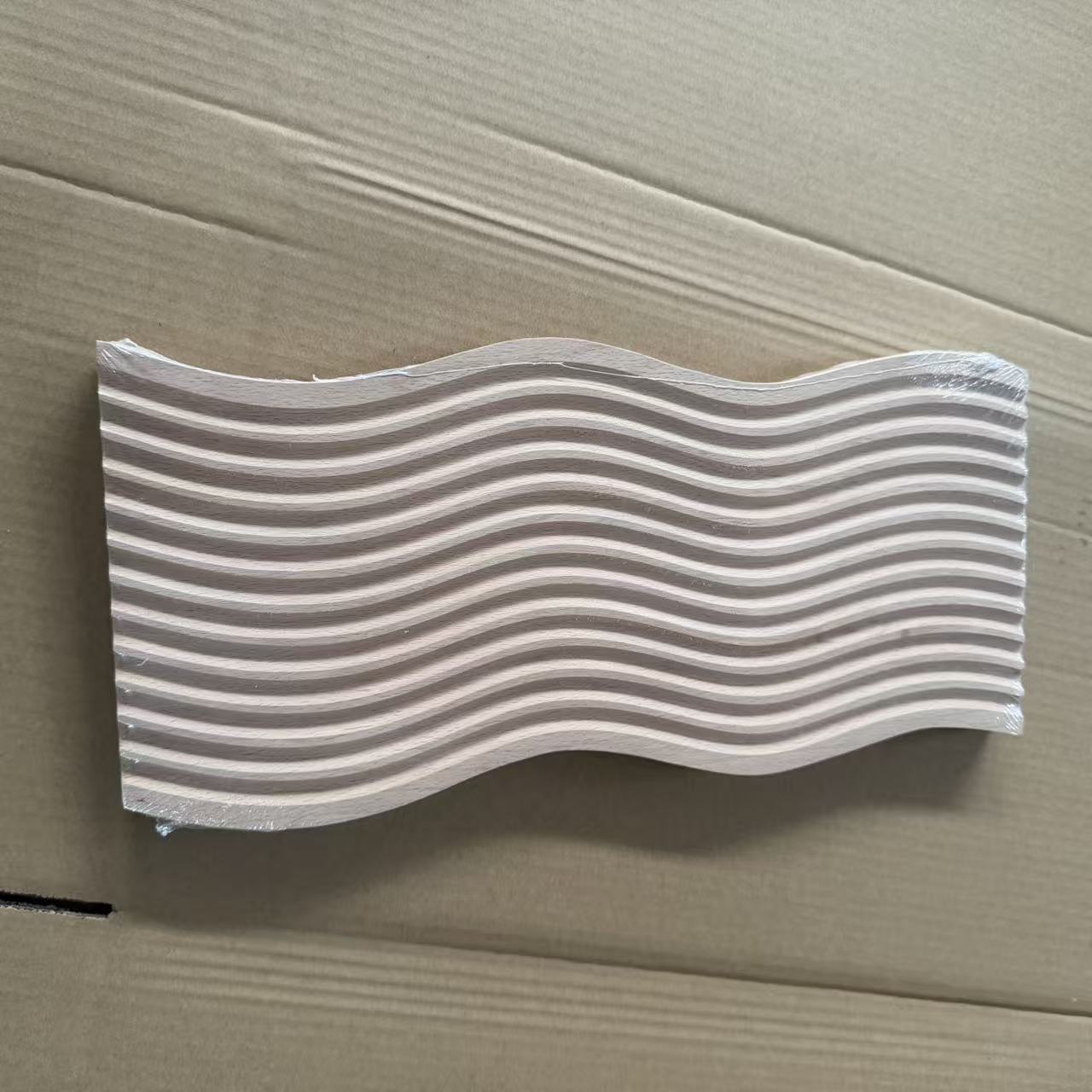
A Japanese wooden tea tray brings warmth, simplicity, and practical functionality to traditional tea service, contemporary tea rooms, and premium homeware collections. Carefully selected wood, smooth surfaces, and balanced proportions create an attractive foundation for teapots, cups, and tea accessories. Different sizes, wood species, and finishes can accommodate individual serving rituals or commercial hospitality requirements. For retailers and importers, customizable designs support coordinated product collections and distinctive brand positioning. Depending on the design, drainage features, raised edges, or recessed surfaces can improve handling during service. These thoughtful details help businesses offer tea accessories that combine cultural inspiration, everyday usability, and lasting visual appeal.
Get A Quote

Case Study

Traditional Tea Ceremony Presentation

Tea houses and specialty tea retailers can use Japanese wooden tea trays to organize teapots, tasting cups, and tea utensils in a calm, balanced arrangement. Natural grain patterns complement ceramic tea sets and reinforce the visual character of traditional tea service. A compact tray can suit individual tastings, while larger formats provide additional space for serving guests. Smooth finishing helps create a comfortable handling experience and makes routine surface cleaning more convenient. For businesses developing premium tea accessories, coordinated tray sizes and finishes can create a consistent presentation across different product categories. Material selection and construction should reflect the intended service environment and care requirements.

Premium Homeware and Gift Collections

Homeware brands can position Japanese wooden tea trays as thoughtful gifts for tea enthusiasts, housewarming occasions, and seasonal retail collections. Their restrained appearance works with minimalist interiors, natural tableware, and contemporary kitchen accessories. A coordinated collection may include several dimensions, allowing customers to choose trays for personal tea rituals or entertaining. Manufacturers can explore custom packaging, engraved branding, and selected wood finishes to support distinctive retail positioning. For example, a gift retailer could pair a medium tray with matching wooden utensils and ceramic cups. Actual pricing, production quantities, and packaging options depend on the selected specifications and manufacturing requirements.

Hospitality and Specialty Tea Retail

Boutique hotels, tea lounges, and specialty cafés can incorporate wooden tea trays into guest service to present drinks and accompanying accessories neatly. A stable base helps organize cups and teapots, while suitable dimensions make handling easier between preparation areas and tables. Commercial buyers should consider tray weight, surface resistance, edge design, and cleaning procedures before selecting a model for frequent use. Custom finishes can also complement a property's interior design or branded tableware. For multi-location businesses, standardized dimensions and repeatable finishing specifications help maintain a consistent presentation. Sample approval and product testing are useful steps before confirming larger purchasing orders.

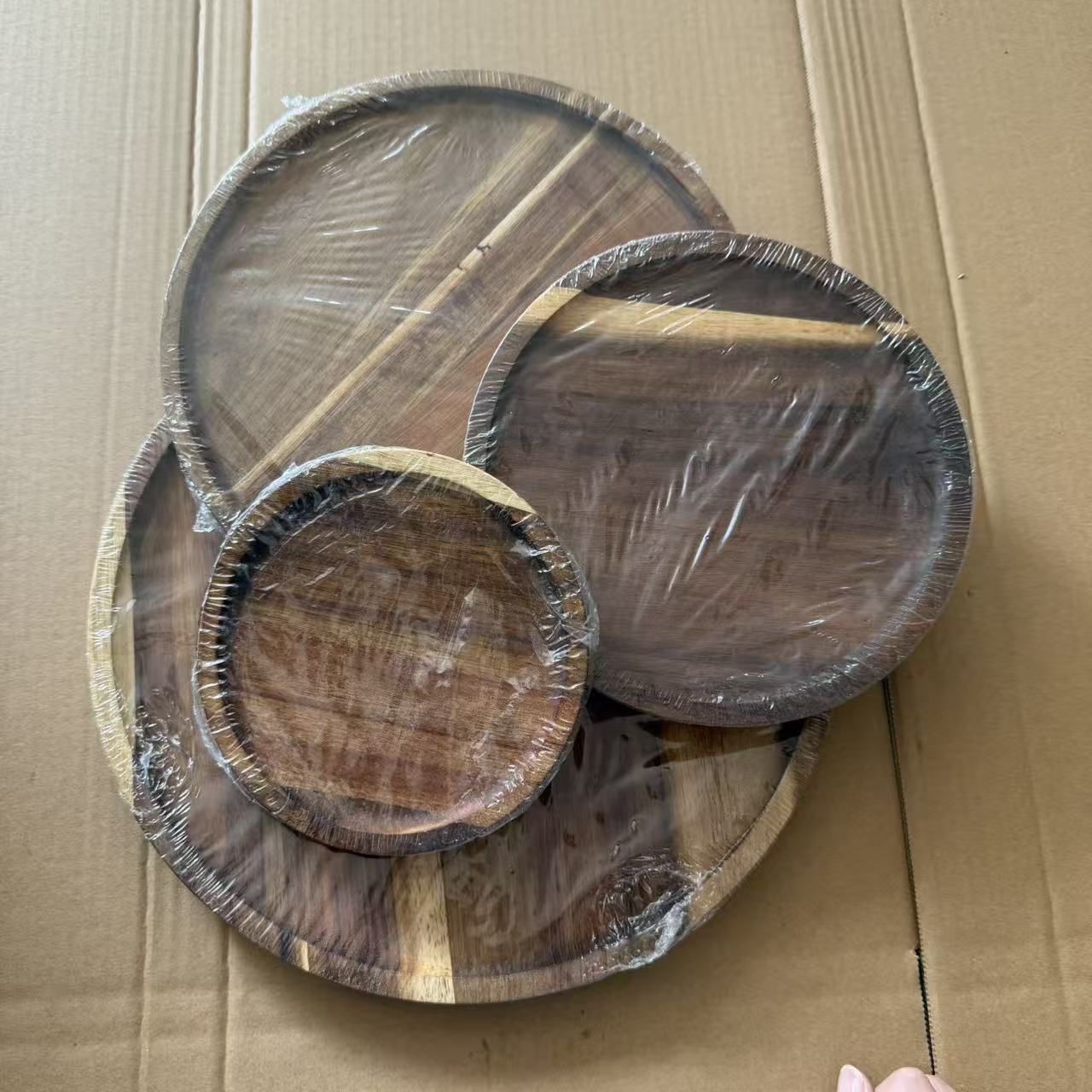
Japanese wooden tea trays combine understated aesthetics with the practical needs of tea preparation and presentation. Inspired by Japanese design principles, they emphasize natural materials, balanced proportions, and uncluttered surfaces. Depending on the intended application, buyers can select compact trays for individual tea rituals or larger models for serving several guests. Wood species, grain appearance, thickness, edge profiles, and protective finishes all influence the final product's appearance and performance. For international wholesalers, homeware brands, and hospitality suppliers, customization can support differentiated product ranges. Options may include tailored dimensions, selected finishes, logo engraving, and retail packaging, subject to manufacturing capabilities. A coordinated collection of two or three sizes can address different serving needs without making inventory management unnecessarily complicated. When evaluating a supplier, buyers should review wood sourcing information, moisture control, surface consistency, assembly quality, and packaging protection. Sample approval helps confirm color, dimensions, and finish before mass production. Clear specifications also reduce misunderstandings during repeat orders. Whether intended for a traditional tea room, a contemporary café, or a premium gift collection, a well-designed Japanese wooden tea tray can connect cultural inspiration with practical everyday use.

Frequently Asked Questions

What wood types are suitable for Japanese wooden tea trays?

Suitable wood depends on the desired grain, color, weight, durability, and budget. Buyers may consider hardwoods or other appropriate timber species based on the intended application. Confirm the exact species, finish, moisture requirements, and food-contact suitability with the manufacturer before placing an order.
Customization may include dimensions, wood species, surface finishes, logo engraving, and packaging, depending on the manufacturer's capabilities. Provide your target market, estimated order quantity, and design references when requesting a quotation. Approve a production sample to verify the final appearance and specifications.
Wipe the tray with a soft, slightly damp cloth and dry it promptly. Avoid prolonged soaking, dishwasher cleaning, and excessive heat unless the manufacturer specifically confirms these methods are suitable. Follow the care instructions for the selected finish to help preserve the wood's appearance and structural stability.
Yes, appropriately designed trays can serve tea in cafés, hotels, and specialty tea rooms. Selection should account for expected handling frequency, load capacity, surface protection, and cleaning procedures. Request product specifications and test samples under your normal service conditions before purchasing for intensive commercial use.
Share your preferred dimensions, wood species, finish, estimated quantity, logo requirements, packaging preferences, and destination market. Reference images or drawings can help clarify your expectations. The supplier can then assess feasibility, sample arrangements, production lead time, and shipping options based on the complete specification.

Related article

What Is a Wooden Display Stand Used For?

27

Oct

What Is a Wooden Display Stand Used For?

Learn what a wooden display stand is used for, from countertop merchandising to retail organization and product storytelling.
View More
How to Choose the Right Wooden Spatula for Different Cooking Tasks?

27

Oct

How to Choose the Right Wooden Spatula for Different Cooking Tasks?

Choose the right Wooden spatula by task, shape, wood, handle, and care needs for easier everyday cooking.
View More
How to Choose Wooden Dinner Plates for Restaurants and Hospitality?

27

Oct

How to Choose Wooden Dinner Plates for Restaurants and Hospitality?

Choose a wooden dinner plate for restaurants and hospitality with a practical guide to materials, food-contact checks, service fit, and reorders.
View More
Why Do Restaurants and Wineries Use Wooden Cheese Boards?

28

Oct

Why Do Restaurants and Wineries Use Wooden Cheese Boards?

Discover why restaurants and wineries choose a Wooden cheese board for polished presentation, efficient service, and memorable pairings.
View More

Customer Testimonials

Emily Carter

Our tea shop introduced Japanese wooden tea trays to enhance traditional tea presentations. The natural wood finish and practical surface helped create a consistent serving experience for daily tastings and private customer sessions.

Daniel Brooks

We selected wooden tea trays for our homeware collection because their understated design suits modern and traditional interiors. The customizable finishes helped us coordinate products across our seasonal assortment.

Get a Free Quote

Our representative will contact you soon.
0/1000
Thoughtful Design for Authentic Tea Presentation

Thoughtful Design for Authentic Tea Presentation

The appeal of a Japanese wooden tea tray lies in its ability to make tea service feel organized without overwhelming the setting. Natural wood tones complement ceramic cups, cast-iron teapots, bamboo utensils, and neutral tableware. For tea shops, the tray can become part of a recognizable serving style; for homeware retailers, it adds a practical accessory to coordinated collections. Buyers can compare round, rectangular, and other shapes according to their presentation needs. Surface finish and edge design should be selected for the intended use rather than appearance alone. Consistent dimensions and careful finishing also help retailers maintain a cohesive visual identity across multiple products.
Custom Manufacturing for International Buyers

Custom Manufacturing for International Buyers

Customization gives importers and private-label brands more control over the appearance and positioning of their Japanese wooden tea trays. Depending on production capabilities, specifications can cover tray dimensions, timber selection, color tone, surface treatment, engraving, and packaging. A retailer preparing a premium tea collection, for example, may request coordinated trays in two sizes with matching branded gift boxes. Before production, buyers should confirm samples, tolerances, finish consistency, and packaging protection. Clear specifications help reduce avoidable revisions and support more predictable repeat orders. For international distribution, packaging should also account for handling, storage, and transport conditions. Final options, minimum order quantities, and lead times require supplier confirmation.