AR

What Is a Wooden Display Stand Used For?
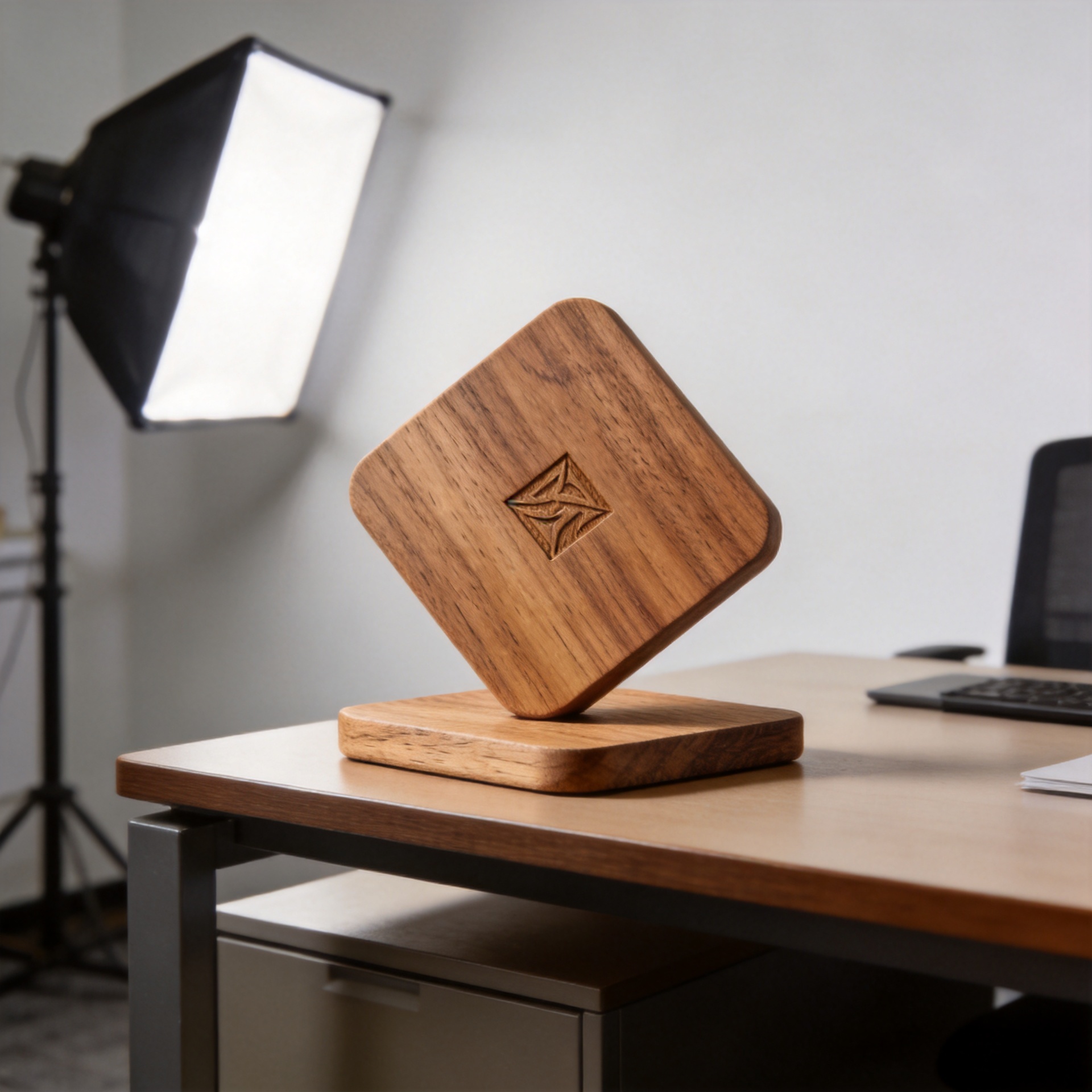
A wooden display stand is a fixture that raises, groups, or frames merchandise so shoppers can notice it, understand it, and handle it more easily. It can be a small riser beside a cash desk, a tiered unit on a retail shelf, a freestanding fixture at an event, or a simple platform used in a home or hospitality setting. In practical terms, a wooden display stand turns loose items into a deliberate presentation.
For a retail buyer, the question is rarely whether a stand looks attractive on its own. The useful question is: what should this wooden display stand help customers see, compare, reach, or remember? The answer determines the right height, footprint, finish, and configuration.
The core purpose: make products easier to notice and shop
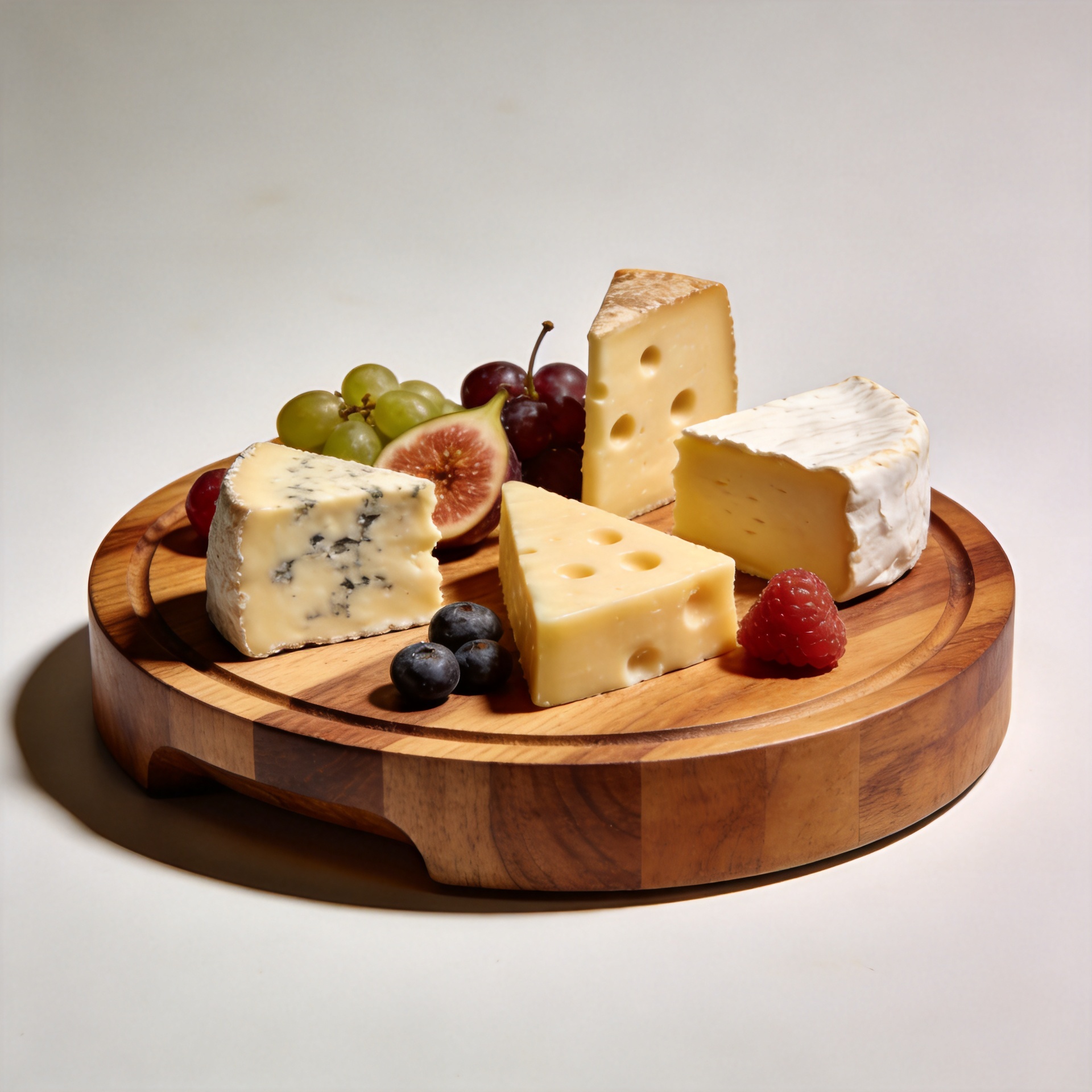
At its simplest, a wooden display stand gives merchandise visual priority. Elevating a candle, serving piece, packaged food item, cosmetic, or small gift separates it from the surrounding surface and creates a clearer focal point. On a busy shelf or counter, that small change can make a collection feel organized rather than crowded.
A product display stand also helps create useful sight lines. A low riser may bring a product forward without blocking what sits behind it, while a stepped format can show several sizes or colors at once. This is why a wooden display stand is often used in visual merchandising: it supports product visibility while preserving a natural, tactile presentation.
Common uses in retail and commercial spaces
Countertop launches and impulse areas
A countertop stand is useful near checkout points, tasting stations, information desks, and service counters. It can hold compact items that benefit from a short explanation or easy pickup, such as accessories, seasonal gifts, samples, or packaged add-ons. A well-proportioned wooden display stand keeps the assortment contained without making the counter feel like storage.
Tiered presentation for small assortments
When products are similar in size, a tiered wooden display stand makes every row visible. This works for jars, bottles, small boxes, stationery, jewelry, soaps, and food-service accessories. Instead of placing items in one flat row, the stand creates layers that customers can scan quickly. The goal is not to fit the greatest possible number of units onto the fixture; it is to make the selected units easy to recognize.
Storytelling and brand cohesion
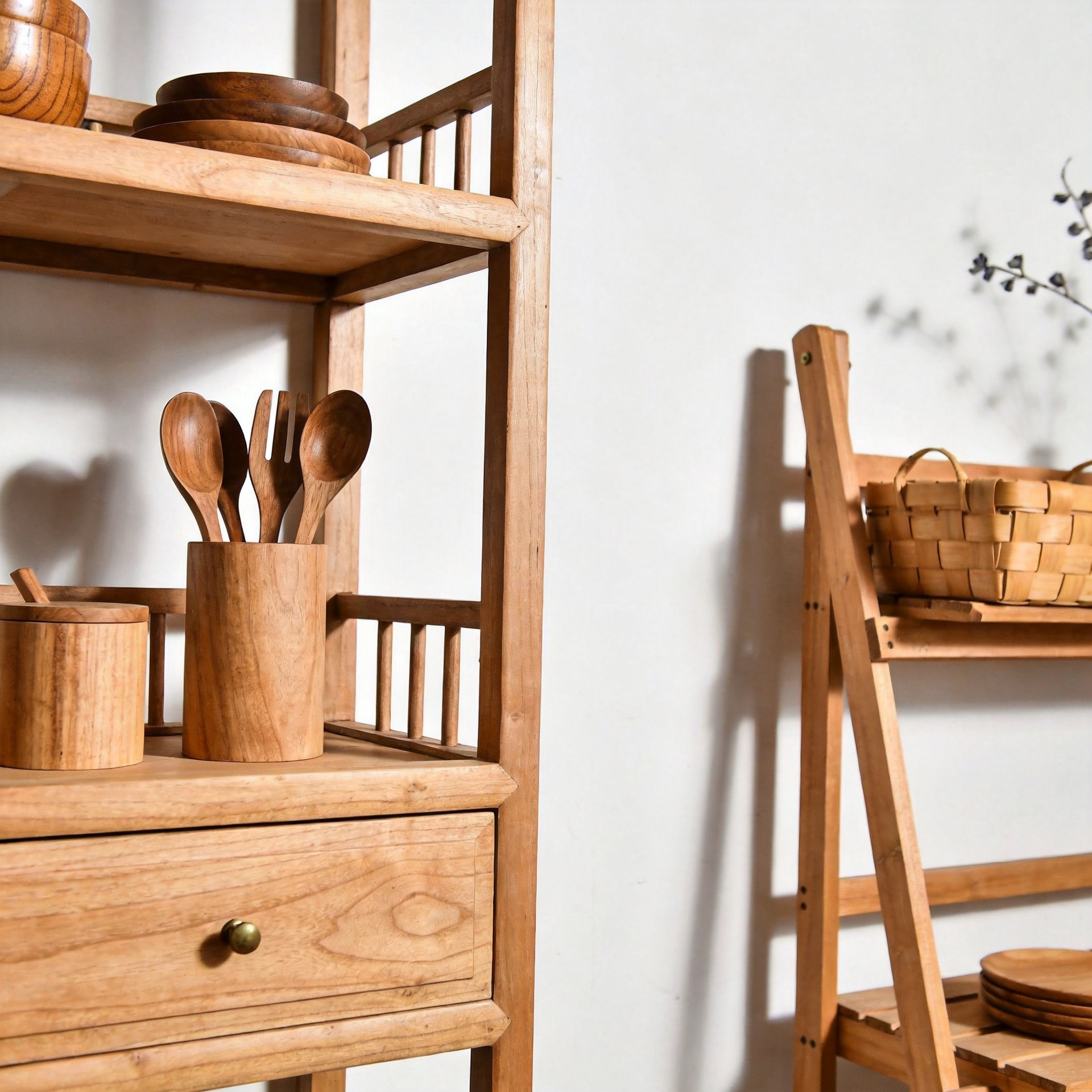
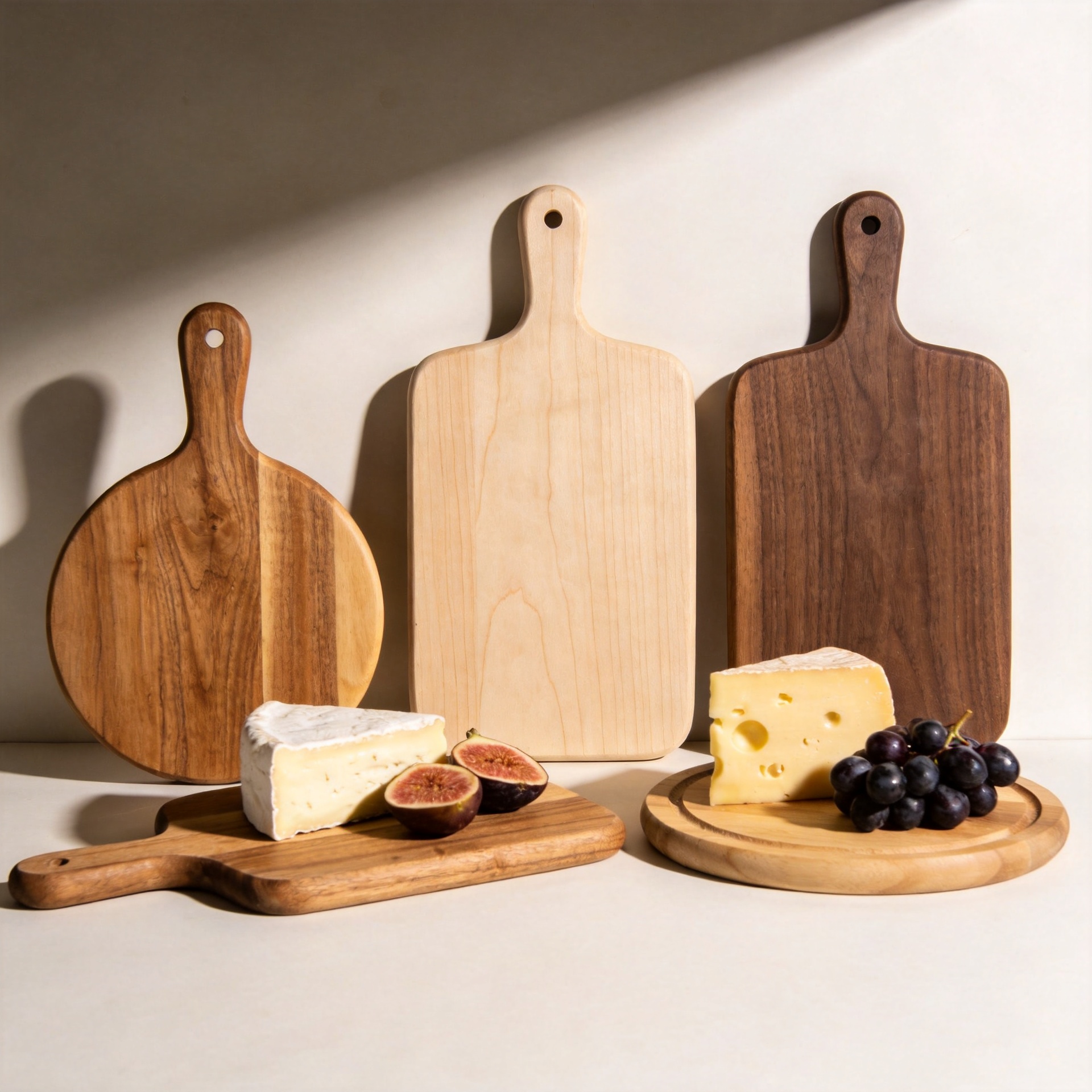
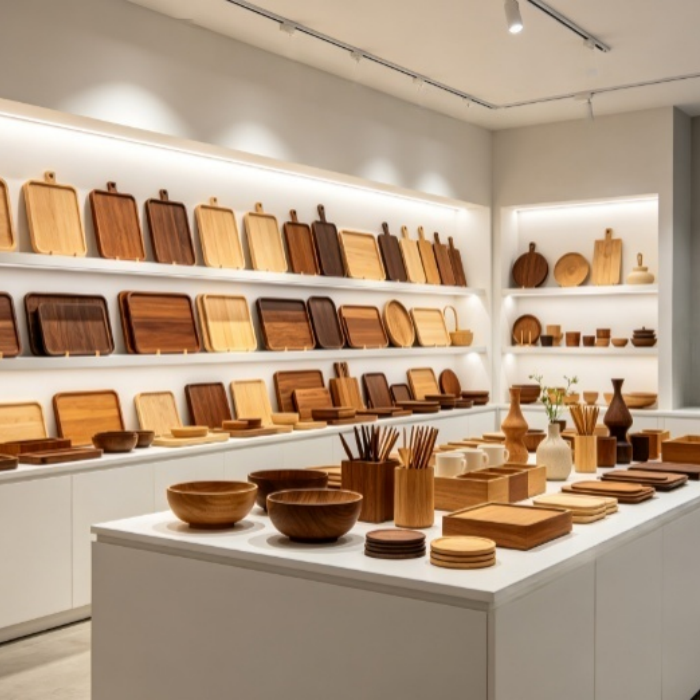
Wood has a warm, natural surface that can support a handmade, premium, rustic, or organic-modern retail setting. A retail display made with wood can connect products that might otherwise look unrelated, especially when a buyer is building a coordinated home-goods or kitchenware collection. For companies with wooden kitchenware, storage, and furniture categories, a wooden display stand can help create a consistent material story across the range.
Sampling, demonstrations, and product education
Some items need more than a price label. A wooden display stand can create a designated place for a sample, a demonstration item, care instructions, or a short product comparison. In this role, the stand supports interaction rather than decoration. It gives staff and customers a clear place to start a conversation and can keep demonstration pieces separate from saleable stock.
Where else can a wooden display stand be used?
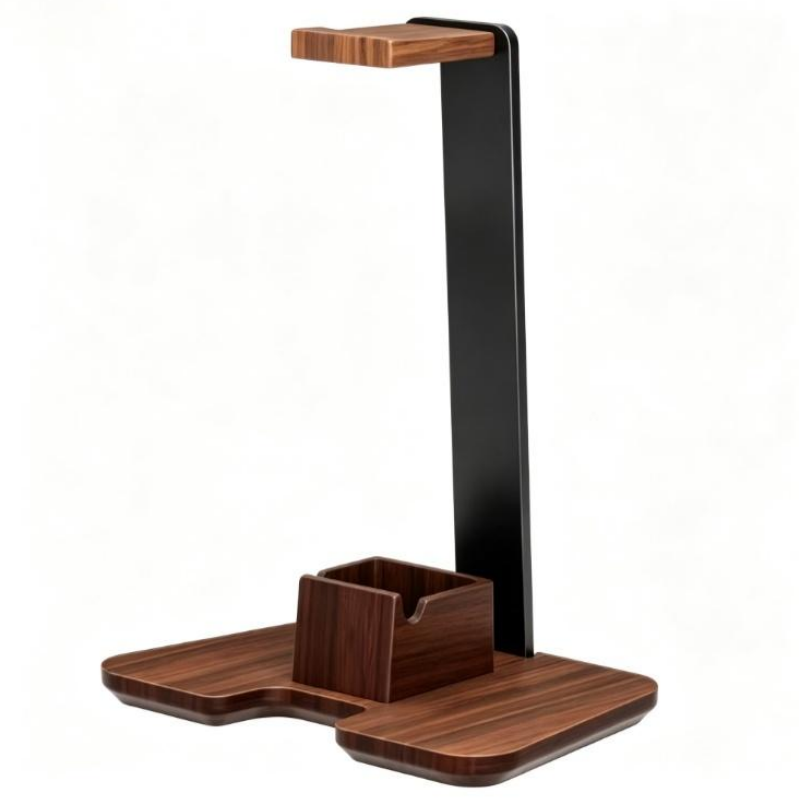
The same basic function applies beyond standard shops. At trade shows, a wooden display stand can lift selected samples above a tabletop and make a small booth feel more structured. In cafés, restaurants, or hotels, it may present pastries, packaged goods, menus, room amenities, or tabletop accessories. At home, a wooden display stand can organize spices, plants, collectibles, toiletries, or serving pieces while making them easier to access.
A wood display rack is the broader version of this idea. It is usually larger or more storage-oriented, and it may hold merchandise over several shelves. A display stand is generally more focused: it gives a chosen group of products prominence. Both can be useful, but their jobs are different. Use a rack when capacity and replenishment matter most; use a wooden display stand when a curated presentation matters most.
How to choose the right format
There is no universally right wooden display stand for every retail display. Match the fixture to the merchandise and the customer action you want to encourage.
- Choose height for visibility: A low stand can define a group without obstructing sight lines. A taller stand may work for a focal product but should not hide labels or adjacent stock.
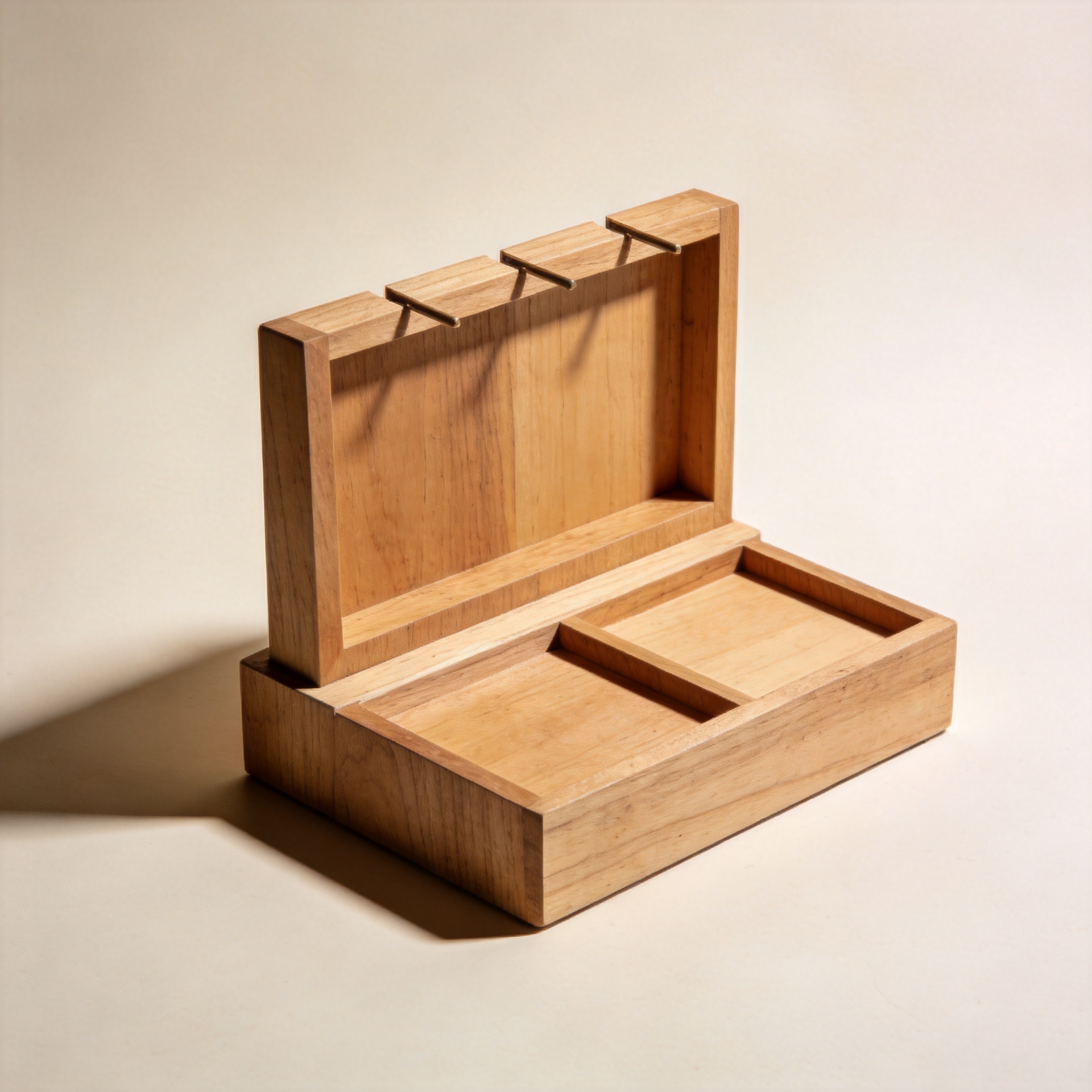
- Match the surface to the product: Flat bases suit trays, boxed items, and display samples. Grooves, pegs, or divided sections can make a product display stand more stable for bottles, cards, or small accessories.
- Plan for handling: If customers should pick up the item, leave enough clearance around it. A countertop stand that is too tight or too tall can make interaction awkward.
- Check stability and finish: The stand should sit flat, support the intended load, and have edges and surfaces appropriate for its setting. For food-contact or regulated use, confirm the relevant specifications and documentation rather than assuming a finish is suitable.
- Consider replenishment: A retail display that looks strong only when fully styled may be difficult to maintain during a busy day. Use a wooden display stand that staff can refill without dismantling the presentation.
Appearance matters, but function decides long-term value
In a shelf display context, a natural grain or warm finish may look distinctive in isolation but become less visible next to lighter packaging or competing fixtures. That does not make the design wrong; it means the wooden display stand should be evaluated in its actual location, with real products and lighting. Product size, label direction, customer reach, and restocking all influence whether the display performs as intended.
A general-purpose wooden display stand can work across many categories, but it may not present a specialized product as effectively as a format designed around that item. Before choosing, ask: Is this stand meant to increase discovery, make comparison easier, tell a material story, or support a demonstration? A clear answer prevents a visually appealing fixture from becoming an impractical one.
Final takeaway
A wooden display stand is used to elevate products, organize an assortment, invite interaction, and make a retail or hospitality setting feel intentional. Whether it is a small countertop stand, a tiered product display stand, or part of a larger wood display rack, its value comes from how well it connects product, space, and shopper behavior. Choose the format around the merchandise and the task it needs to perform, not simply around appearance.