Small Wooden Spatula Wholesale | Custom OEM Options

Welcome to our store!Black Friday Sale!

showlist/small-wooden-spatula, showlist/small-wooden-spatula, 
Inquiry
Inquiry
Customer Reviews for Small Wooden Spatulas

Customer Reviews for Small Wooden Spatulas

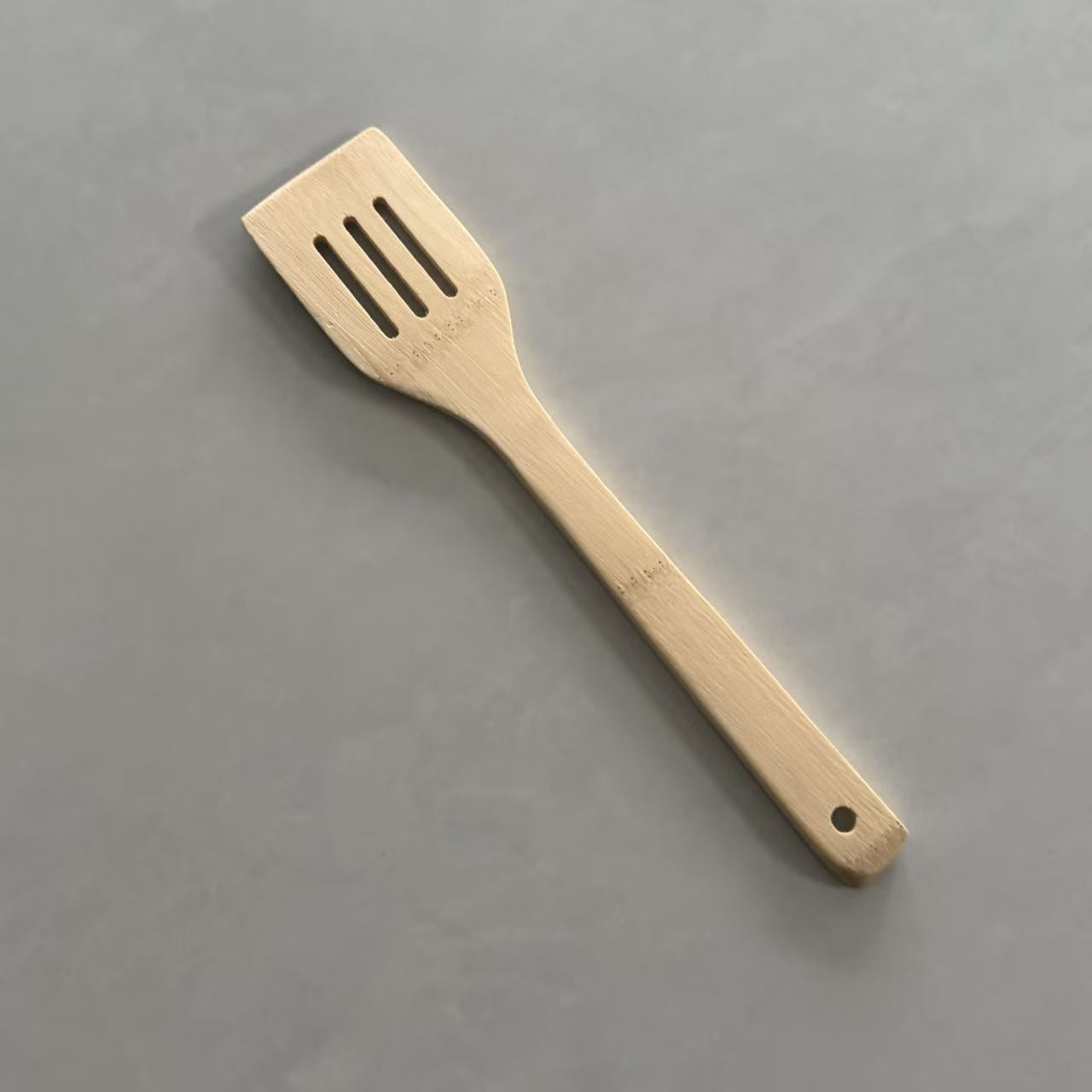
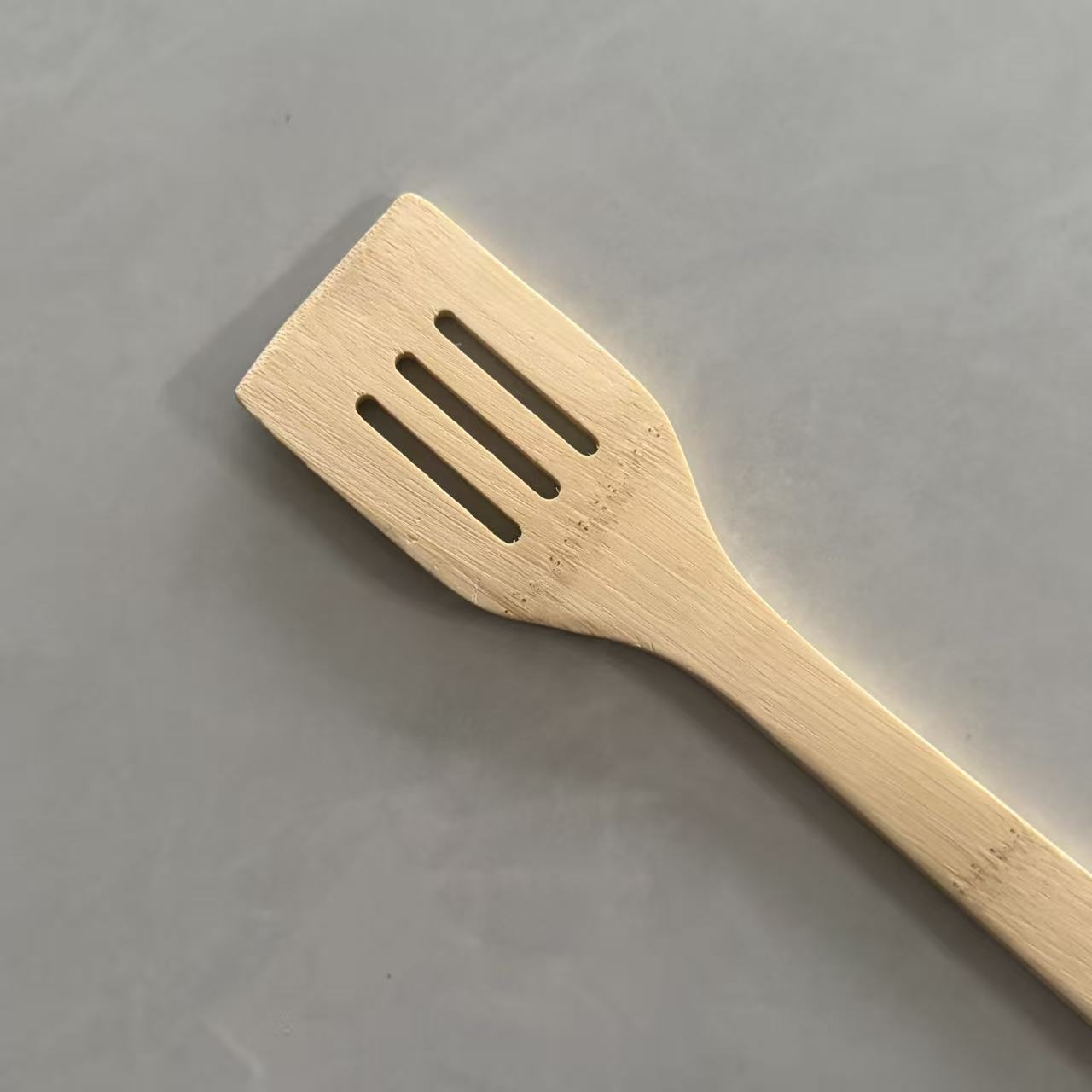
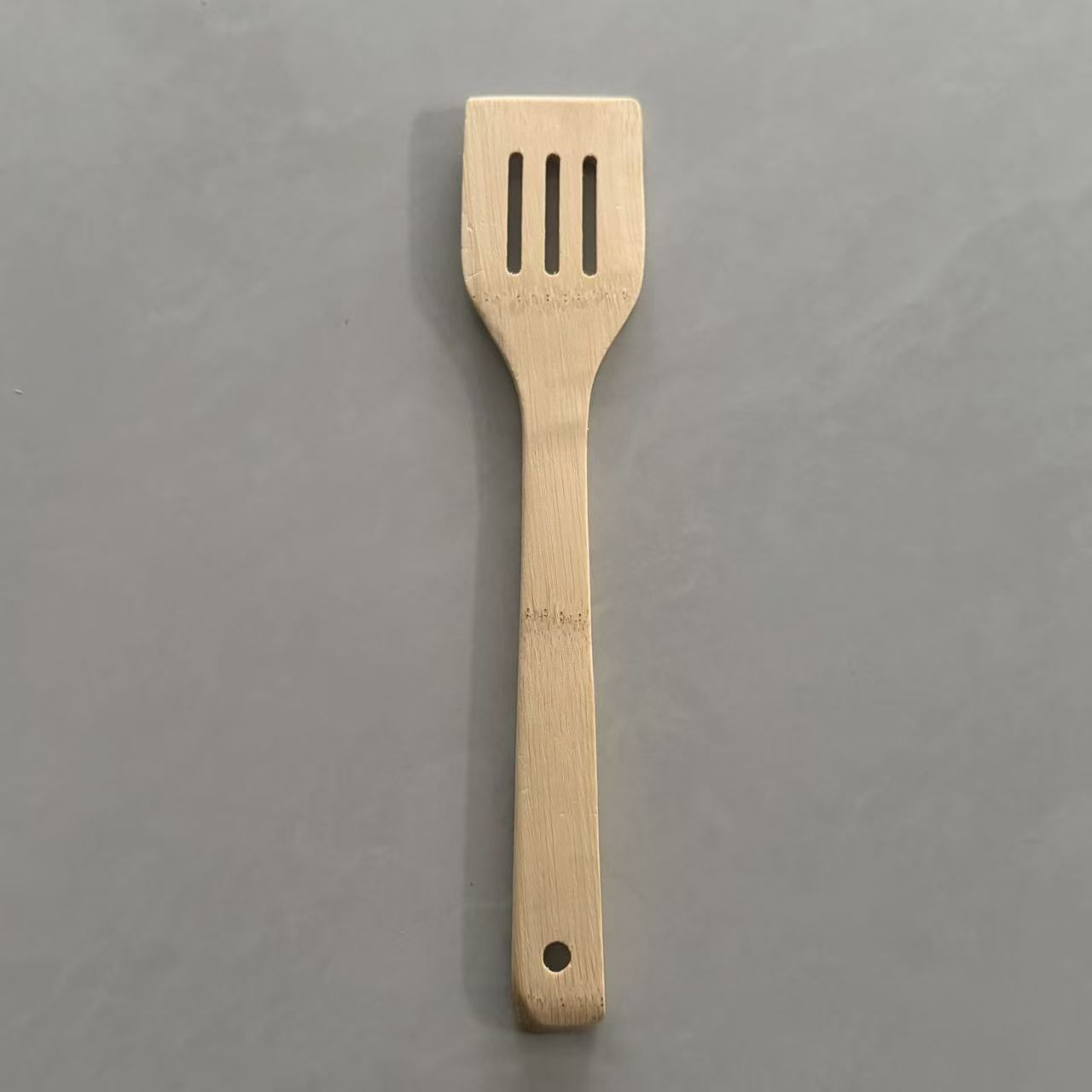
A small wooden spatula offers precise control when stirring sauces, folding ingredients, scraping mixing bowls, and preparing smaller portions. Its compact head works well in narrow containers, small saucepans, and limited countertop spaces. Compared with metal utensils, a properly finished wooden spatula is generally gentle on many nonstick cookware surfaces. Woodenky can discuss customized dimensions, wood options, handle profiles, surface finishes, and branding for wholesale buyers. Retailers can include these compact utensils in cooking sets alongside wooden spoons, cutting boards, and serving accessories. For distributors and private-label brands, coordinated specifications and packaging help create a consistent product range suited to home cooks, specialty kitchenware stores, and culinary gift collections.
Get A Quote

Case Study

Compact Utensils for Homeware Retailers

A kitchenware retailer wanted compact utensils that would complement its existing wooden cooking accessories. Small wooden spatulas offered a practical solution for customers preparing sauces, mixing small quantities, and scraping ingredients from bowls. The buyer prioritized comfortable handles, smooth edges, and dimensions suitable for everyday kitchen drawers. Coordinating the spatulas with wooden spoons and cutting boards helped create a consistent natural-material collection. For retailers, compact tools can provide a useful addition to individual utensil sales or bundled kitchenware sets. Customized finishes, packaging, and branding can further distinguish the assortment while maintaining the straightforward functionality customers expect from everyday cooking tools.

Small Spatulas for Cafés and Culinary Preparation

A café supply distributor sought smaller utensils for food preparation stations where workspace was limited. Compact wooden spatulas were considered for stirring sauces, handling soft ingredients, and scraping small preparation bowls. The purchasing team evaluated handle comfort, edge shape, surface smoothness, and cleaning requirements before selecting a suitable specification. Smaller tools can be convenient for portion preparation, although the appropriate design depends on the ingredients and working conditions. For hospitality suppliers, consistent dimensions and clearly defined material specifications help simplify product selection. Sample evaluation and agreed quality checks support purchasing decisions before larger orders are confirmed.

Private-Label Cooking Utensil Collections

A private-label homeware brand planned to expand its wooden utensil range with a compact spatula designed for everyday cooking. The development process focused on head proportions, handle length, wood appearance, and packaging presentation. The brand wanted a design that complemented its existing spoons and kitchen accessories without introducing unnecessary visual differences. Customized branding provided an opportunity to maintain a recognizable product identity across the collection. For importers and online retailers, coordinated products can support bundled offerings and cross-category merchandising. Confirming samples, material details, order quantities, and inspection requirements before production helps align the finished utensils with the brand's commercial expectations.

A small wooden spatula is a practical addition to kitchens where precise handling matters. Its compact head can help stir sauces, scrape ingredients from small bowls, fold mixtures, and work around the edges of smaller cookware. Depending on the shape, it can also assist with spreading soft ingredients and transferring prepared mixtures. Selecting the right head profile and handle length helps match the utensil to its intended tasks. Wood selection influences appearance, weight, and everyday performance. Smooth shaping and careful sanding help create comfortable handles and clean working edges. A suitable finish should be selected according to the intended application and relevant food-contact requirements. Woodenky develops wooden kitchenware for wholesalers, retailers, and private-label brands. Buyers can discuss custom dimensions, wood options, surface treatments, logo placement, and packaging. Production considerations include material preparation, shaping, sanding, and finish inspection. Retailers may pair small spatulas with wooden spoons, cutting boards, and other utensils to build coordinated kitchenware collections. Before ordering, buyers should confirm samples, specifications, minimum quantities, and lead times to ensure the product fits their target market.

Frequently Asked Questions

What are small wooden spatulas best used for?

Small wooden spatulas are useful for stirring sauces, scraping small mixing bowls, folding ingredients, and preparing smaller portions. Their compact size provides control in narrow containers and smaller cookware. The best head shape depends on whether the primary task involves stirring, scraping, mixing, or spreading.
Woodenky can discuss customization options for wholesale and private-label projects. Buyers can specify preferred dimensions, handle styles, wood appearance, finishes, and branding requirements. Confirm available designs, minimum order quantities, packaging options, sample approval procedures, and lead times before placing an order.
Properly finished wooden spatulas are generally gentle on many nonstick surfaces during normal use. Avoid using utensils with rough edges, splinters, or damage that could scratch coatings. Inspect the utensil regularly and follow the cookware manufacturer's instructions for appropriate utensil materials.
Wash wooden spatulas by hand with mild dish soap and warm water, then dry them promptly. Avoid prolonged soaking and dishwasher cycles, which may contribute to cracking or warping. Follow the manufacturer's care instructions and use a suitable maintenance oil only when recommended for the specific wood and finish.
Buyers should evaluate head dimensions, handle comfort, wood consistency, surface smoothness, finish suitability, and packaging requirements. For wholesale orders, confirm branding options, minimum quantities, inspection standards, and delivery schedules. Reviewing a sample before production helps verify the design and quality against the agreed specifications.

Related article

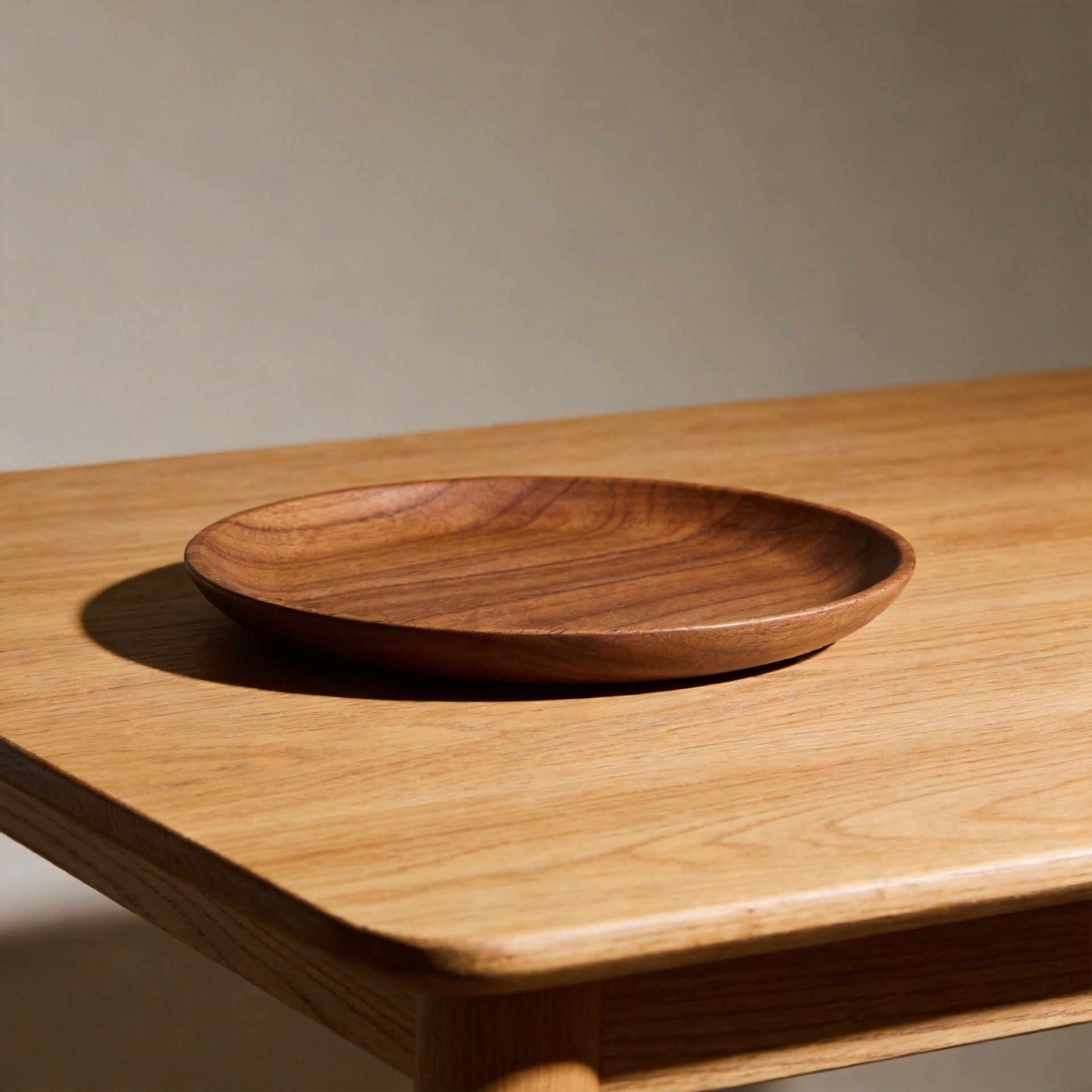
What Factors Determine the Quality of a Wooden Dinner Plate?

27

Oct

What Factors Determine the Quality of a Wooden Dinner Plate?

Learn what determines Wooden dinner plate quality, from wood grain and plate thickness to food grade finish checks and supplier QC.
View More
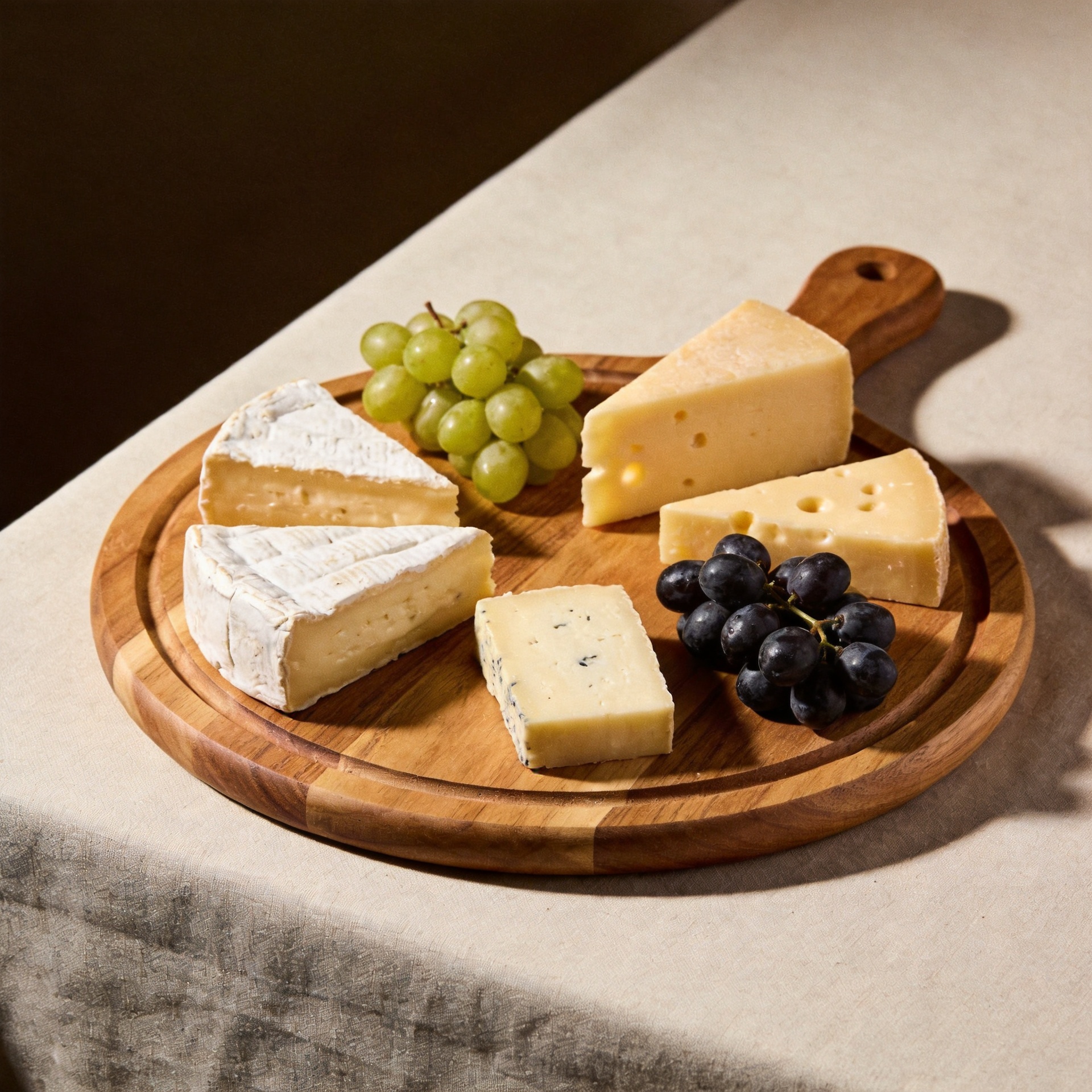
What Features Should Buyers Consider in a Wooden Cheese Board?

27

Oct

What Features Should Buyers Consider in a Wooden Cheese Board?

Compare Wooden cheese board features buyers need: material, finish, serving design, food-contact checks, packaging, and quality control.
View More
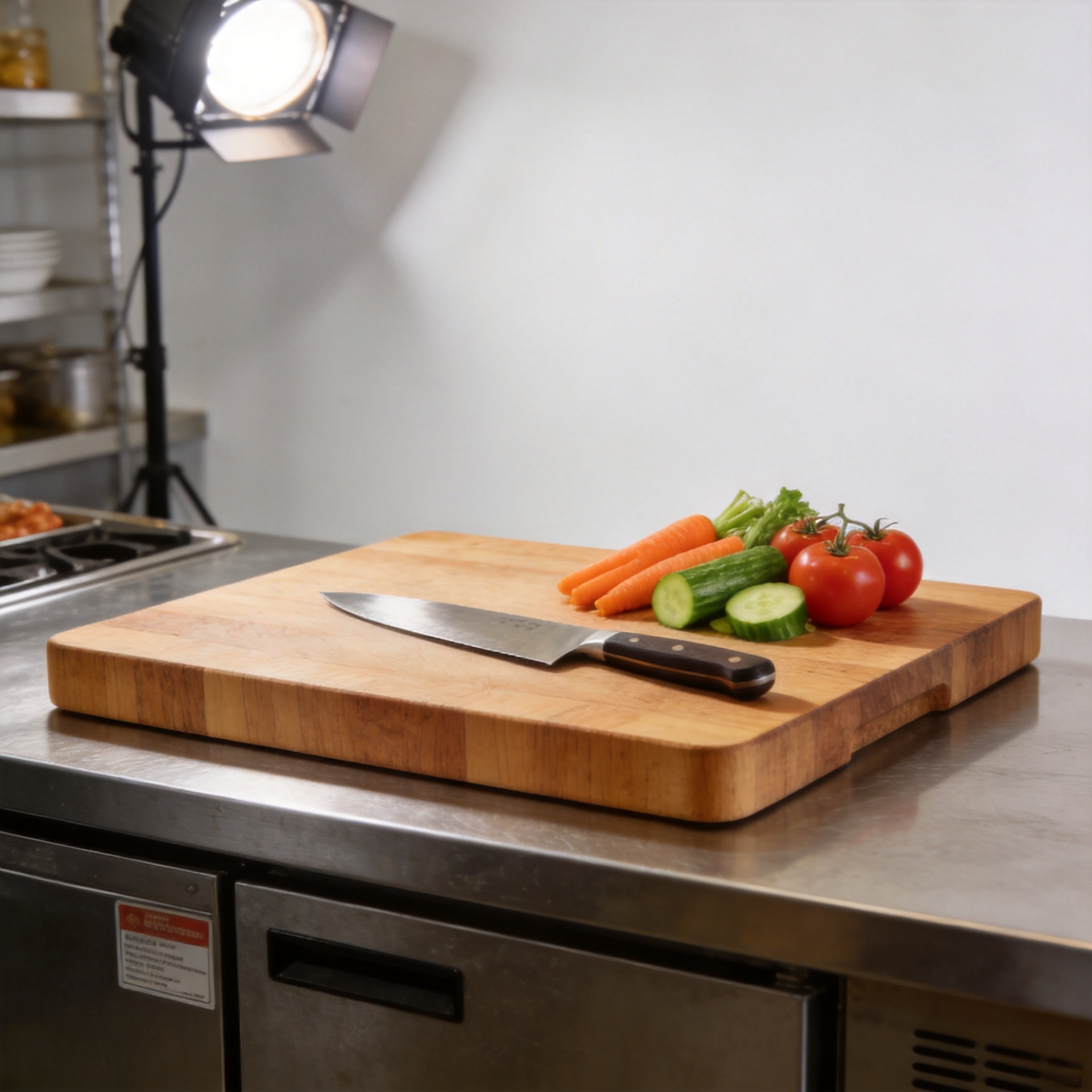
Why Do Professional Kitchens Use Wooden Chopping Boards?

27

Oct

Why Do Professional Kitchens Use Wooden Chopping Boards?

Why professional kitchens choose a wooden chopping board for controlled prep, hygiene routines, durability, and purchasing decisions.
View More
Why Are Wooden Cheese Boards Popular in Hospitality?

28

Oct

Why Are Wooden Cheese Boards Popular in Hospitality?

Discover why a wooden cheese board helps restaurants, hotels, and caterers elevate food presentation with practical buying guidance.
View More

Customer Testimonials

James Wilson

Our small wooden spatulas fit perfectly into our kitchenware collection. Their compact size, smooth finish, and comfortable handles make them practical for stirring sauces and preparing smaller portions.

Emily Carter

We selected small wooden spatulas for our cooking utensil range. Their natural appearance and space-saving design complemented our wooden spoons, cutting boards, and other everyday kitchen accessories.

Get a Free Quote

Our representative will contact you soon.
0/1000
Compact Designs for Greater Cooking Control

Compact Designs for Greater Cooking Control

Small wooden spatulas are especially useful when a full-size utensil feels cumbersome. Their compact heads can reach into smaller bowls, stir limited quantities of sauce, and help scrape mixtures from container sides. Handle length and edge shape influence how easily users can maneuver the tool, so these details deserve attention during product development. Woodenky can discuss dimensions and design preferences for different applications, from household cooking to specialty kitchenware collections. Retailers can offer compact spatulas individually or combine them with wooden spoons and other preparation tools. By selecting complementary shapes and consistent finishes, businesses can create a coherent assortment that addresses practical cooking needs without sacrificing natural visual appeal.
Natural Materials for Coordinated Kitchenware Collections

Natural Materials for Coordinated Kitchenware Collections

A small wooden spatula can complement a broader kitchenware range through consistent materials, finishes, and styling. Natural grain gives wooden utensils an individual appearance, while carefully sanded surfaces contribute to comfortable handling. Buyers can discuss wood options, surface treatments, handle proportions, and packaging to match their product positioning. A coordinated range might include small spatulas, cooking spoons, serving tools, and cutting boards for retail shelves or online bundles. Before confirming production, businesses should verify the finish, intended food-contact suitability, cleaning guidance, and agreed quality standards. These details help ensure that product presentation aligns with practical use and the expectations of international wholesale customers.