Wooden Storage Crates for Retail & Warehouses Bulk OEM

Welcome to our store!Black Friday Sale!

showlist/wooden-storage-crates, showlist/wooden-storage-crates, 
Inquiry
Inquiry
Customer Experiences With Wooden Storage Crates

Customer Experiences With Wooden Storage Crates

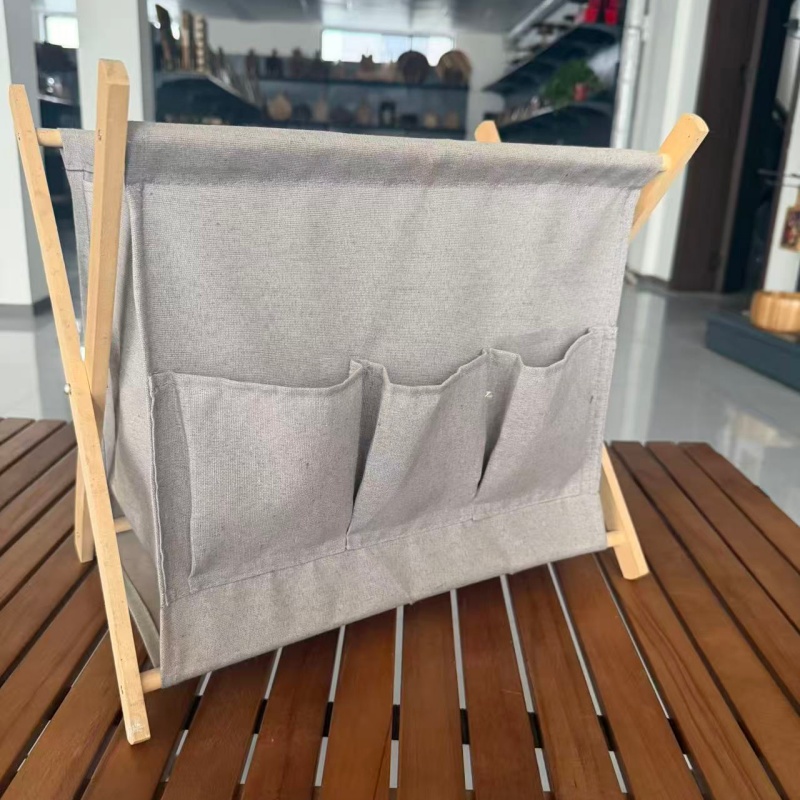
Wooden storage crates provide practical organization, accessible storage, and a natural appearance for homes, warehouses, retail stores, workshops, and gardens. Their open or slatted construction allows users to identify stored items quickly, while solid-sided designs offer additional containment for selected products. Different dimensions and load capacities support applications ranging from household accessories and packaged goods to tools and supplies. Buyers can choose suitable wood materials, handle openings, surface finishes, and stacking configurations according to operational requirements. For wholesalers, retailers, and private-label businesses, customized dimensions and branded details help create coordinated product ranges. Selecting appropriate construction, smooth edges, and suitable packaging supports safe handling and reliable performance.
Get A Quote

Case Study

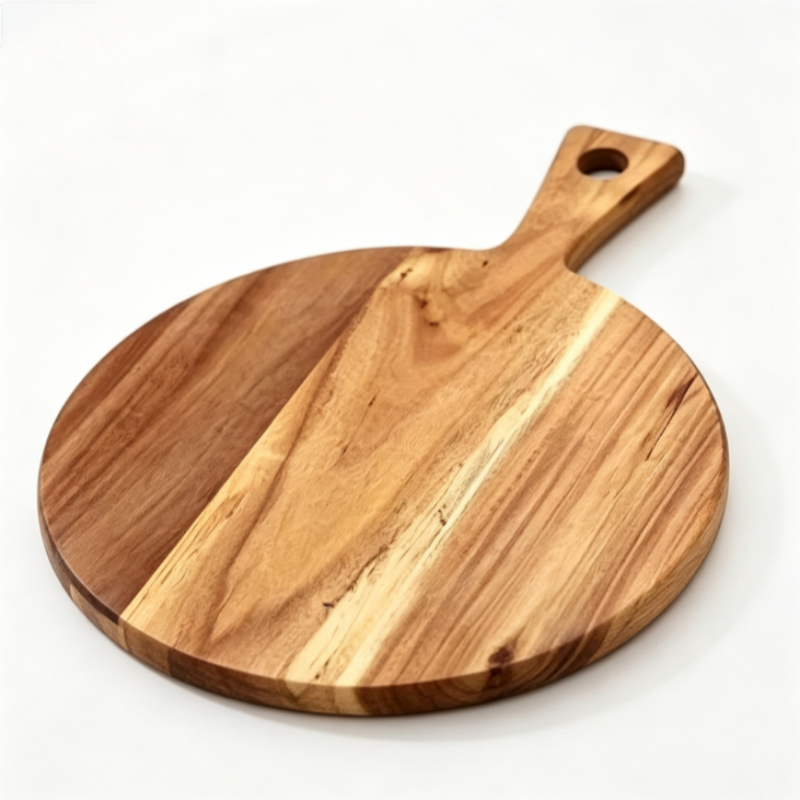
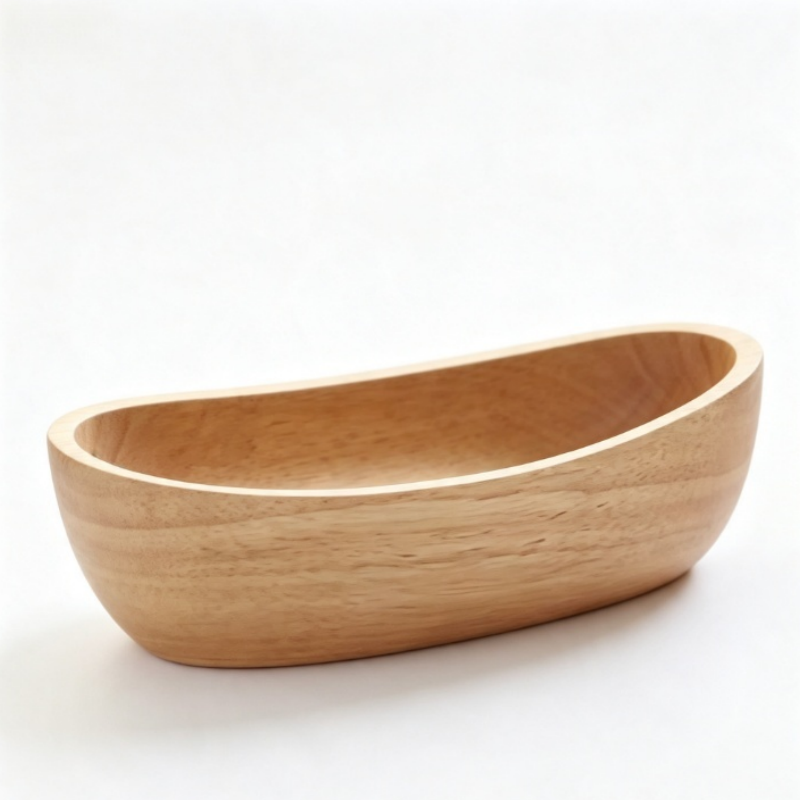
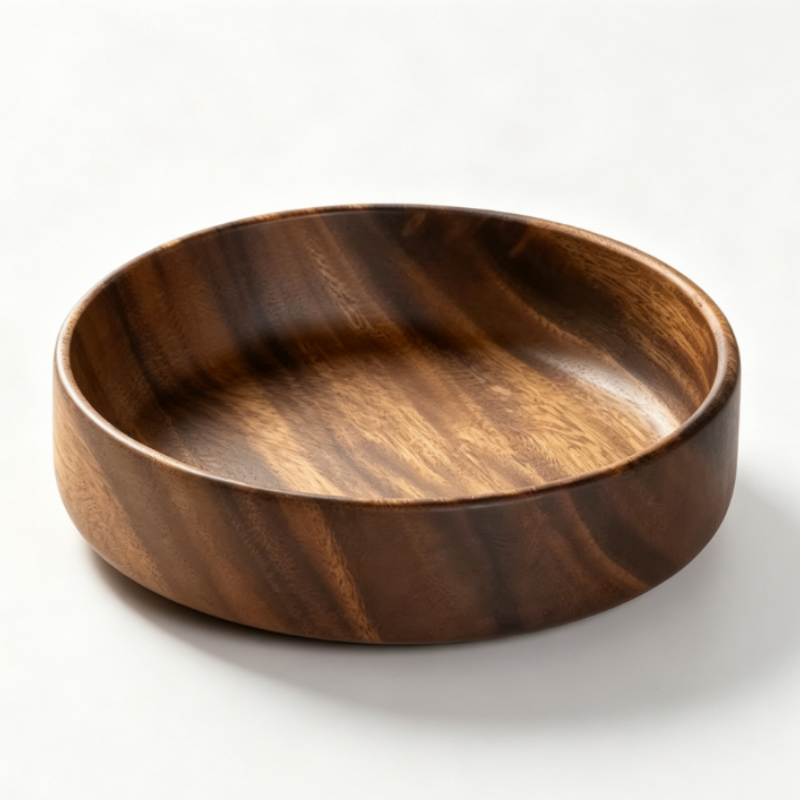
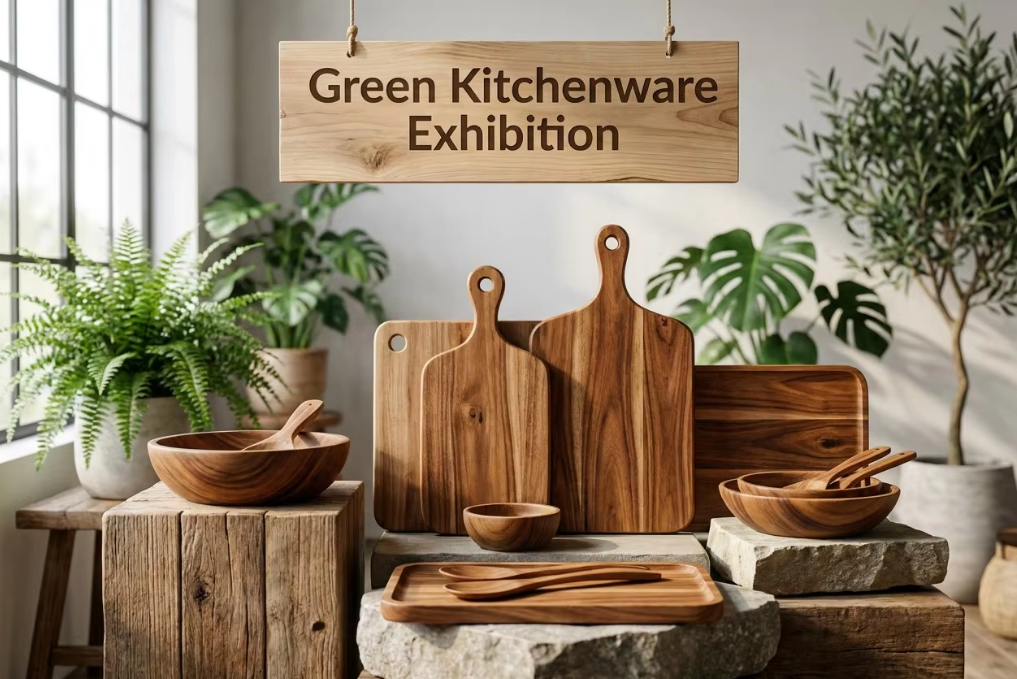
A broad wood goods range can help a buyer plan storage, table, and decor items in one group.

Wooden Storage Crates for Retail Displays

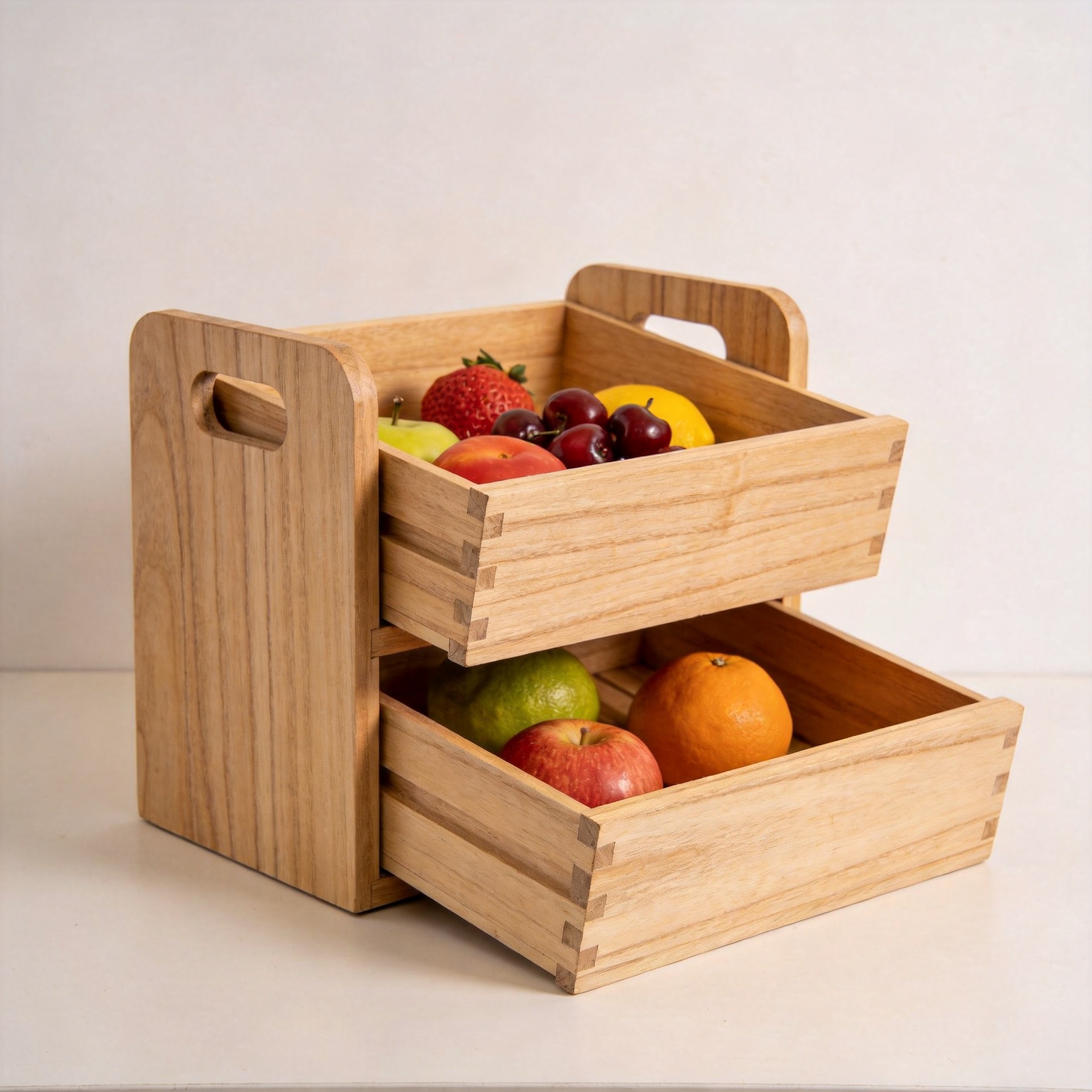
Retailers and merchandising suppliers can use wooden storage crates to organize packaged products, accessories, and promotional merchandise. Their natural appearance suits farm shops, boutiques, homeware stores, and specialty markets seeking a rustic or contemporary display style. For example, a store can arrange three different crate sizes on shelving to separate small accessories, boxed products, and seasonal merchandise. Open sides make stock identification convenient, while reinforced corners and appropriate construction help support routine handling. Buyers should confirm crate dimensions, expected loading, surface smoothness, and stacking stability before selecting a design. These features help businesses combine practical inventory organization with attractive product presentation across changing retail displays.

Wooden Storage Crates for Warehouses and Workshops

Workshops, stockrooms, and small distribution facilities can use wooden storage crates to organize tools, components, packaging materials, and maintenance supplies. Standardized crate dimensions can simplify shelving arrangements and help staff identify frequently used items. For example, a workshop may assign separate crates to fasteners, hand tools, and replacement parts, reducing time spent searching for supplies. Buyers should assess load capacity, joint strength, handling requirements, and compatibility with available shelving or material-handling equipment. Crates intended for repeated movement may benefit from reinforced construction and carefully finished edges. Selecting the right design helps businesses maintain organized work areas and adapt storage capacity to changing operational needs.

Wooden Storage Crates for Home and Garden Organization

Homeware retailers and garden suppliers can offer wooden storage crates for organizing books, blankets, plant pots, gardening tools, and household accessories. Compact crates fit shelves and countertops, while larger formats can accommodate bulky supplies in utility rooms or sheds. For example, a homeowner may use separate crates for gardening gloves, hand tools, and seed packets to keep frequently used items together. Buyers should consider wood treatment, ventilation, moisture exposure, and intended loading when choosing products for outdoor environments. Smooth surfaces and convenient handholds can improve everyday handling. These versatile crates provide reusable storage while complementing rustic interiors, garden settings, and practical household organization systems.
Flexible Crate Designs for Different Storage Requirements

Flexible Crate Designs for Different Storage Requirements

Different storage environments require different crate dimensions, side structures, and handling features. Wooden storage crates can be designed with open slats for visibility, solid sides for containment, or reinforced corners for repeated handling. For example, a retailer may use shallow crates for small packaged accessories and deeper versions for larger merchandise, creating a coordinated storage arrangement. Buyers should consider item dimensions, expected loading, available shelving, and frequency of movement before choosing a configuration. Smooth edges and practical handholds can also improve handling. Reviewing a sample helps verify the crate's fit and construction quality. Matching the design to its intended task supports more organized storage and efficient product access.
Material Quality for Reliable Everyday Handling

Material Quality for Reliable Everyday Handling

The performance of a wooden storage crate depends on its materials, construction, and intended working conditions. Appropriate wood thickness, secure joints, stable corners, and carefully finished surfaces contribute to practical everyday use. For example, a workshop storing metal components may need stronger construction than a household crate used for lightweight accessories. Buyers should evaluate expected load, handling frequency, moisture exposure, and compatibility with shelving systems. Outdoor applications may require suitable wood treatment and maintenance, while indoor storage can prioritize appearance and easy cleaning. Confirming load limits and inspecting samples before bulk purchasing helps clarify product suitability. These considerations support informed selection for retail, workshop, and general storage applications.

Wooden storage crates offer a flexible solution for organizing, transporting, and displaying a wide range of products. They are used in retail merchandising, workshops, warehouses, home organization, gardening, and selected agricultural applications. Depending on their intended purpose, crates can feature open slats, solid sides, reinforced corners, handholds, or stackable structures. Material selection and construction determine strength, weight, appearance, and suitability for different environments. Buyers should evaluate wood thickness, joint quality, load capacity, edge finishing, and resistance to expected handling conditions. Untreated wood may be suitable for certain indoor applications, while outdoor use may require appropriate treatment and regular maintenance. Ventilation and drainage should also be considered when storing items sensitive to moisture. For wholesalers, distributors, and private-label brands, customization may include dimensions, wood finishes, handle designs, and branded markings, subject to manufacturing capabilities. Before placing bulk orders, confirm product specifications, sample approval, minimum order quantities, packaging, and delivery schedules. Clear requirements help businesses select crates that support organized storage, efficient handling, and consistent presentation across commercial and residential applications.

Customer Testimonials

Short answers for buyers who compare wood storage and display formats.

What are wooden storage crates commonly used for?

Wooden storage crates are suitable for organizing packaged goods, workshop components, gardening supplies, household accessories, and retail merchandise. Open designs provide quick visibility and access, while solid-sided versions help contain smaller items. Select crate dimensions, construction, and load capacity according to the intended application.
Yes, customization may include dimensions, wood materials, side designs, handle openings, finishes, and branded markings. Available options depend on the manufacturer's production capabilities and order quantities. Provide detailed specifications and request a sample to verify dimensions, workmanship, and suitability before approving bulk production.
Load capacity depends on wood species, material thickness, joint construction, crate dimensions, and how weight is distributed. There is no universal capacity for all wooden crates. Ask the supplier for a rated load limit and test the selected design under appropriate conditions before regular use.
Some wooden crates can be used outdoors, but suitability depends on timber selection, protective treatment, drainage, and exposure to rain and sunlight. Untreated wood may deteriorate more quickly in damp conditions. Confirm the manufacturer's recommendations and maintain the crate according to the intended environment.
Some wooden crates are designed for stacking, but safe stacking depends on their construction, load distribution, and stability. Check whether the design includes suitable support surfaces and confirm the manufacturer's stacking guidance. Avoid exceeding stated load limits or stacking crates on uneven surfaces where movement could occur.

Related article

Sustainable Wooden Kitchenware Wholesale | WoodCraft Global

09

Sep

Sustainable Wooden Kitchenware Wholesale | WoodCraft Global

Source certified sustainable wooden kitchenware from Caoxian Kangyi. 99% FSC timber, FDA/LFGB compliant eco-friendly kitchenware manufacturing.
View More
Wooden Bowl vs Ceramic Bowl: Which Is Better for Everyday Use?

27

Oct

Wooden Bowl vs Ceramic Bowl: Which Is Better for Everyday Use?

Wooden bowl or ceramic? Compare care, durability, heat, and serving use to choose the best everyday bowl for your kitchen.
View More
Why Are Wooden Cooking Utensil Sets Popular in Modern Kitchens?

27

Oct

Why Are Wooden Cooking Utensil Sets Popular in Modern Kitchens?

Discover why a Wooden cooking utensil set suits modern kitchens, from cookware-friendly use to natural style and practical care.
View More
What Is a Wooden Spatula Used for in Everyday Cooking?

27

Oct

What Is a Wooden Spatula Used for in Everyday Cooking?

Learn what a Wooden spatula does in everyday cooking, from stirring and flipping to pan care, cleaning, and choosing the right shape.
View More

Get a Free Quote

Our representative will contact you soon.
0/1000