Best Wooden Utensils for Cooking: Top Spatulas & Tools

Welcome to our store!Black Friday Sale!

showlist/best-wooden-utensils-for-cooking, showlist/best-wooden-utensils-for-cooking, 
Inquiry
Inquiry
Customer Experiences with Wooden Cooking Utensils

Customer Experiences with Wooden Cooking Utensils

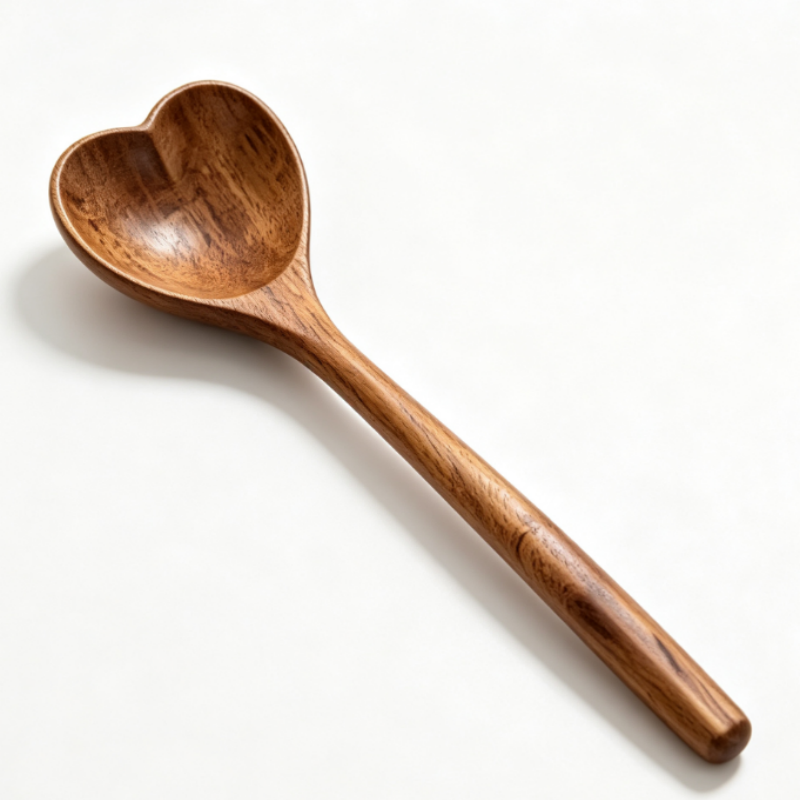
The best wooden utensils for cooking combine practical performance, comfortable handling, and timeless natural appeal. Wooden spoons, spatulas, turners, and slotted utensils support everyday tasks such as stirring sauces, folding ingredients, sautéing vegetables, and serving prepared dishes. Their nonmetallic surfaces are suitable for many cookware types, including coated pans that require careful handling. For retailers, kitchenware distributors, and private-label brands, a coordinated wooden utensil collection offers opportunities to serve home cooks, gift buyers, and hospitality customers. Material selection, smooth finishing, balanced proportions, and consistent quality are important purchasing considerations. Choosing suitable designs helps businesses build useful, attractive product assortments for diverse cooking environments.
Get A Quote

Case Study

Everyday Wooden Spoon Collection

A kitchenware retailer developing an everyday cooking collection can combine wooden stirring spoons, mixing spoons, and serving utensils in complementary shapes and sizes. This approach helps customers select practical tools for preparing soups, sauces, vegetables, and pasta. Smoothly finished handles support comfortable use, while natural wood grain creates an inviting presentation on retail shelves. A coordinated collection can also suit housewarming gifts and seasonal promotions. Buyers should evaluate utensil dimensions, wood species, surface finish, and packaging requirements before placing bulk orders. By offering several functional designs within one collection, retailers can address different cooking preferences without relying on a single utensil style.

Wooden Spatulas for Nonstick Cookware

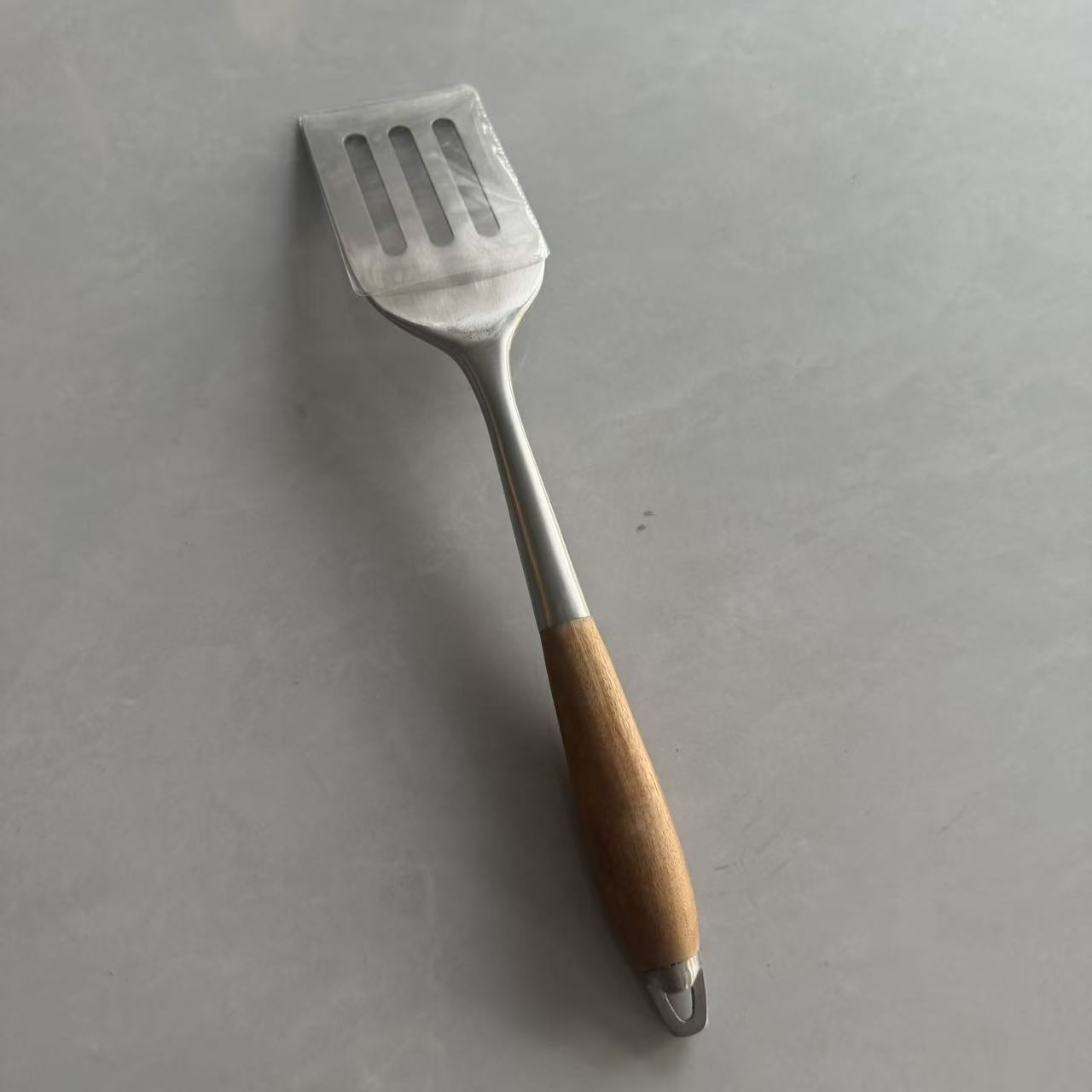
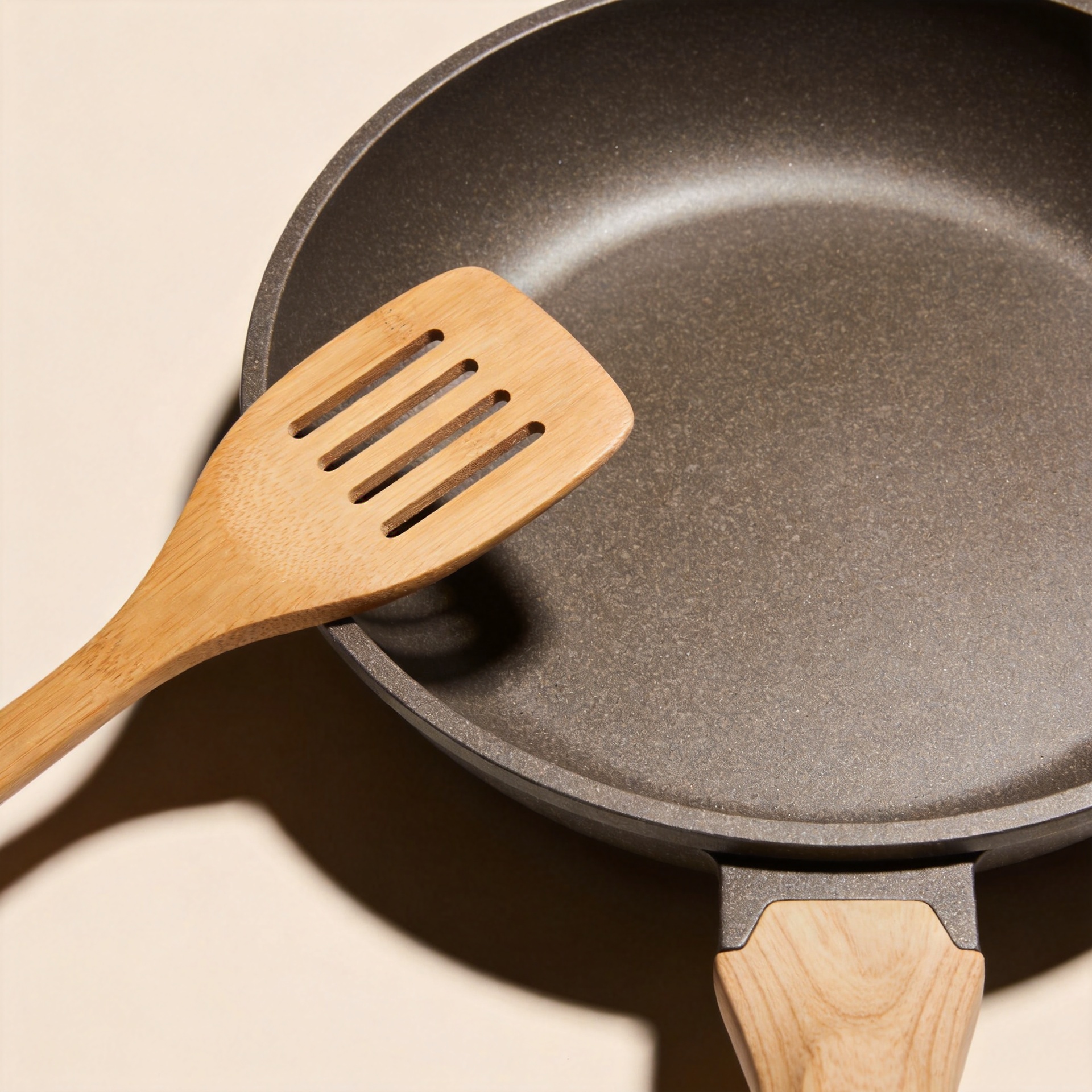
A cookware distributor seeking complementary accessories can introduce wooden spatulas and turners alongside frying pans and saucepans. These utensils help users stir ingredients, turn pancakes, and move vegetables during routine meal preparation. Their nonmetallic working surfaces can be appropriate for many coated cookware products when used according to the cookware manufacturer's care instructions. Different blade widths and handle lengths allow buyers to develop assortments for compact home kitchens, family cooking, and gift sets. For wholesale planning, consistent dimensions and finishing standards are valuable when comparing samples with production batches. Clear care instructions also help customers understand cleaning, drying, and storage requirements.

Custom Wooden Utensil Gift Sets

A private-label kitchenware brand can develop wooden utensil gift sets for home cooks, wedding registries, and seasonal retail campaigns. A practical assortment might include a stirring spoon, slotted spoon, flat spatula, and rounded serving utensil. Coordinated shapes and natural finishes create a consistent visual identity, while custom packaging can support the brand's positioning. Buyers may request logo engraving, customized dimensions, or selected packaging formats, subject to production capabilities and minimum order quantities. Before mass production, reviewing samples helps confirm handle comfort, surface smoothness, and appearance. A well-planned set combines everyday utility with presentation suitable for gifting and specialty kitchenware sales.

Wooden cooking utensils remain a practical choice for home kitchens, restaurants, kitchenware retailers, and private-label product lines. A well-designed collection can include wooden spoons, spatulas, slotted turners, salad servers, and specialty mixing tools for different preparation tasks. Product quality depends on suitable wood selection, controlled shaping, careful sanding, smooth edges, and an appropriate food-contact finish. Each detail influences handling comfort, appearance, and ease of routine maintenance. Woodenky offers a wood-product-focused platform for buyers exploring wooden kitchenware and related products. For wholesale projects, purchasers can discuss product dimensions, material preferences, finishing options, packaging, and branding requirements according to available manufacturing capabilities. Sample evaluation is recommended before confirming specifications for larger orders. When developing a utensil assortment, consider the target market, intended cooking applications, handle length, working-edge shape, and storage requirements. Wooden utensils can help reduce scratching risks on many coated pans, although care instructions should follow cookware recommendations. Hand washing and thorough drying generally help maintain wooden kitchen tools. With thoughtful product selection and consistent quality checks, businesses can build functional kitchenware collections that combine natural aesthetics with everyday usability.

Frequently Asked Questions

What Are the Best Wooden Utensils for Everyday Cooking?

The most useful options depend on your cooking habits. A wooden spoon works well for stirring soups and sauces, while a flat spatula helps turn ingredients and scrape mixing bowls. Slotted spoons assist with draining liquids. A versatile starter collection usually combines several shapes for different preparation tasks.
Wooden utensils are generally suitable for many nonstick pans because they do not have the hard metal edges associated with some cookware tools. However, users should follow the cookware manufacturer's recommendations and avoid utensils with rough, damaged, or splintered surfaces that could affect the coating.
Wash wooden cooking utensils by hand with mild dish soap and warm water, then rinse and dry them promptly with a clean towel. Avoid prolonged soaking and follow the manufacturer's care guidance. Thorough drying helps reduce moisture retention and supports the utensil's appearance and service life.
Wooden utensils may be produced from different hardwoods or other suitable wood species, depending on the intended application and manufacturing specifications. Buyers should evaluate durability, grain appearance, weight, finishing quality, and food-contact suitability. Always confirm the actual material and applicable compliance documentation with the supplier.
Customization may include utensil dimensions, shapes, surface finishes, logo engraving, and packaging, depending on the supplier's production capabilities. Retailers and importers should provide target specifications, estimated order quantities, and market requirements early. Requesting samples before bulk production helps verify appearance, dimensions, and finishing expectations.

Related article

What Features Should Buyers Consider in a Wooden Cheese Board?

27

Oct

What Features Should Buyers Consider in a Wooden Cheese Board?

Compare Wooden cheese board features buyers need: material, finish, serving design, food-contact checks, packaging, and quality control.
View More
What Wood Is Best for a Wooden Cheese Board?

27

Oct

What Wood Is Best for a Wooden Cheese Board?

Choose the best wood for a wooden cheese board with a practical buyer comparison of acacia, maple, walnut, teak, care, and retail fit.
View More
Why Are Wooden Spatulas Suitable for Nonstick Cookware?

28

Oct

Why Are Wooden Spatulas Suitable for Nonstick Cookware?

Learn why a wooden spatula suits nonstick cookware and how to choose, use, and care for it with confidence.
View More
Why Are Wooden Cheese Boards Popular in Hospitality?

28

Oct

Why Are Wooden Cheese Boards Popular in Hospitality?

Discover why a wooden cheese board helps restaurants, hotels, and caterers elevate food presentation with practical buying guidance.
View More

Customer Testimonials

James Miller

Our retail customers appreciate the smooth finish, comfortable grip, and versatile designs. The wooden spoons and spatulas perform well for everyday stirring, sautéing, and serving, making them practical additions to kitchenware collections.

Emily Carter

We selected wooden cooking utensils for our kitchenware range because of their natural appearance and functional designs. The coordinated product selection helps us develop attractive retail collections for different customer preferences.

Get a Free Quote

Our representative will contact you soon.
0/1000
Thoughtful Craftsmanship for Functional Kitchen Tools

Thoughtful Craftsmanship for Functional Kitchen Tools

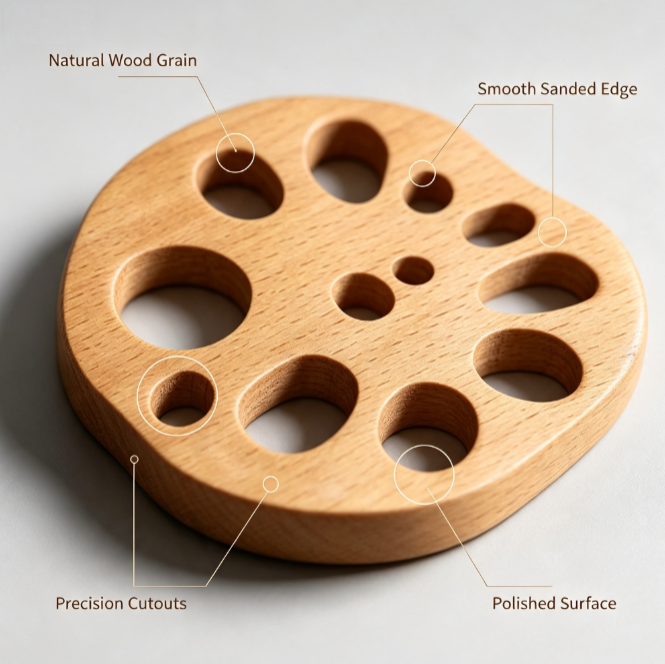
Reliable wooden cooking utensils begin with appropriate material selection and careful processing. Shaping determines how a spoon moves through a saucepan, while the working edge influences its usefulness for stirring, scraping, and serving. Smooth sanding helps create comfortable handles and reduces rough areas that may affect everyday handling. A suitable finish should be selected according to the product's intended food-contact application and maintenance requirements. For wholesale buyers, evaluating samples across several utensil shapes helps establish consistent expectations for appearance and dimensions. Retailers can then build collections that combine practical functionality with natural wood character. Clear specifications and inspection criteria also support more predictable purchasing decisions.
Flexible Product Options for Retail and Private Labels

Flexible Product Options for Retail and Private Labels

A varied wooden utensil range gives kitchenware businesses greater flexibility when developing products for different customer groups. Basic stirring spoons suit everyday cooking, slotted designs support draining, and broad spatulas help turn or transfer ingredients. Retailers can combine individual tools into coordinated sets for household use, specialty stores, or seasonal gift programs. Depending on available manufacturing options, buyers may explore customized dimensions, branding, and packaging to align products with their market positioning. Before confirming an order, review samples, material specifications, surface quality, and packaging details. This structured approach helps businesses assess product suitability, organize purchasing requirements, and develop wooden kitchenware assortments with a consistent appearance.