Wooden Utensils for Kitchen: Wholesale & Private Label

Welcome to our store!Black Friday Sale!

showlist/wooden-utensils-for-kitchen, showlist/wooden-utensils-for-kitchen, 
Inquiry
Inquiry
Customer Reviews of Wooden Kitchen Utensils

Customer Reviews of Wooden Kitchen Utensils

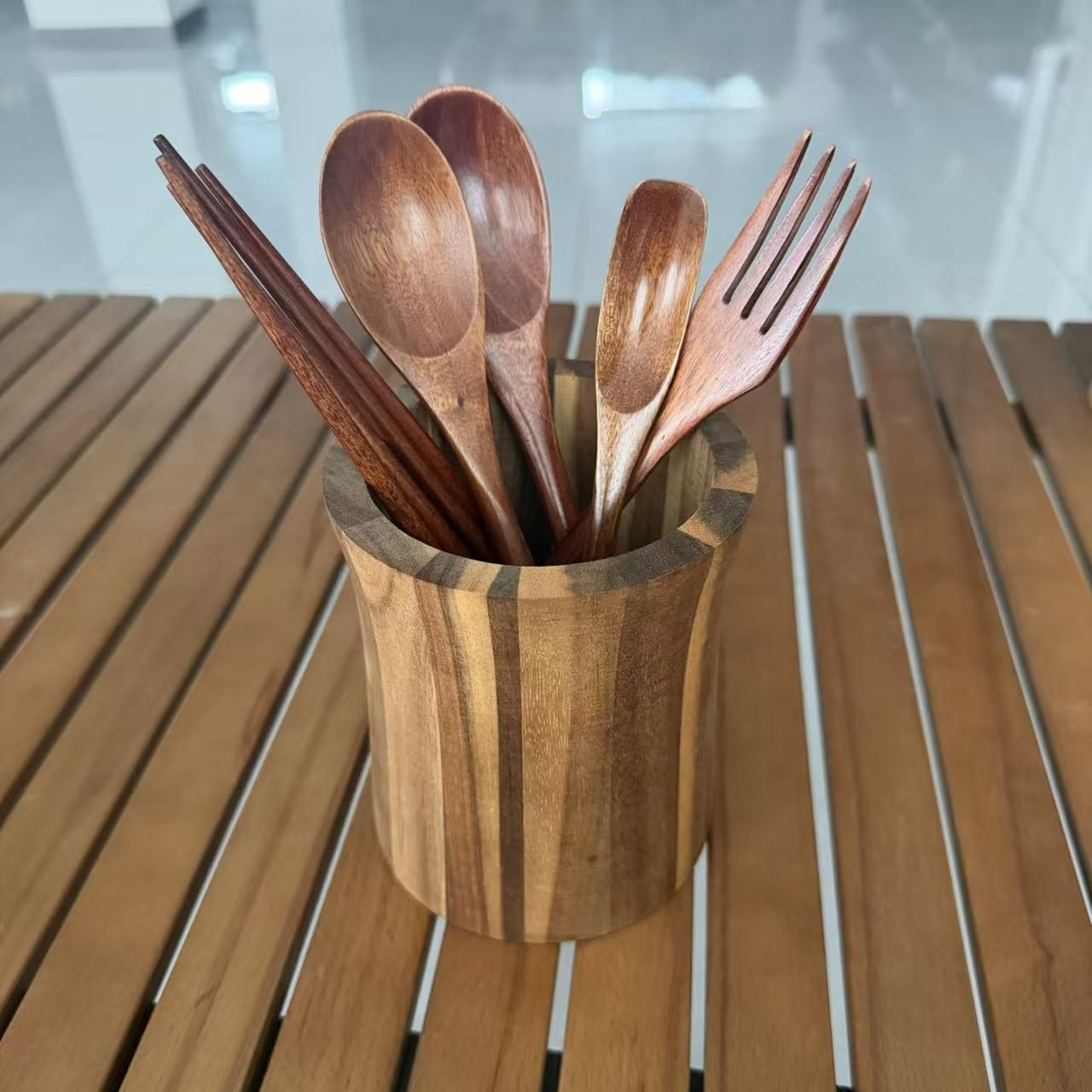
Wooden utensils bring warmth, practicality, and timeless appeal to modern kitchenware collections. From cooking spoons and spatulas to ladles and turners, different designs support everyday tasks such as stirring sauces, mixing ingredients, and serving meals. Woodenky offers wooden kitchenware options for retailers, distributors, and private-label brands seeking coordinated product assortments. Buyers can explore different shapes, dimensions, wood appearances, and packaging possibilities according to their market requirements. For example, a kitchenware retailer can combine several utensil styles into a matching collection for home cooks or gift buyers. By confirming material specifications, finishing standards, and packaging details before production, businesses can establish clearer purchasing requirements and create a consistent product presentation.
Get A Quote

Case Study

Coordinated Utensil Sets for Kitchenware Retailers

Retailers can combine wooden spoons, spatulas, ladles, and turners to create coordinated kitchen utensil collections. Matching wood tones and consistent handle styling help products look cohesive across shelves and online catalogs. For example, a homeware retailer preparing a natural kitchen accessories range could offer a basic cooking set alongside individual utensils for replacement purchases. Different product lengths and shapes allow the assortment to address varied cooking preferences. Before placing a wholesale order, buyers should review samples, confirm dimensions, and specify packaging requirements. This approach supports clearer product planning and helps retailers develop kitchenware ranges suited to their customers and sales channels.

Wooden Utensils for Restaurants and Foodservice Suppliers

Foodservice distributors may source wooden kitchen utensils for culinary demonstrations, selected preparation tasks, serving applications, and hospitality product collections. Cooking spoons and spatulas support mixing and stirring, while ladles help transfer soups and sauces. For example, a restaurant supplier could select several utensil styles to serve different customer requirements. Buyers should assess the intended use, handle comfort, material quality, and cleaning instructions before choosing products for commercial environments. Wooden utensils are not automatically suitable for every high-temperature or intensive-use application, so supplier guidance matters. Clear specifications help distributors recommend appropriate products and manage purchasing expectations across different foodservice customers.

Private-Label Wooden Utensils for Branded Collections

Private-label brands can use wooden kitchen utensils to expand their product portfolios with practical accessories that complement cookware, cutting boards, and storage products. A branded collection might include a spoon, slotted turner, spatula, and ladle in coordinated styles. Buyers can discuss suitable logo placement, product dimensions, surface finishing, and packaging with their supplier. For example, an online kitchenware brand could develop a gift-ready utensil set for seasonal promotions or housewarming purchases. Approving samples before mass production helps verify appearance and specifications. Confirming order quantities, quality expectations, and delivery schedules also supports more organized sourcing and repeat purchasing.

Wooden utensils remain a popular choice for kitchenware collections because they combine practical functionality with a natural material appearance. Cooking spoons, spatulas, slotted turners, ladles, and serving tools each support different preparation and serving tasks. For retailers and importers, offering several utensil styles creates opportunities to build coordinated assortments for home cooks, hospitality suppliers, and gift markets. Woodenky provides wooden kitchenware options for businesses exploring wholesale purchasing and private-label product development. Buyers can discuss product shapes, dimensions, wood appearance, finishing requirements, and packaging based on their intended market. Material selection and manufacturing specifications should be confirmed for each product rather than assumed to be identical across an entire collection. For example, a retailer launching a natural kitchenware range might combine wooden cooking utensils with cutting boards and serving accessories to create a consistent visual identity. A distributor may instead prioritize commonly used shapes and practical packaging for a broader customer base. Sample evaluation helps purchasing teams assess workmanship, surface smoothness, handle proportions, and overall appearance before confirming an order. Buyers should also verify food-contact requirements, cleaning guidance, and applicable market standards. With clear specifications and coordinated product planning, wooden kitchen utensils can support a distinctive and practical commercial assortment.

Frequently Asked Questions

What types of wooden utensils are available for kitchens?

Common options include cooking spoons, slotted spoons, spatulas, turners, ladles, and serving utensils. Each design serves different preparation or serving needs. Wholesale buyers should compare dimensions, handle shapes, wood types, and finishing options to select products that fit their target customers and intended applications.
Customization depends on the product design and manufacturing capabilities. Buyers can discuss dimensions, wood appearance, handle styling, suitable branding methods, and packaging options with Woodenky. Requesting samples and confirming minimum order quantities, lead times, and artwork requirements before production helps ensure the finished products align with the brand's specifications.
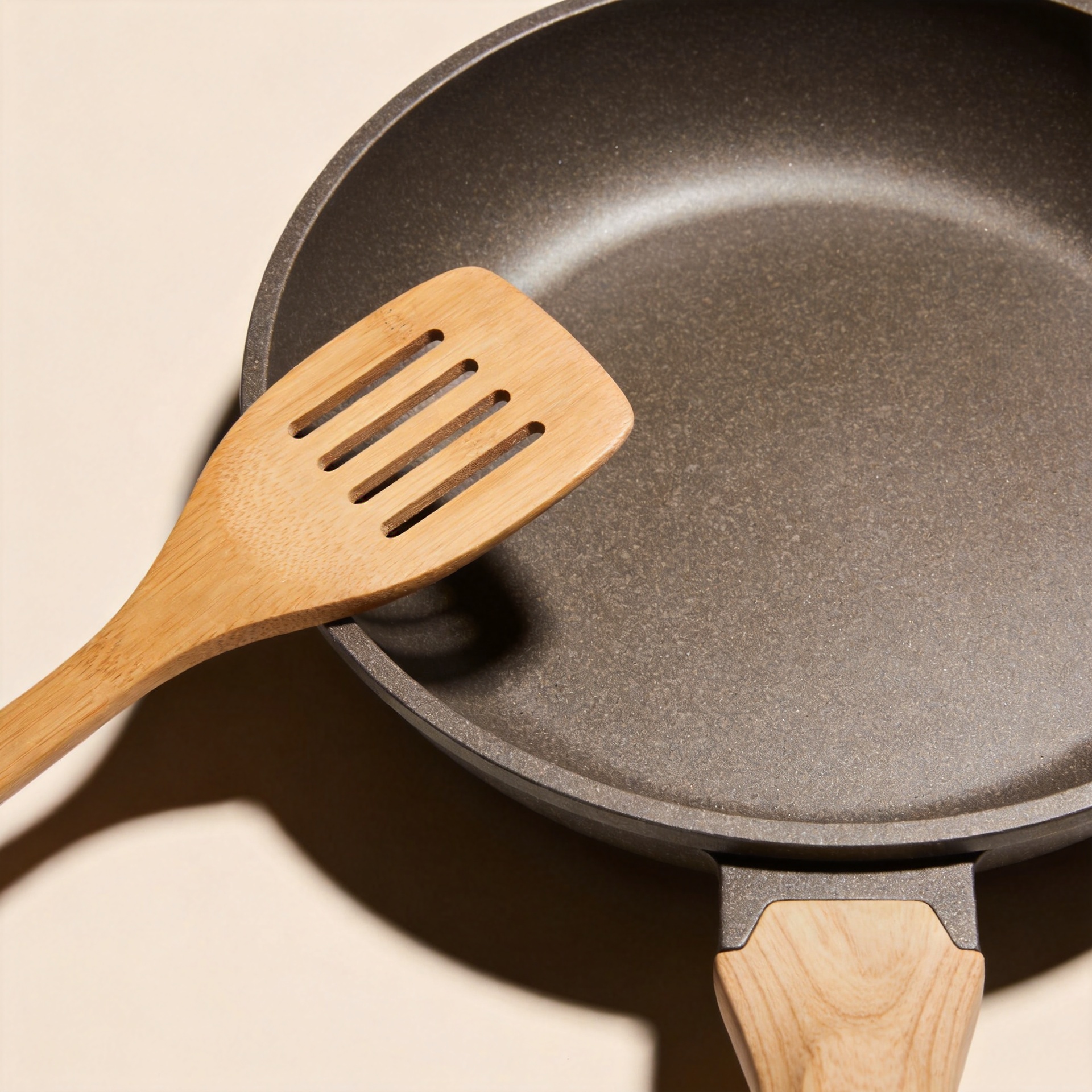
Wooden utensils are generally suitable for many nonstick cookware surfaces because they are less likely to scratch coatings than metal utensils during normal use. However, users should inspect utensils for splinters, cracks, or rough edges and follow cookware manufacturer recommendations to help protect both the cookware and the utensil.
Hand-wash wooden utensils with mild soap and warm water, then dry them promptly. Avoid prolonged soaking and do not use a dishwasher unless the supplier confirms that the product is dishwasher-safe. Regularly inspect the wood for damage, and follow product-specific care instructions to maintain its condition.
Yes. Cooking spoons, spatulas, ladles, and turners can be grouped into sets with matching styles or complementary designs. Retailers may also combine utensils with cutting boards or other kitchen accessories. Confirm product dimensions, packaging formats, and customization availability when developing a coordinated wholesale collection.

Related article

Wooden Storage Rack Materials and Load Capacity Explained.

27

Oct

Wooden Storage Rack Materials and Load Capacity Explained.

Understand wooden storage rack materials, shelf span, joints, and load capacity so you can specify a safer, more dependable shelving system.
View More
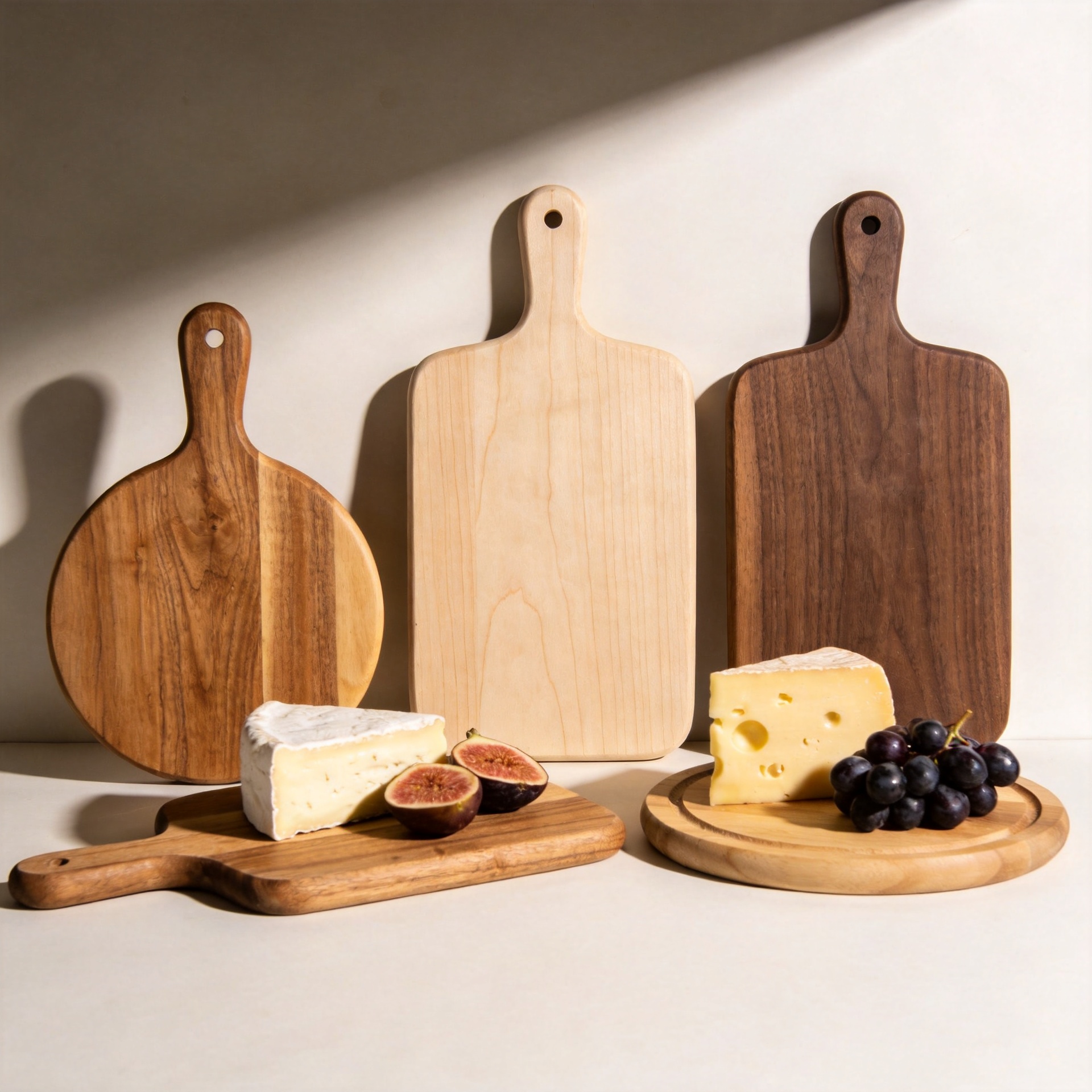
What Features Should Buyers Consider in a Wooden Cheese Board?

27

Oct

What Features Should Buyers Consider in a Wooden Cheese Board?

Compare Wooden cheese board features buyers need: material, finish, serving design, food-contact checks, packaging, and quality control.
View More
What Wood Is Best for a Wooden Cheese Board?

27

Oct

What Wood Is Best for a Wooden Cheese Board?

Choose the best wood for a wooden cheese board with a practical buyer comparison of acacia, maple, walnut, teak, care, and retail fit.
View More
Why Are Wooden Spatulas Suitable for Nonstick Cookware?

28

Oct

Why Are Wooden Spatulas Suitable for Nonstick Cookware?

Learn why a wooden spatula suits nonstick cookware and how to choose, use, and care for it with confidence.
View More

Customer Testimonials

Daniel Brooks

We sourced wooden kitchen utensils for our retail collection and appreciated their natural appearance and versatile designs. Coordinated styles helped us build a consistent assortment for everyday cooking and gifting.

Emily Carter

The wooden utensils complemented our kitchenware range with attractive finishes and functional shapes. Having multiple utensil styles available made it easier to develop coordinated sets for retail customers and wholesale distribution.

Get a Free Quote

Our representative will contact you soon.
0/1000
Product Variety for Different Cooking Needs

Product Variety for Different Cooking Needs

A successful wooden kitchenware collection should offer practical designs for different preparation and serving tasks. Cooking spoons help stir sauces and mixtures, slotted turners assist with lifting selected foods, and ladles are useful for transferring soups and liquids. Woodenky's wooden kitchenware range can help buyers explore complementary utensil styles for retail assortments, hospitality catalogs, and private-label projects. For example, a distributor could select four or five different utensil types to create a starter collection before expanding into additional designs. Actual product availability and dimensions should be confirmed during inquiry. By comparing samples and documenting specifications, buyers can choose a suitable assortment while maintaining a consistent presentation across individual products and bundled sets.
Flexible Sourcing for Wholesale and Private-Label Projects

Flexible Sourcing for Wholesale and Private-Label Projects

Wholesale kitchenware projects require careful coordination between product specifications, packaging, quality expectations, and delivery schedules. Woodenky welcomes inquiries from importers, retailers, and brands interested in wooden kitchen utensils for their product portfolios. Buyers can provide estimated quantities, preferred utensil styles, target markets, and packaging requirements to support a focused discussion. For instance, a retailer preparing a seasonal homeware launch may need coordinated spoons, spatulas, and ladles with consistent visual styling. Reviewing samples before confirming production helps establish clear expectations for appearance and workmanship. Buyers should also verify applicable food-contact documentation and care instructions. This structured approach supports more informed sourcing decisions and helps businesses plan coherent kitchenware collections for their customers.