Wood Cutting Board with Juice Groove | Teak, Acacia, Walnut

Welcome to our store!Black Friday Sale!

showlist/wood-cutting-board-with-juice-groove, showlist/wood-cutting-board-with-juice-groove, 
Inquiry
Inquiry
Customer Reviews for Wood Cutting Boards With Juice Grooves

Customer Reviews for Wood Cutting Boards With Juice Grooves

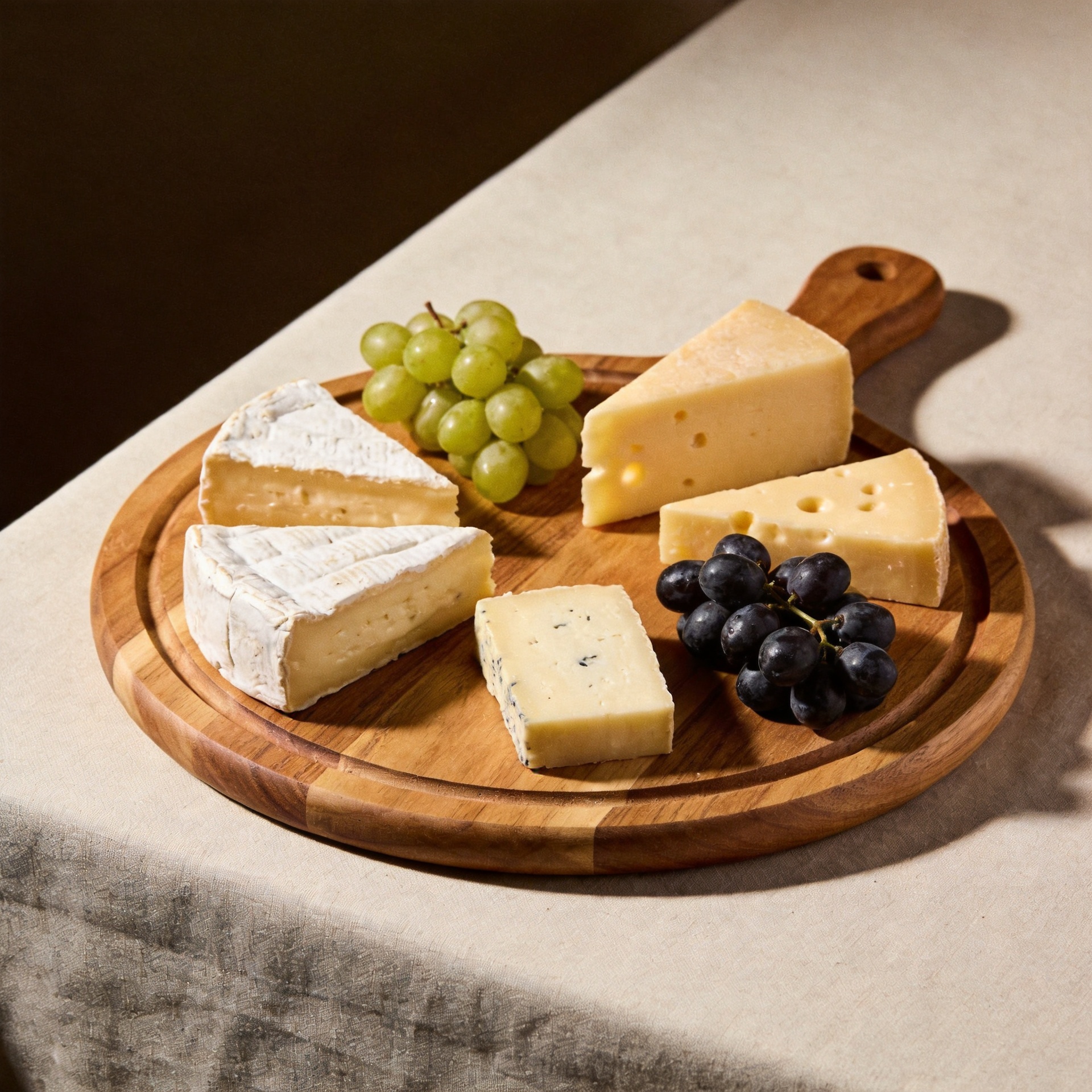
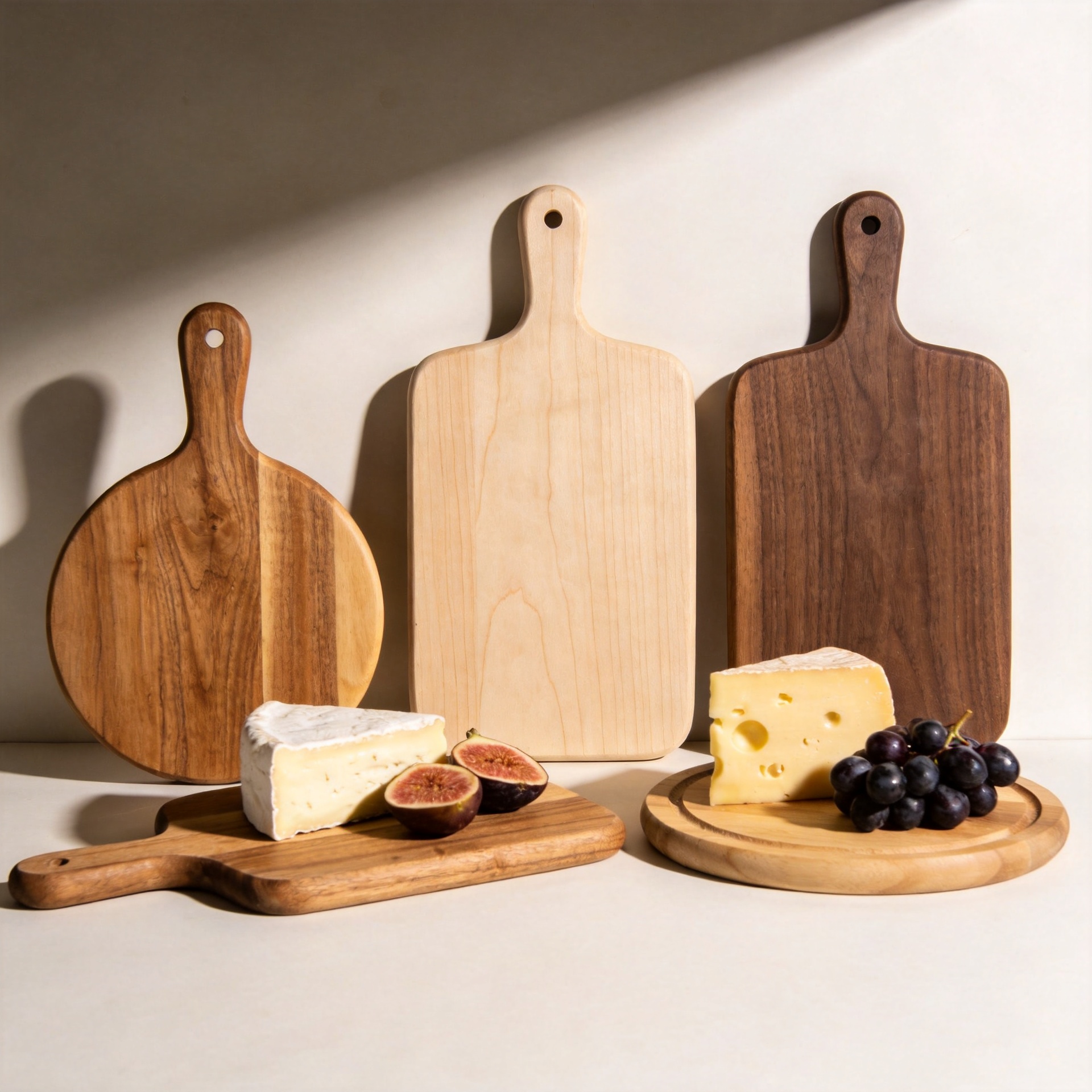
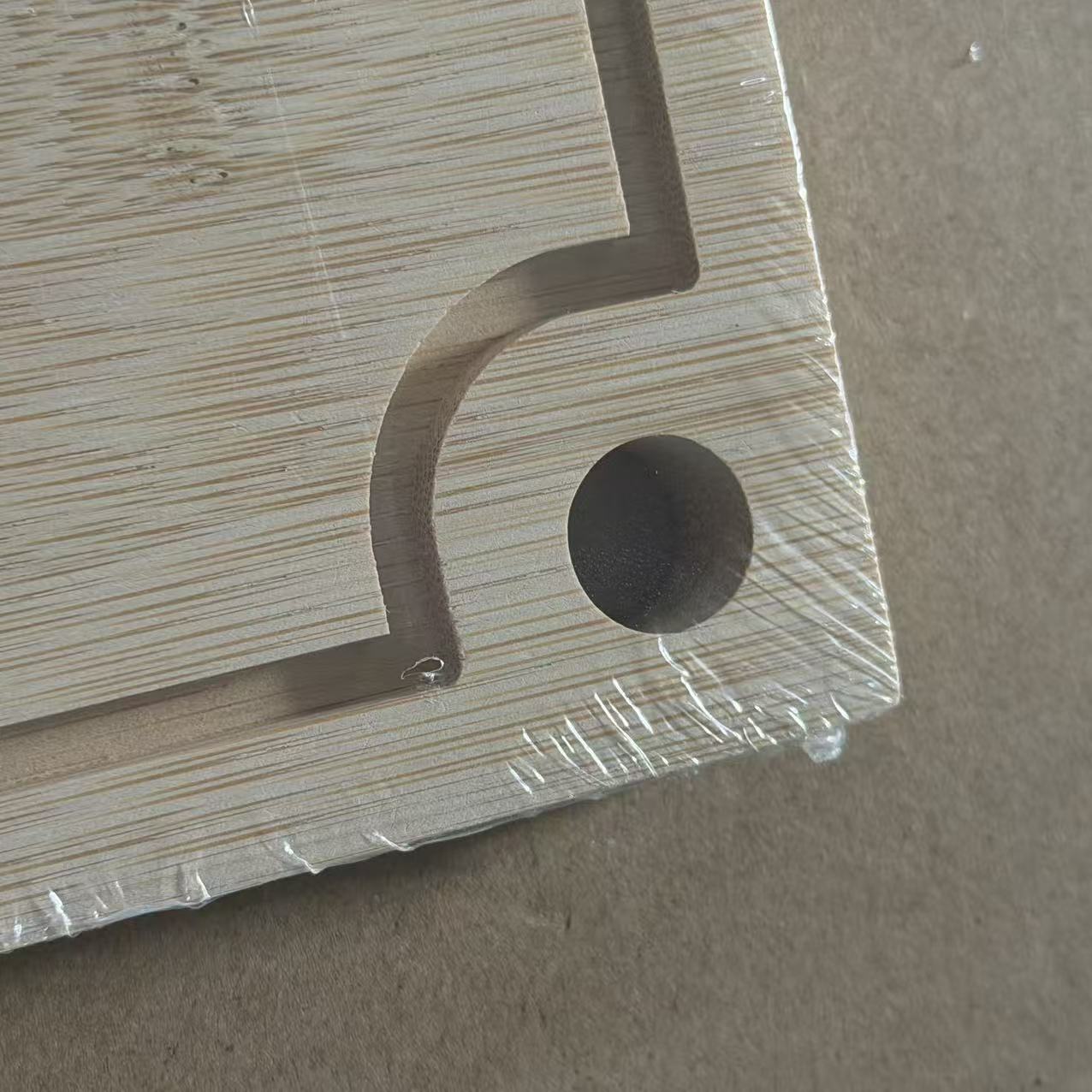
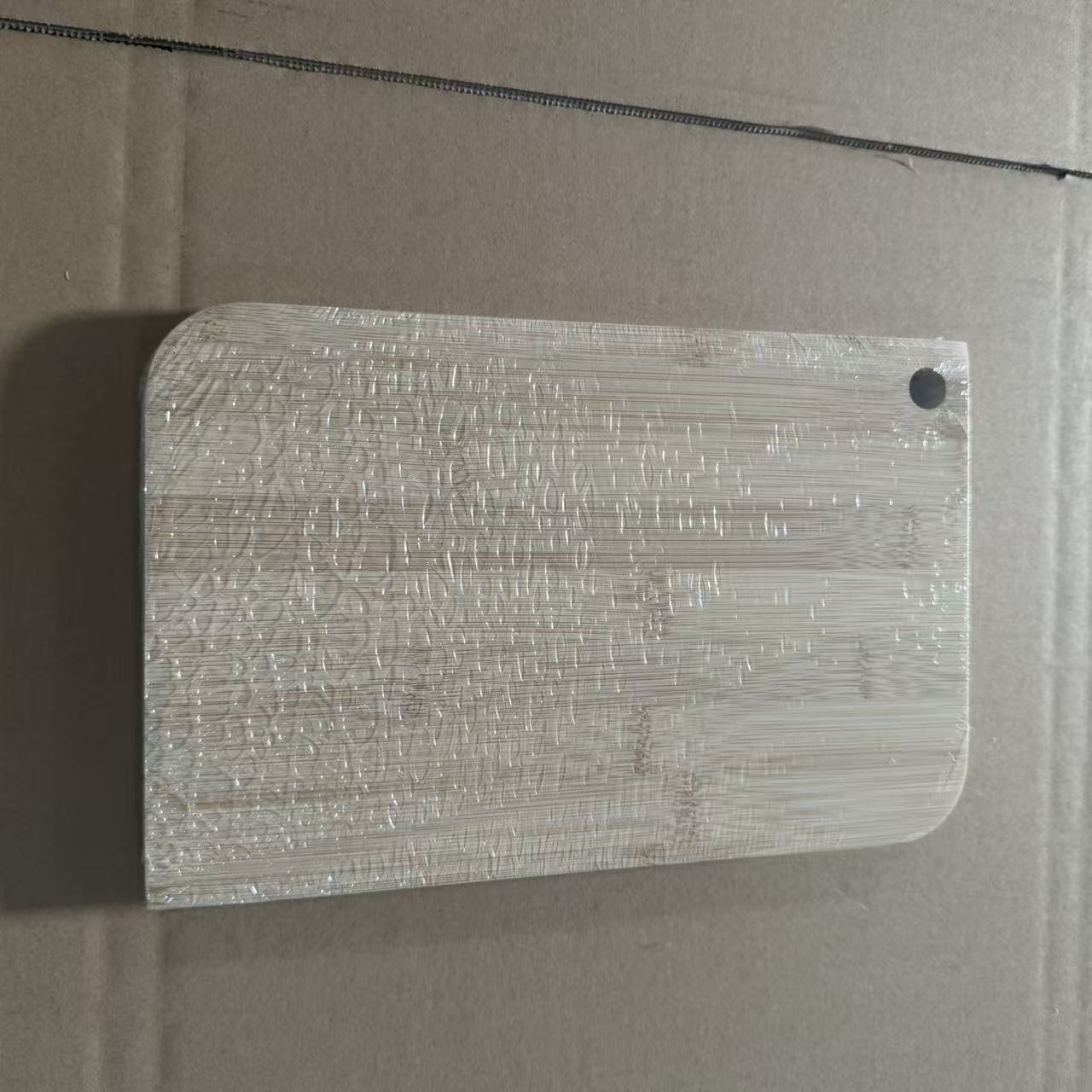
A wood cutting board with juice groove offers a practical solution for kitchens where clean preparation matters. The integrated channel helps capture liquids released when cutting tomatoes, citrus fruits, watermelon, and cooked meats, reducing spills across countertops. Hardwood options such as teak, acacia, and walnut provide distinctive grain patterns and a substantial cutting surface. Different sizes accommodate daily meal preparation, family cooking, and entertaining. Smoothly sanded surfaces and rounded edges enhance handling, while optional handles improve portability. For kitchenware retailers and wholesalers, multiple wood choices, dimensions, and finishes support varied customer preferences. Proper cleaning, thorough drying, and regular food-safe conditioning help preserve the board's appearance and usability.
Get A Quote

Case Study

Everyday Food Preparation at Home

Home cooks frequently prepare ingredients that release water or juice during slicing. A wood cutting board with juice groove helps contain some of these liquids when cutting tomatoes, strawberries, citrus fruits, and other juicy ingredients. A board measuring approximately 16 × 12 inches provides useful workspace for preparing ingredients for family meals while fitting many standard kitchen counters. The groove design also supports carving cooked meats by collecting some surface juices before they reach the countertop. For best results, users should select an appropriate board size, clean the surface promptly, and dry it thoroughly after washing. Regular maintenance helps preserve the wood's natural appearance.

Meat Carving and Weekend Entertaining

During family gatherings, holiday meals, and weekend barbecues, carving boards need sufficient space to accommodate cooked meats and their released juices. A large wood cutting board with juice groove provides a dedicated surface for slicing roast chicken, beef, or turkey while helping contain liquid around the cutting area. For example, an 18 × 14-inch board may offer additional room for carving and portioning, depending on the food being served. Deeper grooves can improve liquid collection when properly proportioned to the board design. Users should follow safe food-handling practices, clean the board thoroughly after use, and avoid cross-contamination between raw and ready-to-eat ingredients.

A wood cutting board with juice groove combines natural materials with thoughtful functionality for everyday food preparation. The recessed channel around the cutting surface helps collect liquids released when slicing juicy fruits, vegetables, and cooked meats, helping reduce countertop mess. Depending on the intended application, buyers can choose from hardwood options such as teak, acacia, and walnut, each offering distinct grain patterns and visual appeal. Product specifications can include board length, width, thickness, groove depth, edge profile, handle design, and surface finish. For example, a compact 12 × 8-inch board may suit quick ingredient preparation, while an 18 × 12-inch model can provide more room for carving and larger meal preparations. Custom engraving and branded packaging offer additional opportunities for retailers and private-label businesses. Consistent manufacturing requires careful wood selection, moisture conditioning, precise groove machining, smooth sanding, and suitable food-contact finishes. Buyers should verify material quality, dimensional tolerances, and finishing specifications before approving production samples. For international markets, packaging and product documentation should also reflect applicable requirements. With proper cleaning, thorough drying, and periodic food-safe oiling, a well-made grooved cutting board can remain a useful and attractive kitchen accessory.

Frequently Asked Questions

What is the purpose of a juice groove on a cutting board?

A juice groove is a recessed channel around the cutting surface that helps collect liquid released when slicing juicy fruits, vegetables, and cooked meats. Its effectiveness depends on groove depth, width, and available capacity. Emptying and cleaning the groove promptly helps maintain kitchen hygiene.
Teak, acacia, and walnut are popular hardwood choices because of their durability and attractive grain. Teak contains natural oils, while walnut offers a darker appearance. The best option depends on budget, preferred aesthetics, construction quality, and maintenance requirements. Always verify that finishes are suitable for food contact.
Wash it with mild dish soap and warm water, paying attention to the groove where residue may collect. Never soak it or place it in a dishwasher. Dry it thoroughly after washing and apply food-safe mineral oil periodically when the wood begins to look dry.
Yes, appropriately sized boards can support carving cooked chicken, beef, turkey, and other meats. The groove helps collect some released juices, but capacity varies by design. Follow safe food-handling procedures, clean and sanitize the board appropriately, and use separate preparation practices for raw and ready-to-eat foods.
Customization may include wood species, dimensions, groove profiles, board thickness, handles, engraving, and packaging. Availability depends on manufacturing capabilities and order requirements. Buyers should confirm minimum quantities, sample approval, production schedules, food-contact finishing specifications, and quality-control procedures before placing a bulk order.

Related article

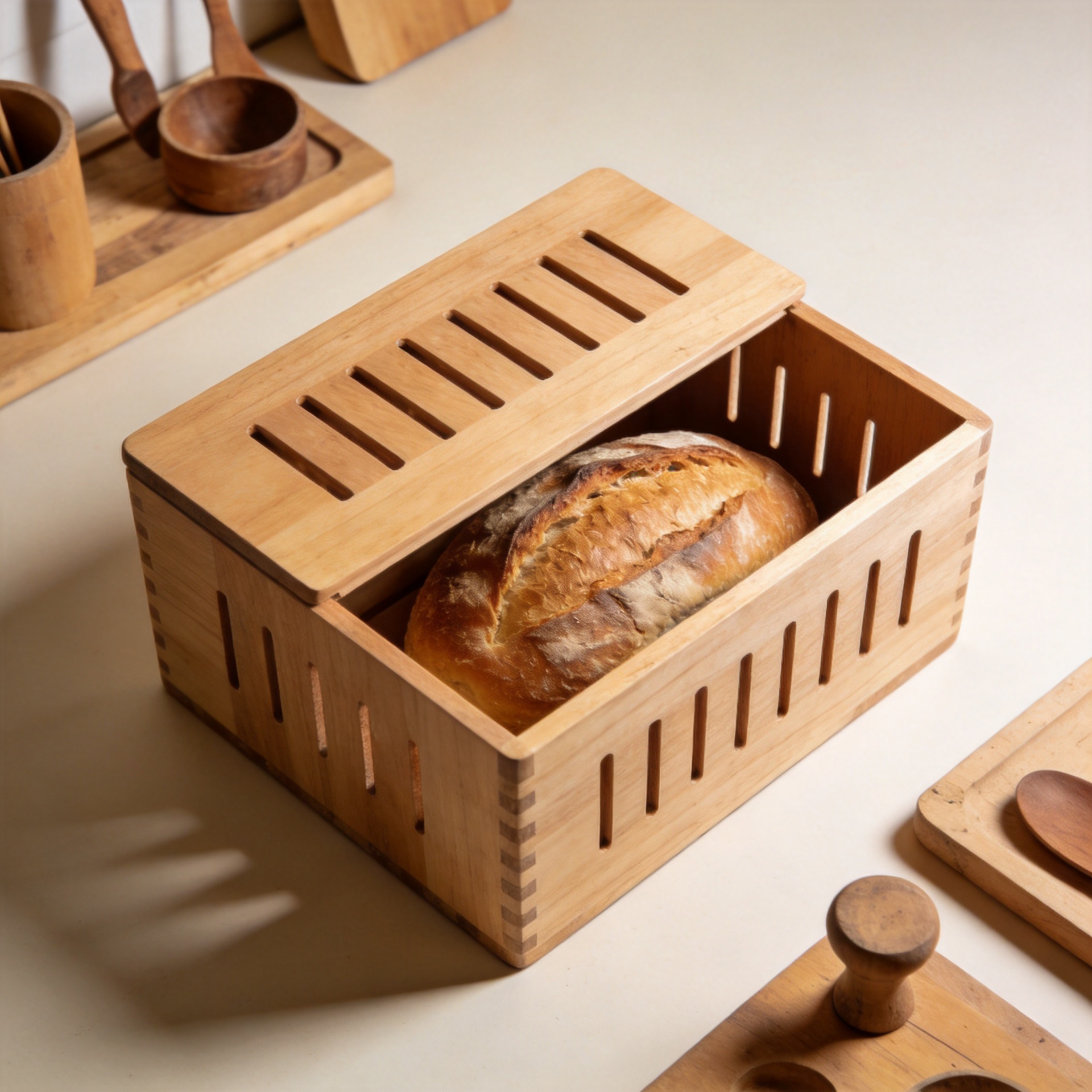
Wooden Bread Storage Box Materials and Ventilation Design Explained.

27

Oct

Wooden Bread Storage Box Materials and Ventilation Design Explained.

Learn how wooden bread storage box materials and ventilation design balance freshness, cleaning, and everyday kitchen use.
View More
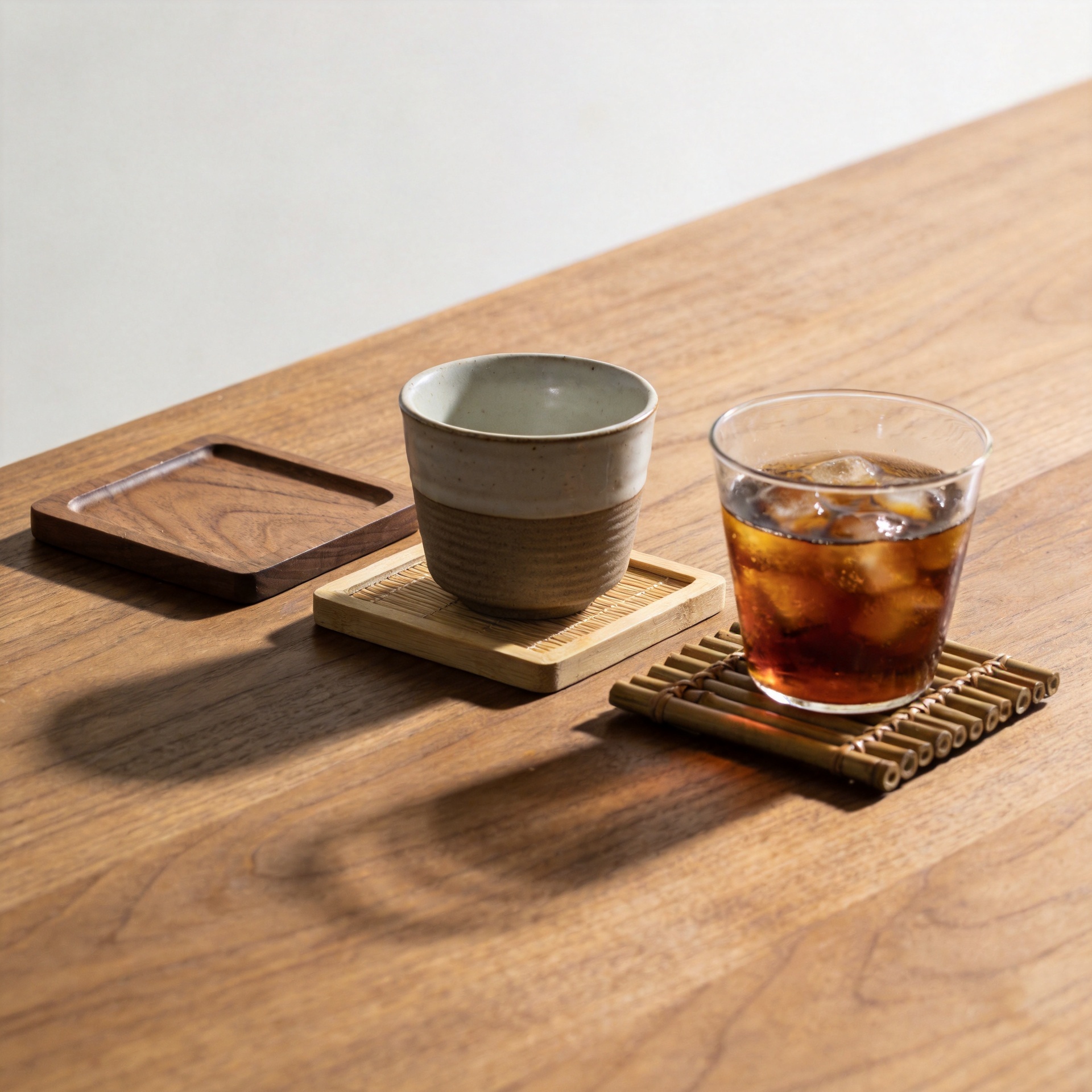
Why Is Wood a Popular Material for Drink Coasters?

27

Oct

Why Is Wood a Popular Material for Drink Coasters?

Discover why wooden coasters remain popular, from natural style and table protection to acacia, bamboo, finishes, and easy care.
View More
What Features Should Buyers Consider in a Wooden Cheese Board?

27

Oct

What Features Should Buyers Consider in a Wooden Cheese Board?

Compare Wooden cheese board features buyers need: material, finish, serving design, food-contact checks, packaging, and quality control.
View More
What Wood Is Best for a Wooden Cheese Board?

27

Oct

What Wood Is Best for a Wooden Cheese Board?

Choose the best wood for a wooden cheese board with a practical buyer comparison of acacia, maple, walnut, teak, care, and retail fit.
View More

Customer Testimonials

James Wilson

The integrated juice groove helps collect excess liquid when slicing juicy fruits, vegetables, and cooked meats. Its practical design keeps countertops cleaner and makes everyday food preparation more organized.

Emma Davis

We appreciate the natural wood grain, smooth finish, and functional groove design. These cutting boards suit premium kitchenware collections, offering customers a practical preparation surface and an attractive addition to modern kitchens.

Get a Free Quote

Our representative will contact you soon.
0/1000
Efficient Liquid Collection for Cleaner Countertops

Efficient Liquid Collection for Cleaner Countertops

An integrated juice groove adds practical value to wooden cutting boards by creating a channel around the preparation area. When slicing tomatoes, oranges, melons, or cooked meats, the groove helps capture some of the liquid that would otherwise spread across the countertop. This feature makes grooved boards particularly appealing to home cooks who regularly prepare fresh produce and carve roasted foods. Board dimensions and groove capacity should match the intended task, as smaller channels may overflow during heavy preparation. For example, a larger carving board can provide more working space for holiday meals. Prompt cleaning and thorough drying help maintain hygiene and protect the wood.
Custom Hardwood Designs for Distinctive Kitchenware Collections

Custom Hardwood Designs for Distinctive Kitchenware Collections

Wood cutting boards with juice grooves offer retailers a versatile product category that combines practical features with natural visual appeal. Teak, acacia, and walnut provide different colors and grain patterns, allowing brands to develop collections for contemporary kitchens, rustic interiors, and premium gift markets. Custom options can include board dimensions, groove profiles, rounded edges, integrated handles, engraved logos, and coordinated packaging. For example, a kitchenware retailer might offer compact boards for daily chopping alongside larger carving models for entertaining. Clear specifications, approved samples, and consistent inspection procedures help support dependable wholesale production. Selecting suitable wood and food-contact finishes further strengthens product quality and market suitability.