Best Wooden Cooking Utensils for B2B Buyers [2024]

Welcome to our store!Black Friday Sale!

showlist/best-wooden-cooking-utensils, showlist/best-wooden-cooking-utensils, 
Inquiry
Inquiry
Customer Reviews of Premium Wooden Cooking Utensils

Customer Reviews of Premium Wooden Cooking Utensils

The best wooden cooking utensils combine comfortable handling, functional shapes, and carefully finished surfaces to support everyday food preparation. Wooden spoons, spatulas, turners, and mixing tools serve different purposes, from stirring sauces to folding ingredients and serving vegetables. For retailers and wholesalers, selecting complementary designs creates opportunities to build coordinated kitchenware collections. Buyers should evaluate wood species, handle dimensions, surface smoothness, and food-contact suitability before placing bulk orders. A five-piece utensil set, for example, can cover several common cooking tasks while creating an attractive merchandising option. Woodenky offers wooden kitchenware solutions for businesses seeking practical products with natural visual appeal, flexible assortment planning, and potential private label opportunities.
Get A Quote

Case Study

Curated Utensil Sets for Homeware Retailers

A homeware retailer wanted to expand its kitchen accessories section with wooden cooking utensils that matched its existing cutting boards. The buyer focused on comfortable handles, useful utensil shapes, and consistent surface finishing. A coordinated assortment of spoons, spatulas, and turners provided options for individual purchases and multipiece sets. Grouping five complementary utensils into one collection created a straightforward merchandising concept for everyday cooking needs. The retailer could also pair the products with wooden serving accessories to encourage cross-category browsing. For businesses developing kitchenware ranges, coordinated designs help create a recognizable product presentation while giving customers practical choices for different cooking routines.

Private Label Kitchen Tools for Online Stores

An online kitchenware brand needed wooden utensils with a consistent appearance across its product listings. The sourcing team reviewed handle profiles, wood grain, product dimensions, and packaging requirements before selecting suitable models. Building a collection around three core utensil types helped simplify product photography and establish a clear assortment structure. Each listing could explain the intended cooking application, material characteristics, and recommended care practices. This approach helped the brand present products more clearly to shoppers comparing kitchen tools online. For private label businesses, confirming samples, customization options, and packaging specifications before production is essential for aligning the final collection with brand positioning and customer expectations.

Choosing the best wooden cooking utensils starts with understanding how each tool performs in the kitchen. Wooden spoons are useful for stirring soups and sauces, while flat spatulas help turn ingredients and scrape the sides of cookware. Slotted turners allow excess liquid to drain, and broad mixing spoons work well for combining ingredients. Selecting several complementary shapes can create a practical collection for home cooks, retailers, and professional kitchenware distributors. Woodenky develops wooden kitchenware options for businesses sourcing individual utensils, coordinated sets, and private label collections. Buyers should compare wood species, dimensions, handle comfort, surface finishing, and manufacturing consistency when evaluating products. Smooth, properly finished wooden utensils offer a natural tactile feel and are generally suitable for many nonstick cookware surfaces when used appropriately. For commercial orders, product specifications should clearly identify materials, finishes, packaging, and intended applications. A five-piece set might include two stirring spoons, a spatula, a slotted turner, and a mixing utensil, although configurations depend on the selected collection. Importers should also verify food-contact suitability and relevant market requirements before placing orders. With clear specifications and thoughtful assortment planning, businesses can source wooden cooking utensils that balance practical functionality, natural styling, and retail appeal.

Frequently Asked Questions

What should buyers look for in the best wooden cooking utensils?

Look for smooth surfaces, comfortable handles, appropriate utensil shapes, and clearly identified wood materials. The finish should be suitable for the intended food-contact application. Buyers sourcing commercially should also review product dimensions, care instructions, sample quality, and relevant compliance documentation before approving a bulk order.
A wooden spoon, flat spatula, slotted turner, and mixing spoon cover many everyday cooking tasks. A five-piece collection can add useful variety for stirring, turning, folding, and serving ingredients. The best combination depends on cookware types, cooking habits, and whether the utensils are sold individually or as a set.
Yes, wooden utensils are generally suitable for many nonstick pans because they are less abrasive than metal tools during normal use. Choose smooth, undamaged utensils and avoid rough edges that could affect the cookware surface. Always follow the cookware manufacturer's recommendations for safe utensil use.
Customization may include dimensions, selected wood materials, finishing, branding, and packaging, depending on supplier capabilities. Buyers should provide target specifications, estimated order quantities, and destination-market requirements. Requesting samples and approving production details beforehand helps ensure the selected products meet quality expectations and align with the intended brand identity.
Hand-wash wooden utensils using mild detergent and warm water, then dry them promptly. Avoid prolonged soaking and follow the manufacturer's care instructions. Depending on the wood and finish, a suitable food-contact-safe oil may help maintain the surface. Do not place utensils in a dishwasher unless the manufacturer explicitly confirms they are dishwasher-safe.

Related article

What Factors Determine the Quality of a Wooden Dinner Plate?

27

Oct

What Factors Determine the Quality of a Wooden Dinner Plate?

Learn what determines Wooden dinner plate quality, from wood grain and plate thickness to food grade finish checks and supplier QC.
View More
How to Keep Bread Fresh in a Wooden Bread Storage Box?

27

Oct

How to Keep Bread Fresh in a Wooden Bread Storage Box?

Keep loaves fresher with a wooden bread storage box: practical airflow, placement, cleaning, and freezing tips for every bread type.
View More
What Is the Best Wood for a Wooden Chopping Board?

28

Oct

What Is the Best Wood for a Wooden Chopping Board?

Compare the best wood for a Wooden chopping board by durability, appearance, construction, and care needs for retail buying.
View More
What Is a Wooden Storage Rack Used For?

28

Oct

What Is a Wooden Storage Rack Used For?

Discover what a wooden storage rack is used for, from everyday organization to display, plus practical selection guidance.
View More

Customer Testimonials

James Wilson

We wanted durable wooden utensils for everyday meal preparation. The smooth finish and versatile designs helped us build a coordinated kitchenware collection covering stirring, mixing, and serving tasks.

Sarah Mitchell

The wooden cooking utensils complement our cutting boards and kitchen accessories. Offering coordinated sets across 3 product categories has helped us create more attractive retail displays.

Get a Free Quote

Our representative will contact you soon.
0/1000
Carefully Finished Utensils for Everyday Performance

Carefully Finished Utensils for Everyday Performance

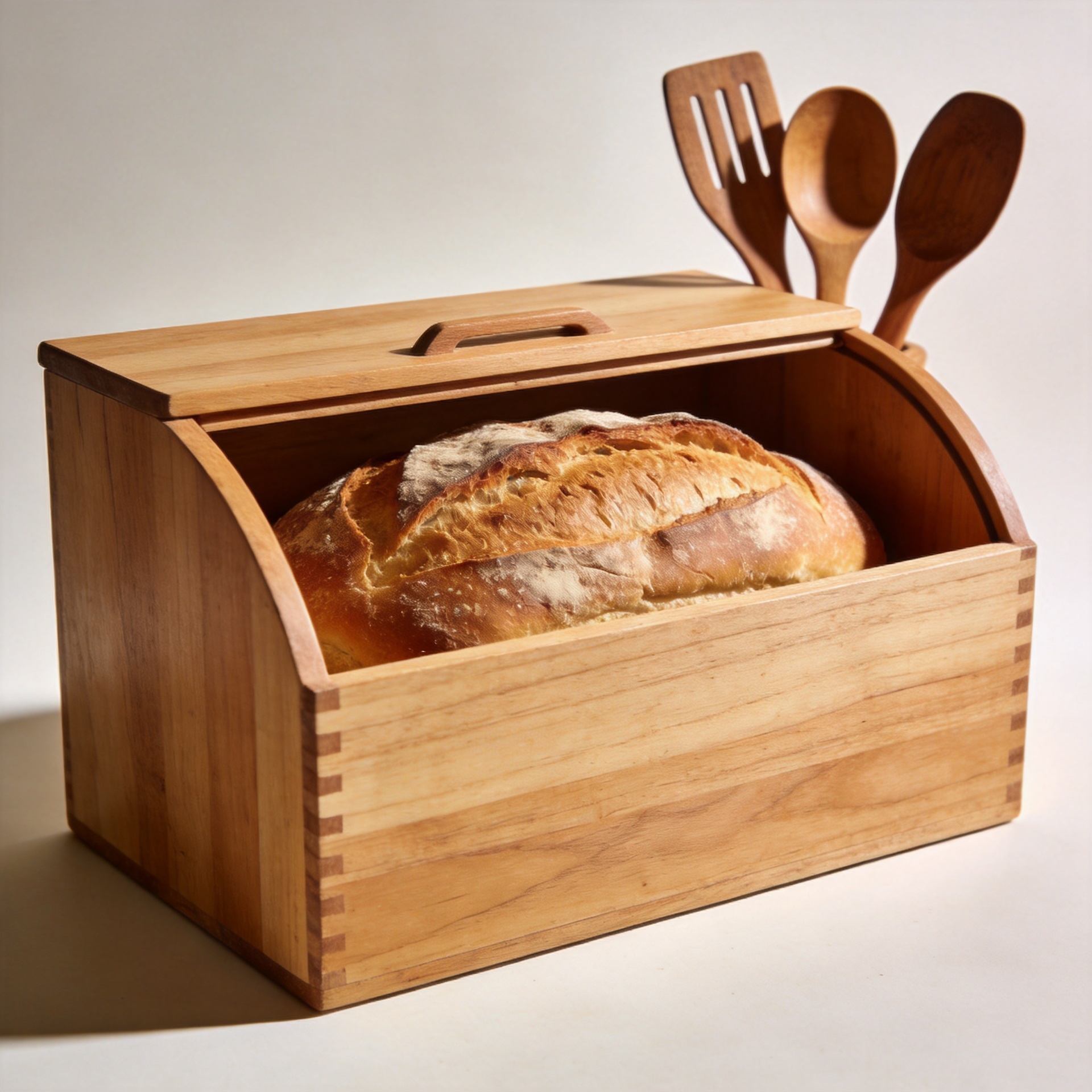
Quality wooden cooking utensils should feel comfortable in the hand and perform reliably across common food preparation tasks. Smooth finishing, balanced proportions, and practical utensil shapes contribute to a more enjoyable cooking experience. A retailer could build a four-category assortment around stirring spoons, flat spatulas, slotted turners, and mixing tools to address different kitchen needs. Each category serves a distinct purpose while maintaining a consistent natural appearance across the display. Buyers should evaluate the wood species, finish quality, and handle dimensions rather than judging products by appearance alone. For commercial sourcing, sample inspections and documented specifications help establish clear expectations for repeat orders and product consistency.
Natural Materials for Coordinated Kitchenware Collections

Natural Materials for Coordinated Kitchenware Collections

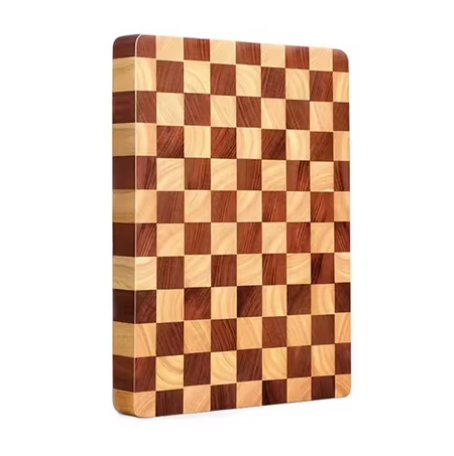
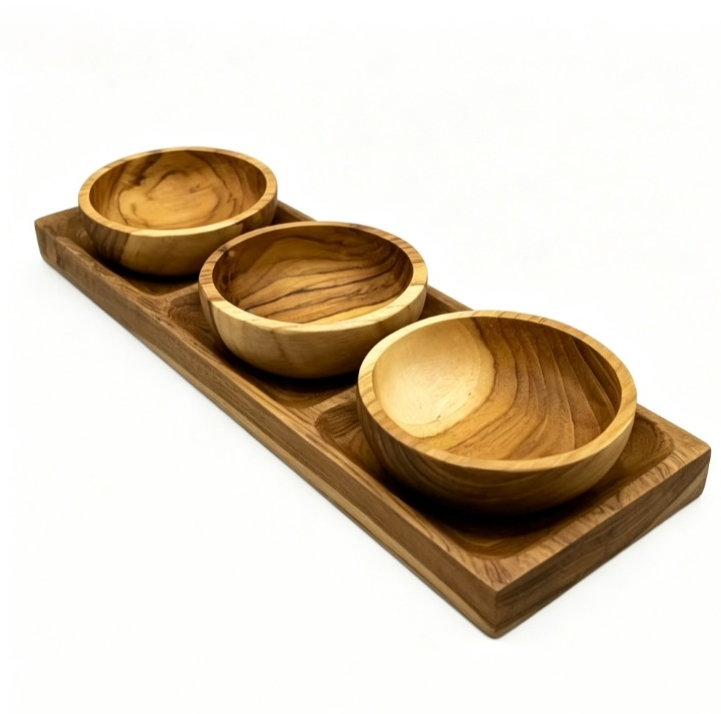
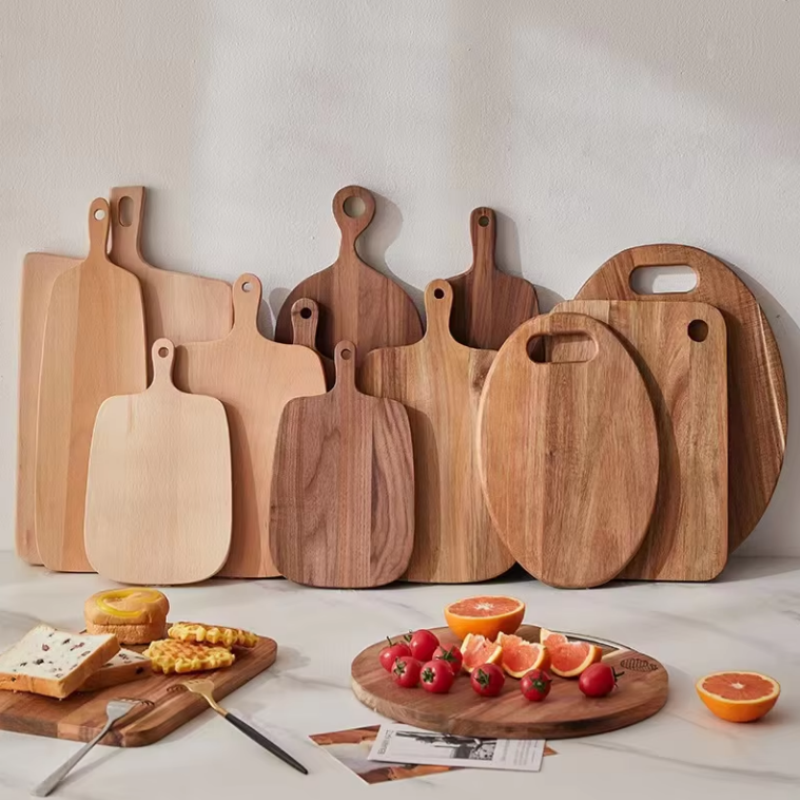
Wooden utensils bring natural grain and understated warmth to kitchenware collections, complementing cutting boards, serving trays, and other wooden accessories. Retailers can combine three complementary product categories to create coordinated displays or themed gift selections. For example, a wooden spoon set paired with a matching chopping board provides a practical kitchen gift concept for seasonal promotions. Grain patterns and colors naturally vary, so buyers should confirm the expected appearance and finish before production. Clear product descriptions can explain material characteristics, intended uses, and maintenance requirements. This approach helps businesses present wooden cooking utensils accurately while developing a cohesive assortment for homeware shops, online stores, and wholesale distribution channels.