Wooden Cooking Utensils for B2B Buyers | Wholesale & Custom

Welcome to our store!Black Friday Sale!

showlist/wooden-cooking-utensils, showlist/wooden-cooking-utensils, 
Inquiry
Inquiry
Trusted Wooden Cooking Utensils for Everyday Kitchens

Trusted Wooden Cooking Utensils for Everyday Kitchens

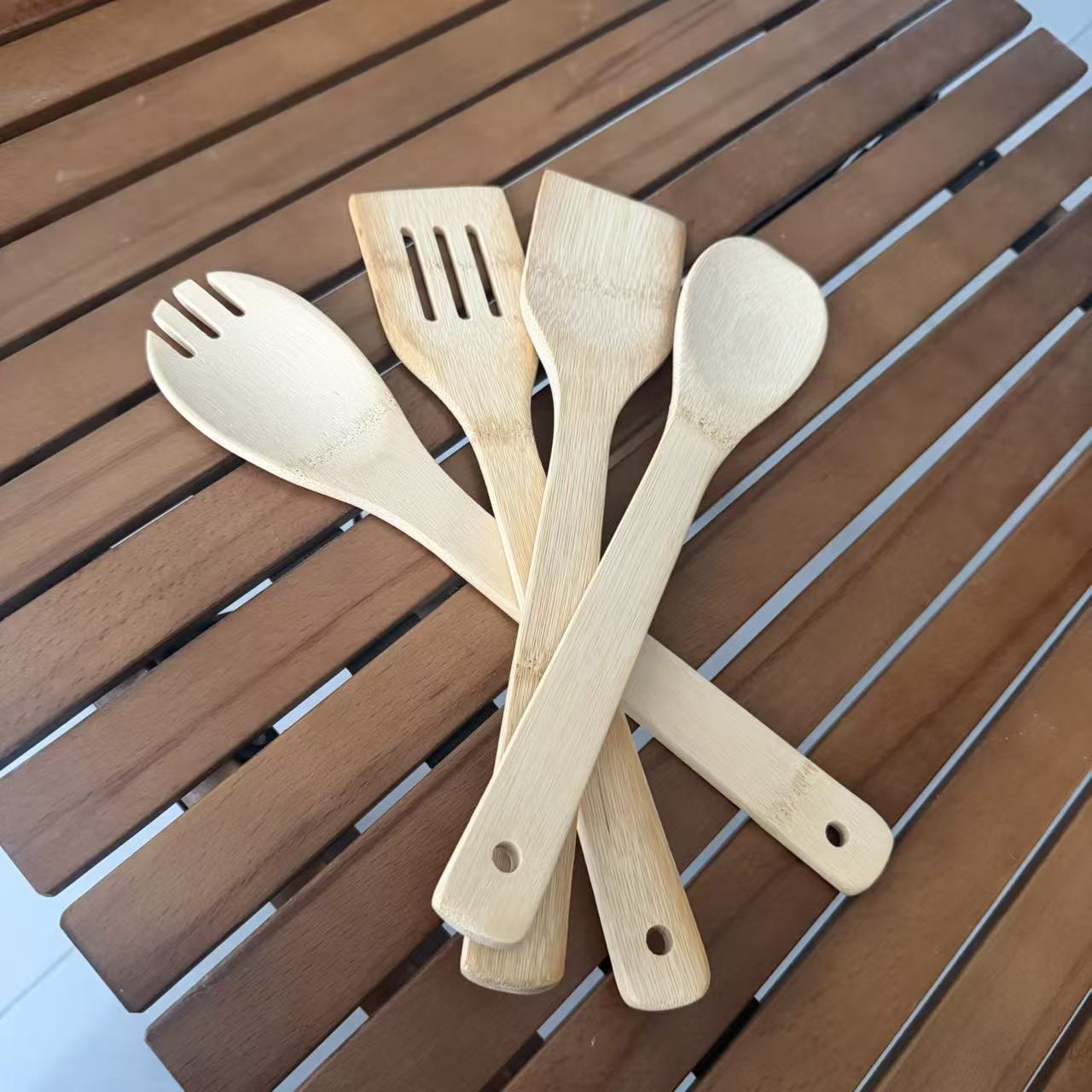
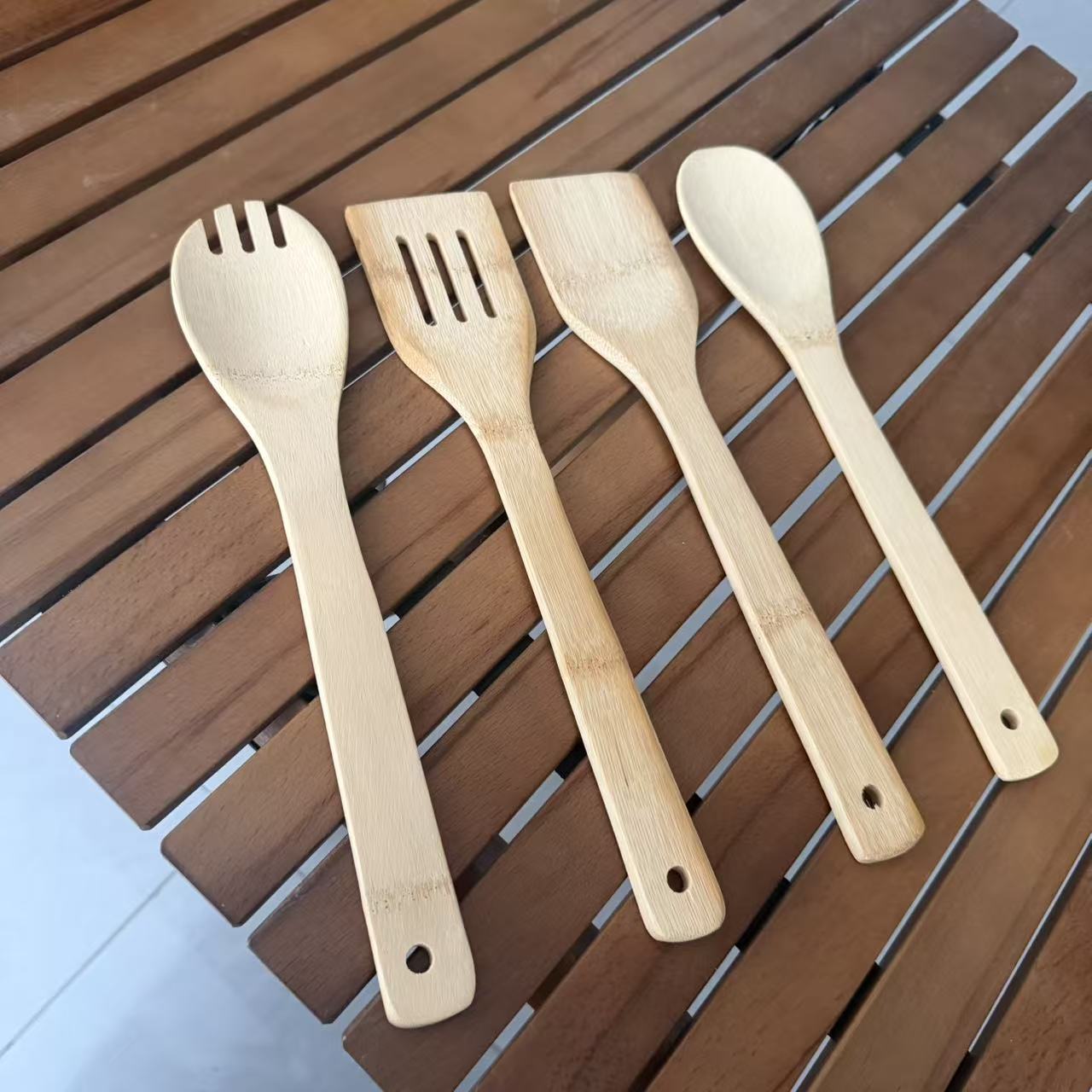
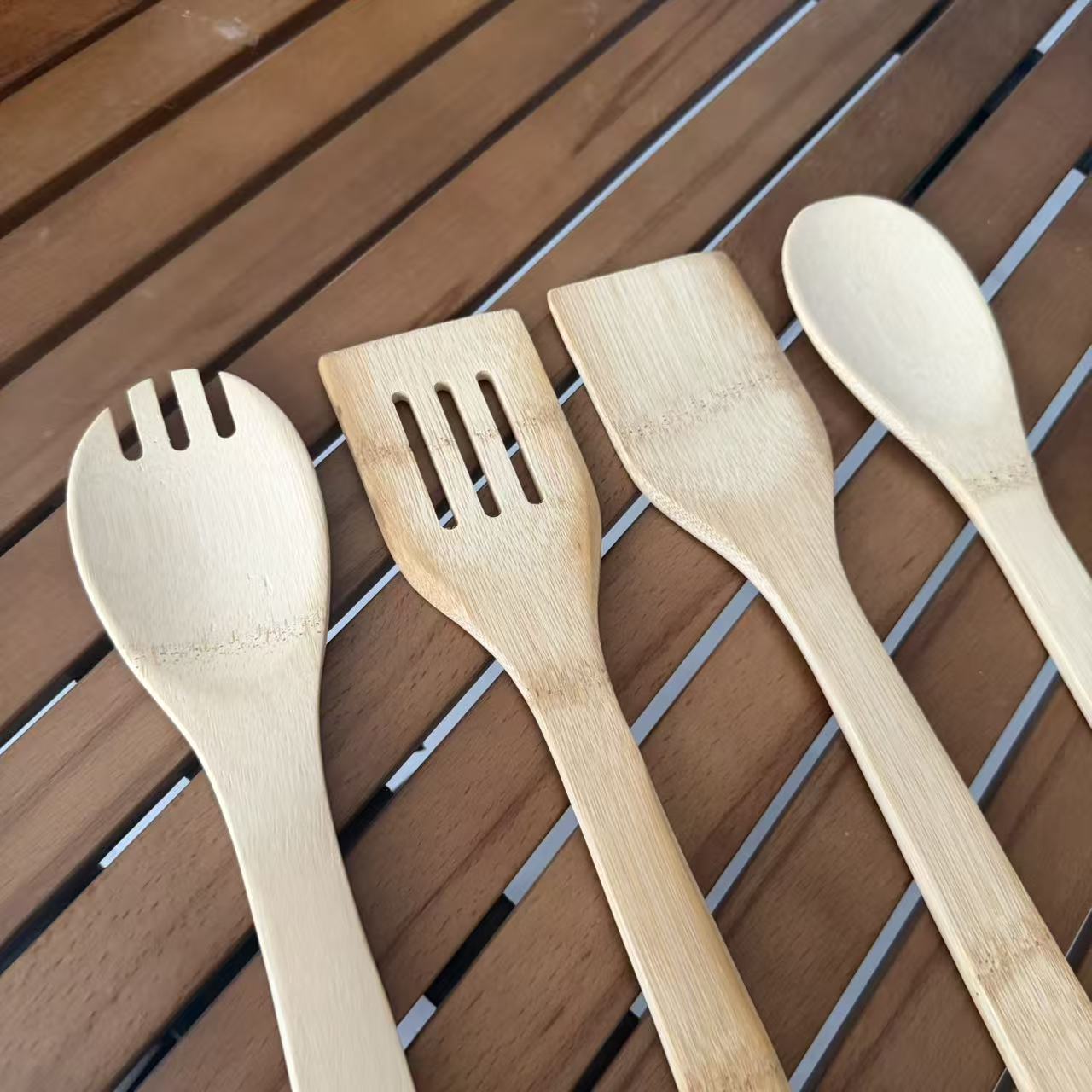
Wooden cooking utensils combine practical performance, natural aesthetics, and versatility for modern kitchens. At Woodenky, buyers can explore wooden spoons, spatulas, turners, and other essential kitchen tools for retail collections, hospitality supplies, and private label projects. Carefully finished wooden surfaces provide a comfortable grip while helping reduce the risk of scratching compatible nonstick cookware. Different shapes and sizes support everyday tasks, from stirring sauces to flipping vegetables and serving meals. For distributors managing multiple product lines, coordinated utensil collections simplify assortment planning and merchandising. Customization options can help businesses align product dimensions, finishes, packaging, and branding with their target markets and commercial requirements.
Get A Quote

Case Study

Coordinated Utensil Sets for Kitchenware Retailers

A kitchenware retailer planning a natural-material product collection may choose coordinated wooden spoons, spatulas, and turners to create a consistent shelf presentation. For an initial 500-piece assortment, buyers can evaluate handle comfort, surface smoothness, dimensions, and packaging before placing repeat orders. A unified finish helps different utensils look cohesive across product listings and retail displays. Woodenky's product range provides a starting point for discussing suitable styles and customization requirements. Actual order quantities, available designs, lead times, and packaging options should be confirmed before production. This approach helps retailers balance product variety with inventory control while building a recognizable kitchenware collection.

Private Label Utensils for E-Commerce Brands

An e-commerce brand launching wooden cooking utensils needs products that photograph well, perform reliably, and arrive in presentation-ready packaging. A trial order of 300 pieces can help assess customer feedback, packaging durability, and demand for individual utensils or complete sets. Buyers may compare different wood appearances, handle profiles, and product configurations before selecting a final assortment. Branded packaging and logo placement can strengthen recognition when available and agreed upon with the supplier. Woodenky can be approached to discuss product specifications and private label requirements. Final customization capabilities, minimum order quantities, and production schedules should be verified during quotation.

Wooden Utensils for Hospitality and Food Service

Hospitality purchasing teams often need practical utensils for breakfast preparation, buffet service, and routine kitchen work. A coordinated selection of wooden spoons and spatulas can support different preparation tasks while creating a warm, natural visual style. For a hotel group evaluating supplies across five kitchen locations, standardized dimensions and documented quality checks can simplify purchasing and replacement planning. Wooden utensils should be selected according to their intended use, cleaning requirements, and expected workload. Buyers should also confirm applicable food-contact requirements and care instructions. A clear specification sheet helps purchasing teams compare samples and maintain consistent expectations across subsequent orders.

Wooden cooking utensils remain a practical choice for kitchens that value functionality, natural materials, and timeless design. A well-planned collection may include stirring spoons, slotted turners, flat spatulas, serving tools, and specialty utensils for different cooking techniques. Product selection should consider wood species, grain appearance, handle dimensions, surface finish, and the intended frequency of use. These details influence both the user experience and the visual consistency of a commercial assortment. Woodenky serves as a starting point for businesses seeking wooden kitchenware products for wholesale and customized projects. Buyers can discuss their preferred designs, target markets, branding needs, and packaging specifications to determine a suitable product configuration. For example, a distributor preparing a 1,000-piece seasonal launch could begin by reviewing samples and confirming dimensions, finish quality, carton requirements, and labeling details before approving mass production. Because wood is a natural material, variations in grain and color may occur between individual pieces. Clear quality standards and approved reference samples help establish realistic expectations. Proper care also matters: wooden utensils generally benefit from hand washing, prompt drying, and avoidance of prolonged soaking. By aligning product specifications with customer needs, businesses can develop wooden cooking utensil collections that support practical use and long-term brand development.

Frequently Asked Questions

What Types of Wooden Cooking Utensils Can Wholesale Buyers Source?

Wholesale buyers may look for wooden spoons, spatulas, slotted turners, mixing tools, and serving utensils. The suitable assortment depends on the target market, price positioning, and packaging strategy. Contact Woodenky to confirm currently available styles, dimensions, wood options, customization possibilities, and minimum order quantities before making purchasing decisions.
Private label projects may involve selected designs, product dimensions, surface finishes, logo placement, and packaging. Customization depends on the product and production requirements, so buyers should confirm feasibility with Woodenky before finalizing specifications. Reviewing samples and approving artwork in advance can help reduce discrepancies between expectations and delivered products.
Wooden utensils are generally suitable for compatible nonstick cookware because their surfaces are less likely to scratch coatings than metal tools. However, damaged utensils with splinters or rough edges should not be used. Buyers should follow cookware manufacturer guidance and inspect utensils regularly to maintain safe, practical kitchen use.
Hand wash wooden utensils with mild detergent and warm water, then dry them promptly with a clean towel. Avoid dishwashers, prolonged soaking, and leaving utensils in water, as excess moisture can contribute to cracking or warping. Follow the supplier's care instructions for the specific wood and finish.
Importers should confirm wood species, dimensions, finish quality, food-contact compliance, packaging, minimum order quantities, production lead times, and shipping arrangements. Requesting samples and documented specifications helps evaluate suitability before committing to a larger order. Buyers should also clarify acceptable natural grain variations and inspection criteria with the supplier.

Related article

What Factors Determine the Quality of a Wooden Dinner Plate?

27

Oct

What Factors Determine the Quality of a Wooden Dinner Plate?

Learn what determines Wooden dinner plate quality, from wood grain and plate thickness to food grade finish checks and supplier QC.
View More
What Features Should Buyers Consider in a Wooden Cheese Board?

27

Oct

What Features Should Buyers Consider in a Wooden Cheese Board?

Compare Wooden cheese board features buyers need: material, finish, serving design, food-contact checks, packaging, and quality control.
View More
What Wood Is Best for a Wooden Cheese Board?

27

Oct

What Wood Is Best for a Wooden Cheese Board?

Choose the best wood for a wooden cheese board with a practical buyer comparison of acacia, maple, walnut, teak, care, and retail fit.
View More
Why Are Wooden Spatulas Suitable for Nonstick Cookware?

28

Oct

Why Are Wooden Spatulas Suitable for Nonstick Cookware?

Learn why a wooden spatula suits nonstick cookware and how to choose, use, and care for it with confidence.
View More

Customer Testimonials

James Miller

We sourced wooden cooking utensils for our kitchenware collection and appreciated the smooth finish, practical designs, and consistent quality across our 500-piece order. The products suited our retail requirements well.

Emily Carter

The wooden utensils offered attractive natural grain and comfortable handling. Our 300-piece trial order helped us evaluate customer demand before expanding our private label kitchenware range.

Get a Free Quote

Our representative will contact you soon.
0/1000
Natural Materials with Versatile Kitchen Applications

Natural Materials with Versatile Kitchen Applications

Wooden cooking utensils fit a wide range of kitchen environments, from home cooking and culinary demonstrations to restaurant preparation and hospitality service. A coordinated range of five essential tools, for example, could include a stirring spoon, flat spatula, slotted turner, mixing spoon, and serving utensil. This configuration gives retailers a straightforward starting point for building a useful product assortment. Natural grain patterns create visual variation, while carefully finished handles support comfortable everyday handling. Buyers should compare dimensions, wood characteristics, and finish consistency when reviewing samples. By matching utensil styles to customer needs, distributors can develop collections that balance everyday practicality with the appeal of natural kitchenware.
Customizable Collections for Wholesale and Branding Projects

Customizable Collections for Wholesale and Branding Projects

Wholesale buyers often need wooden cooking utensils that fit specific retail positioning, packaging formats, and brand identities. A private label project might begin with three utensil styles and two packaging concepts, allowing the purchasing team to compare shelf presentation and product suitability before selecting the final assortment. Woodenky can be contacted to discuss design preferences, logo requirements, and packaging specifications. Buyers should confirm available customization methods, minimum order quantities, and production timelines before approving a project. Clear product specifications and approved samples help establish consistent expectations for manufacturing and inspection. This structured process supports better coordination between suppliers, distributors, and retail teams while helping businesses prepare cohesive kitchenware collections for their target markets.