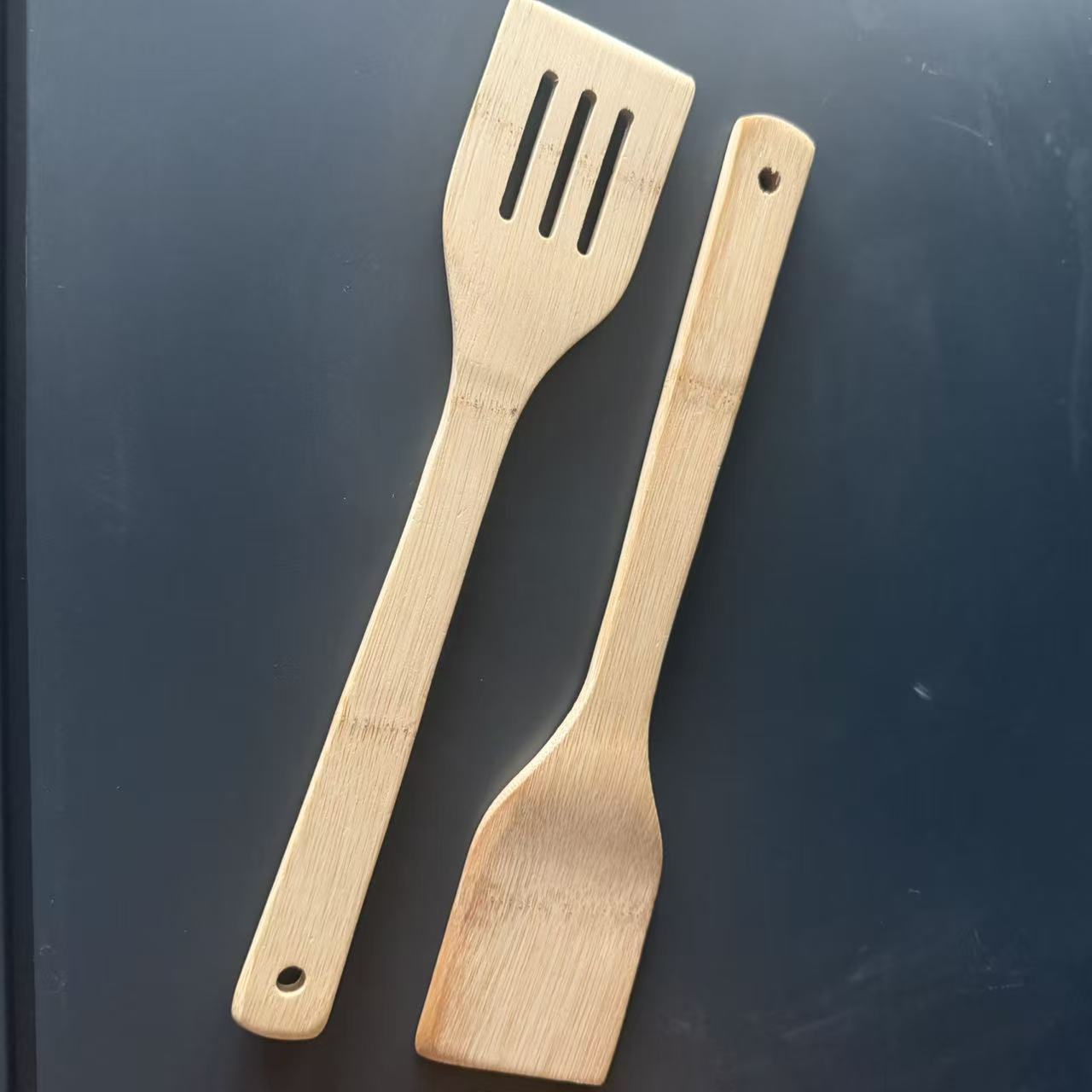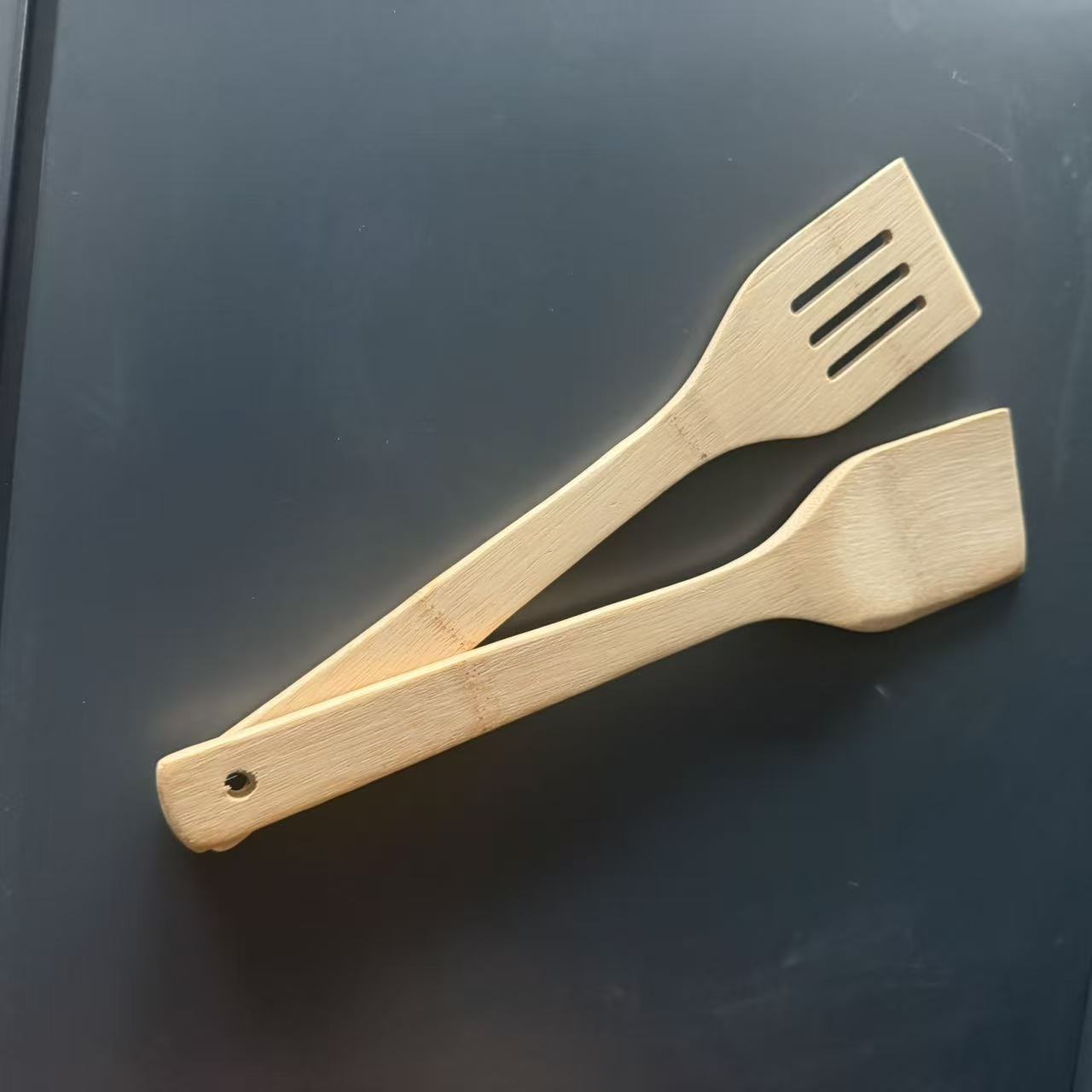
Wooden Cooking Spatula | OEM/ODM Wholesale Supplier

Welcome to our store!Black Friday Sale!

showlist/wooden-cooking-spatula, showlist/wooden-cooking-spatula, 
Inquiry
Inquiry
Customer Reviews of Wooden Spoons for Cooking

Customer Reviews of Wooden Spoons for Cooking

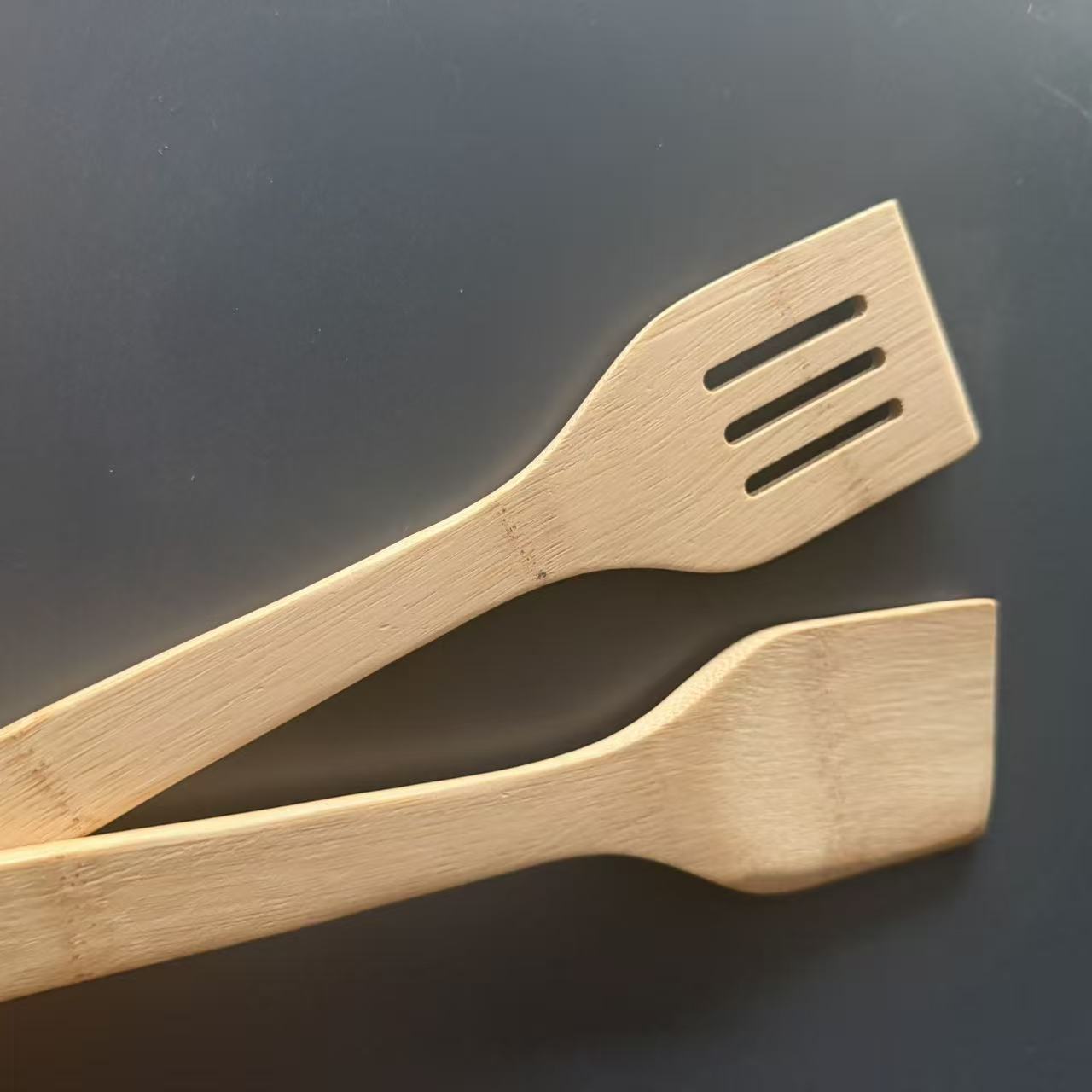
A wood spoon for cooking is a versatile kitchen essential for stirring sauces, mixing ingredients, folding vegetables, and serving prepared dishes. Its natural surface offers a comfortable grip and is less likely to scratch many nonstick cookware coatings than metal utensils when properly finished and used carefully. Different bowl shapes and handle lengths can accommodate shallow pans, deep pots, and everyday mixing bowls. Kangyi Wood Products supports wholesale buyers and private-label brands with customization options for dimensions, wood selection, surface finish, and packaging. Whether developing a household utensil range or a coordinated kitchenware collection, buyers can specify product requirements to match their intended applications, target customers, and retail positioning.
Get A Quote

Case Study

Everyday Cooking Spoons for Homeware Retailers

A homeware retailer wanted practical wooden cooking spoons that would complement its existing spatulas, cutting boards, and serving utensils. The product selection focused on comfortable handles, smoothly finished surfaces, and bowl shapes suited to stirring soups, sauces, and vegetables. Natural wood tones helped create a consistent appearance across the collection, while different spoon dimensions offered flexibility for various cooking tasks. Kangyi Wood Products can discuss material options, handle profiles, dimensions, and packaging requirements for similar projects. These specifications help retailers build a cohesive kitchen utensil assortment for online stores, specialty shops, and household goods distributors.

Private-Label Spoons for Kitchenware Brands

A private-label kitchenware brand needed wooden spoons that reflected its focus on functional design and natural materials. The development brief included balanced proportions, smooth edges, and a finish aligned with the brand's existing wooden accessories. Buyers could evaluate different spoon lengths, bowl shapes, and branding placements to create a distinctive retail product. Coordinated packaging could also support gift sets and bundled kitchen utensil collections. For comparable projects, Kangyi Wood Products can review product references, estimated order quantities, and target-market requirements before discussing feasible customization options and production specifications for the planned collection.

Coordinated Wooden Utensils for Wholesale Distribution

A kitchenware distributor planned to expand its wooden utensil assortment with cooking spoons that matched existing spatulas and turners. The project emphasized consistent material appearance, practical handle dimensions, and a smooth surface suitable for routine kitchen use. Offering complementary utensil styles gave the distributor more flexibility when assembling product bundles for retailers and online sellers. Kangyi Wood Products can discuss coordinated designs, finish specifications, logo options, and packaging formats to help wholesale buyers plan their collections. Clear product specifications and sample evaluation can establish expectations for appearance and workmanship before larger orders proceed.

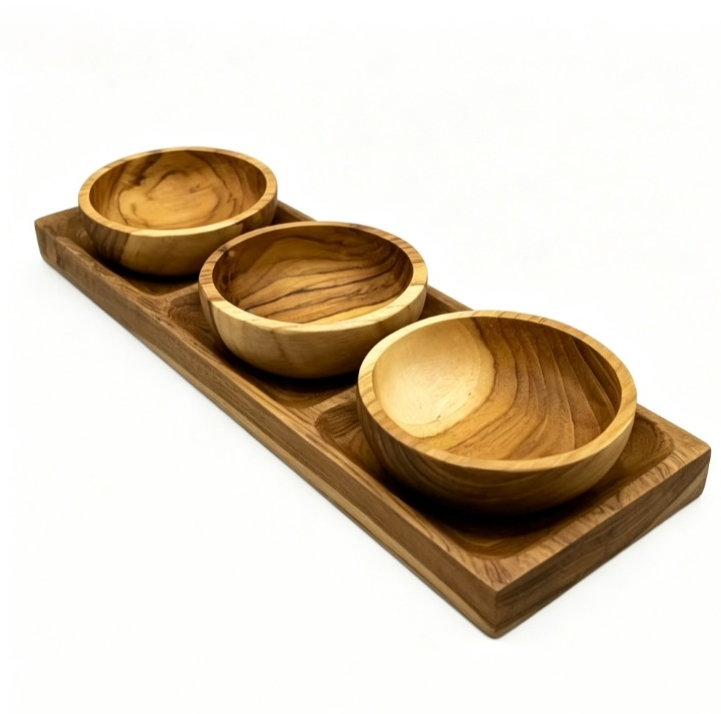
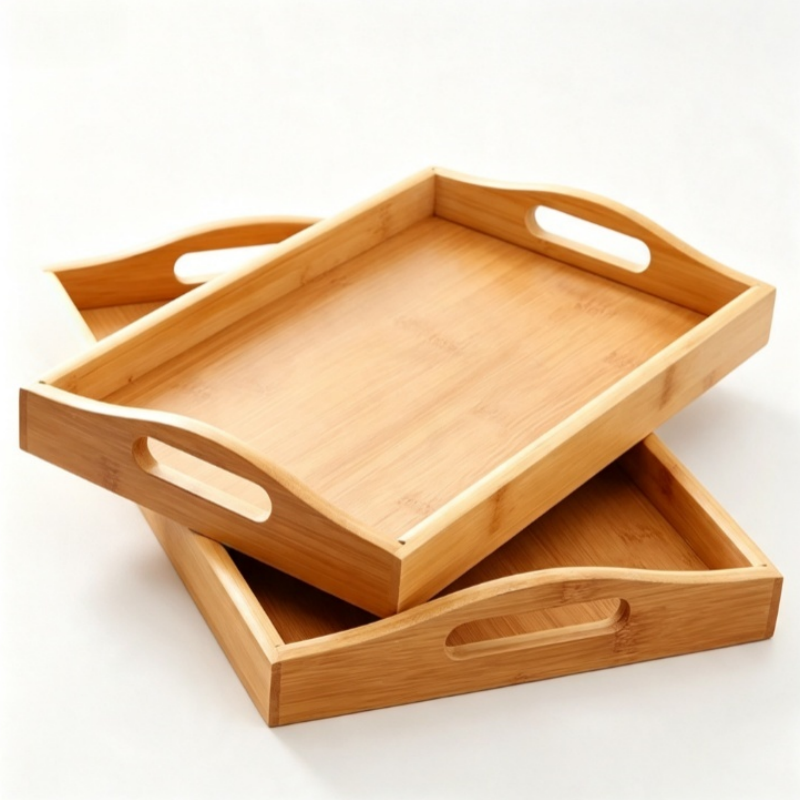
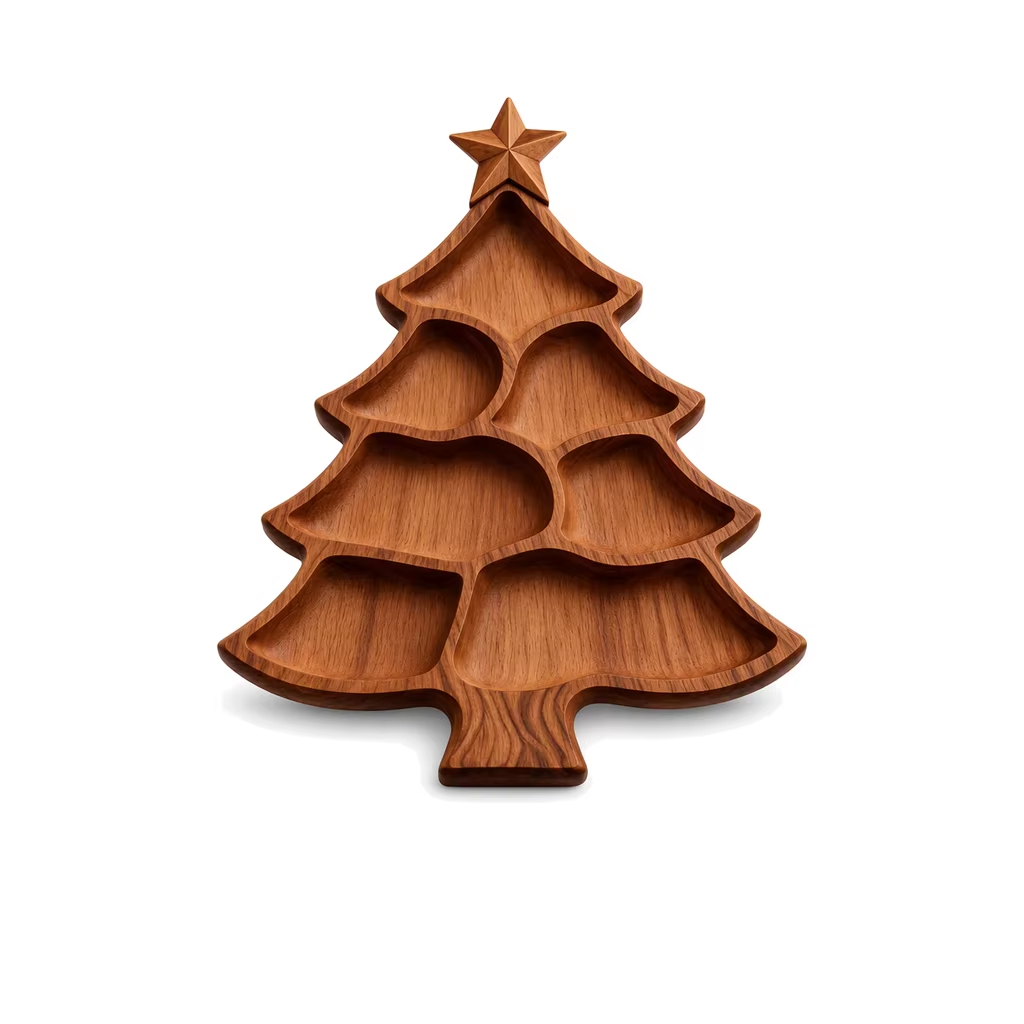
A wooden spoon is a kitchen utensil that can be used for stirring, mixing and serving, as well as other tasks. The shape of a spoon determines what it can be used for. Spoons can be used for making soups and sauces, and for preparing vegetables, rice dishes and batter. Kangyi Wood Products offers kitchenware to importers, retailers, distributors and private label customers. Customers can discuss the type of wood used, size of the spoon bowl, shape and size of the spoon handle, surface treatment of the spoon, and the placement and type of logo, among others, based on their market needs. While manufacturing the product, considerations need to be made for the shape and size of the spoon, and the type of surface treatment. A product range may include cooking spoons, slotted spoons, spatulas and turners. This gives a brand the opportunity to develop kitchenware in line with the products already present in the market. When taking a commercial order, it is important to agree on the type of material to be used, product samples, quality expectations and food contact requirements to ease the purchasing decision. Care instructions for the product should also be provided, to help customers understand how to use the product, clean it, and take care of it.

Frequently Asked Questions

What can a wooden cooking spoon be used for?

Wooden cooking spoons are suitable for stirring sauces, mixing ingredients, folding vegetables, and serving prepared foods. Different bowl shapes and handle lengths suit different cookware sizes and cooking tasks, making them versatile additions to household kitchens and professional food preparation environments.
Customization may include spoon dimensions, bowl shapes, handle profiles, wood species, surface finishes, logos, and packaging, depending on manufacturing capabilities. Buyers should provide specifications, estimated quantities, and destination-market requirements so the manufacturer can assess feasibility and prepare an appropriate quotation.
Properly finished wooden spoons are generally suitable for many nonstick pans because they are less likely to scratch the coating than metal utensils when used carefully. Avoid rough or damaged surfaces and follow the cookware manufacturer's instructions to maintain the pan's protective coating.
Handwash wooden cooking spoons with mild detergent and warm water, then dry them thoroughly. Avoid prolonged soaking and generally avoid dishwashers unless the manufacturer confirms compatibility. Following suitable care instructions helps reduce moisture damage, cracking, and warping during regular kitchen use.
Importers should confirm material specifications, spoon dimensions, finish quality, packaging, minimum order quantities, and production lead times. Reviewing samples and checking applicable food-contact requirements for the destination market can help buyers assess product suitability before approving bulk production.

Related article

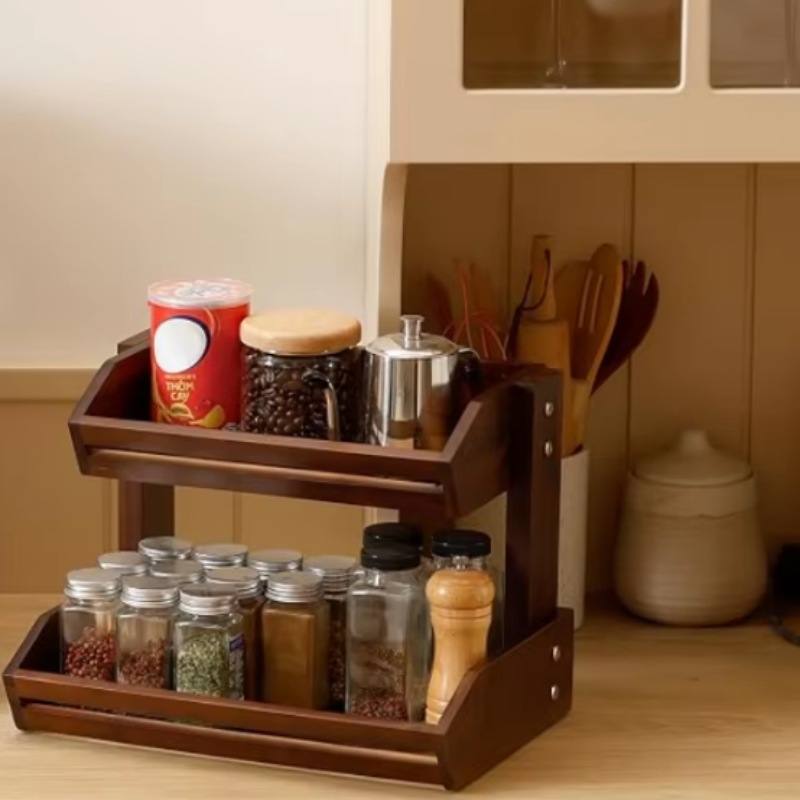
Wooden Storage Rack Materials and Load Capacity Explained.

27

Oct

Wooden Storage Rack Materials and Load Capacity Explained.

Understand wooden storage rack materials, shelf span, joints, and load capacity so you can specify a safer, more dependable shelving system.
View More
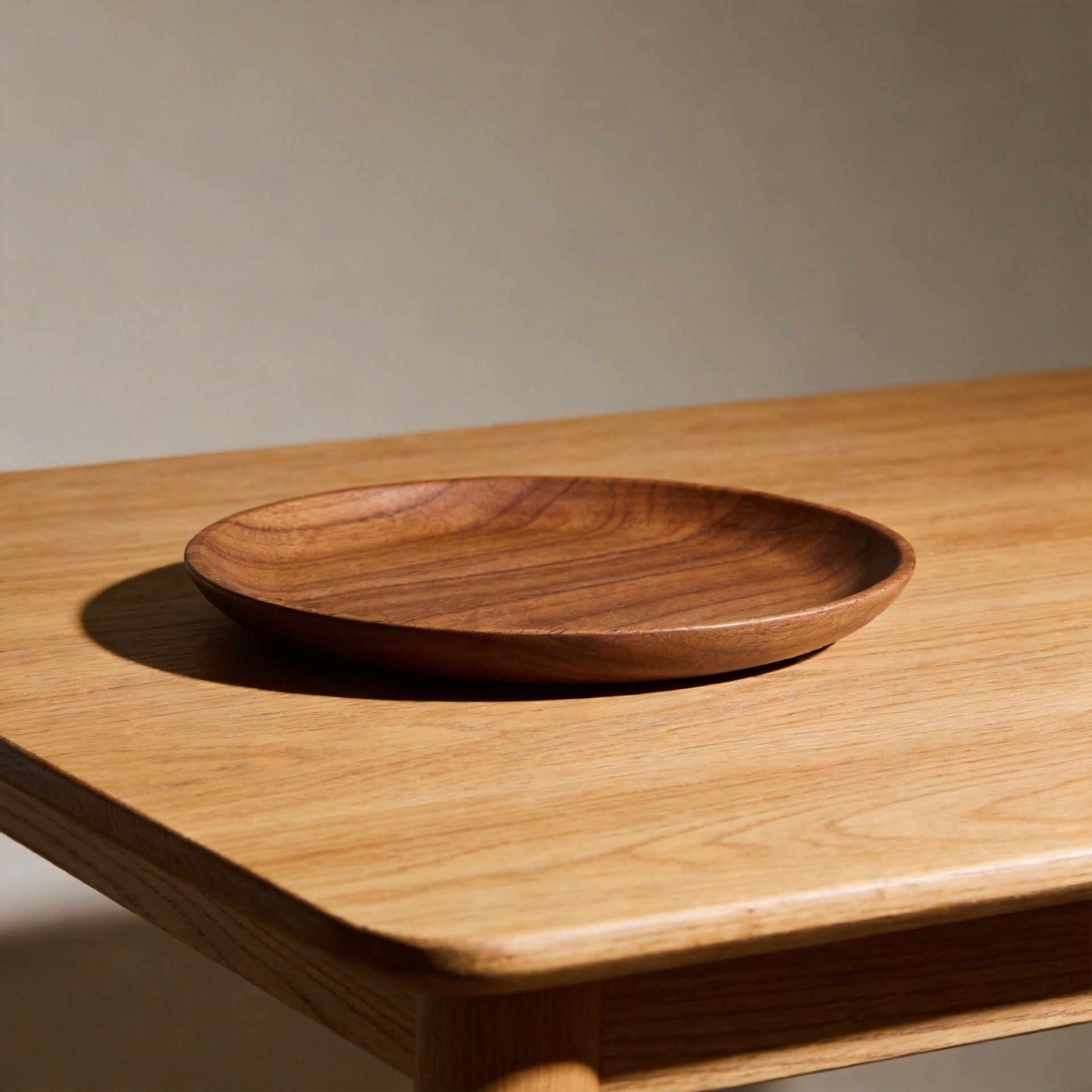
What Factors Determine the Quality of a Wooden Dinner Plate?

27

Oct

What Factors Determine the Quality of a Wooden Dinner Plate?

Learn what determines Wooden dinner plate quality, from wood grain and plate thickness to food grade finish checks and supplier QC.
View More
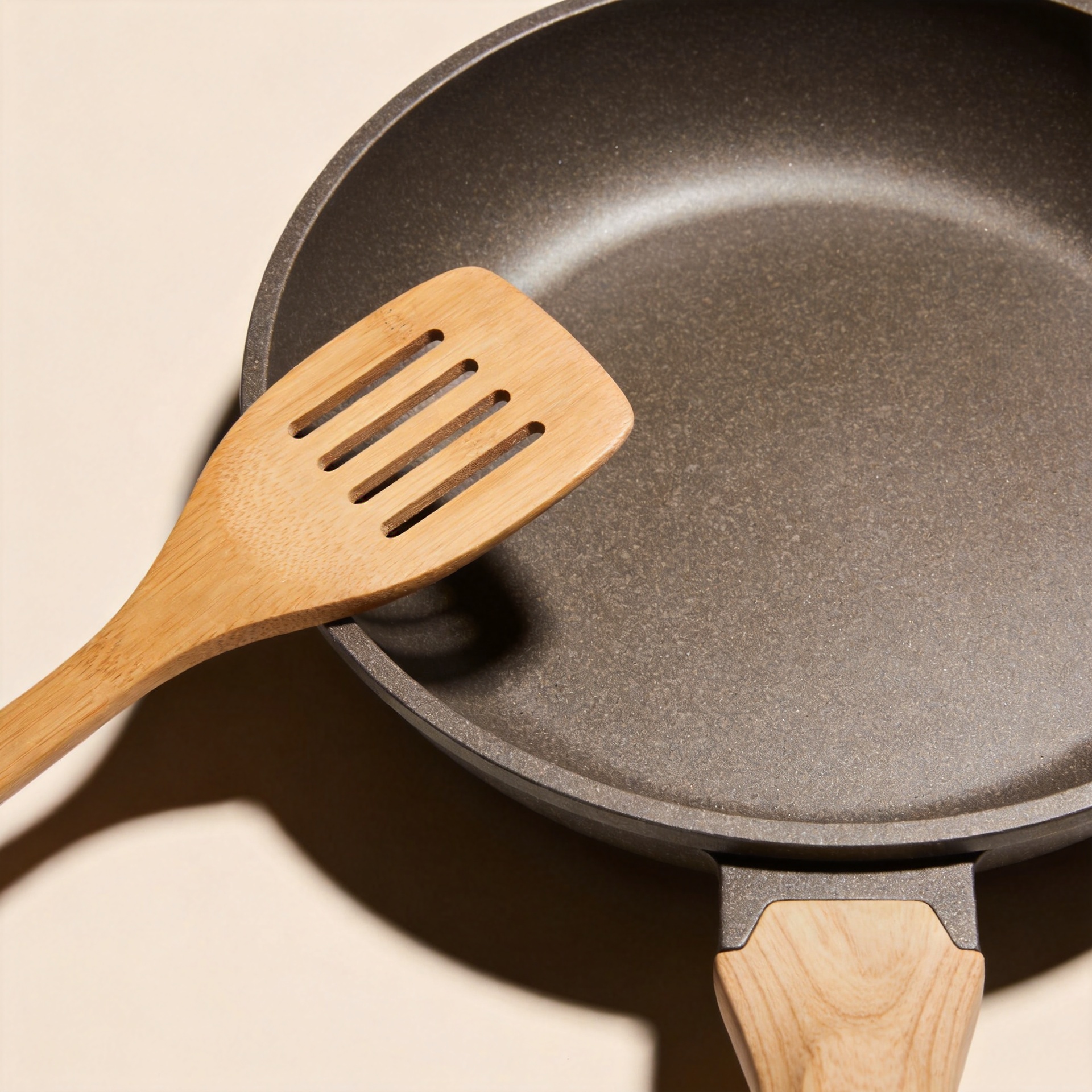
Why Are Wooden Spatulas Suitable for Nonstick Cookware?

28

Oct

Why Are Wooden Spatulas Suitable for Nonstick Cookware?

Learn why a wooden spatula suits nonstick cookware and how to choose, use, and care for it with confidence.
View More
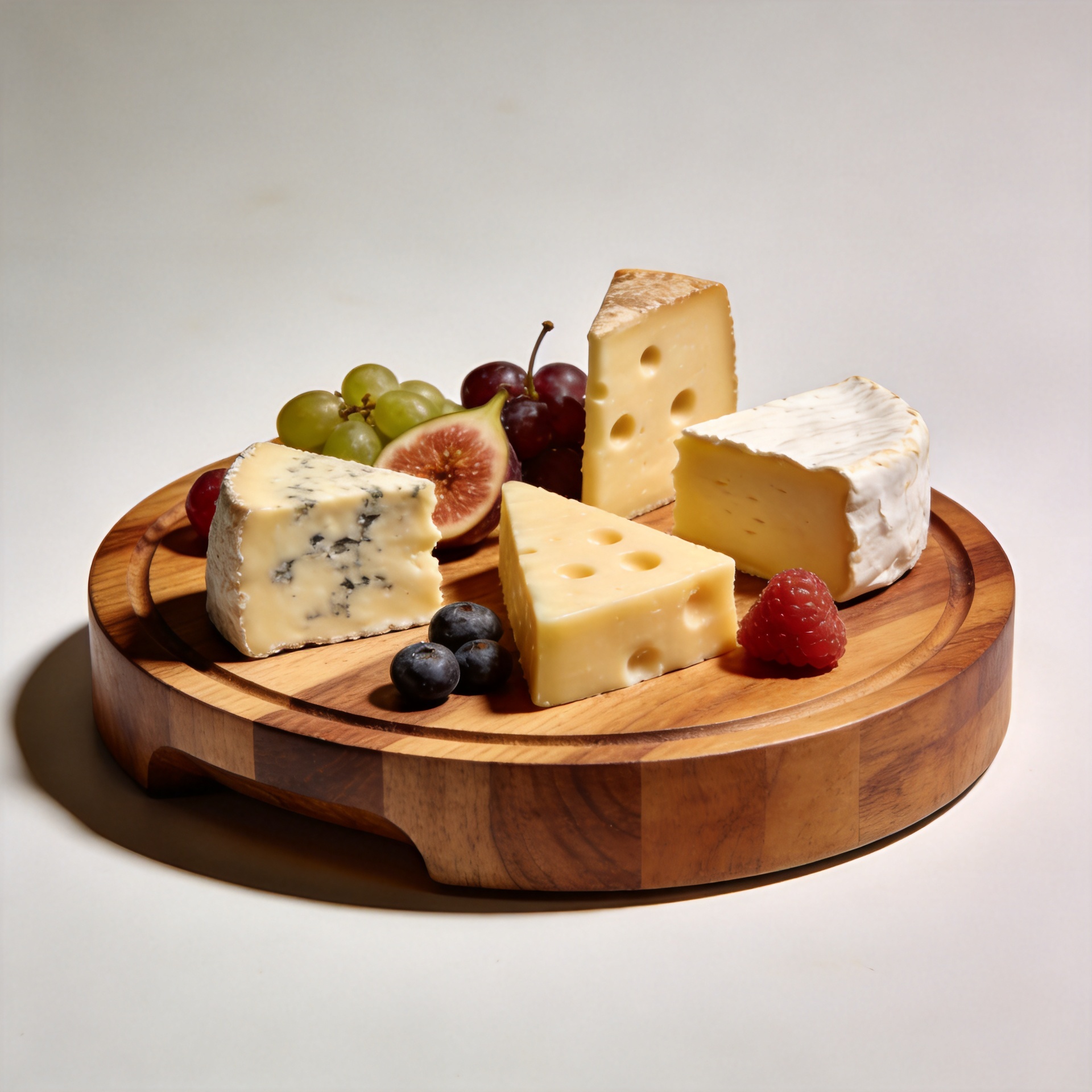
Why Are Wooden Cheese Boards Popular in Hospitality?

28

Oct

Why Are Wooden Cheese Boards Popular in Hospitality?

Discover why a wooden cheese board helps restaurants, hotels, and caterers elevate food presentation with practical buying guidance.
View More

Customer Testimonials

Daniel Brooks

Our wooden cooking spoons complement our kitchenware collection with a natural finish and practical design. Customers appreciate their comfortable handles for stirring sauces, mixing ingredients, and preparing daily meals.

Emily Carter

We added wooden cooking spoons to our private-label range. The customizable shapes, smooth surfaces, and coordinated finishes helped us develop a cohesive collection for homeware retailers.

Get a Free Quote

Our representative will contact you soon.
0/1000
Versatile Spoon Designs for Different Cooking Applications

Versatile Spoon Designs for Different Cooking Applications

Different cooking tasks call for different spoon shapes, depths, and handle lengths. A rounded bowl can help stir sauces and soups, while a flatter profile may be useful for mixing ingredients in shallow cookware. Kangyi Wood Products can discuss these design variables with buyers developing wooden utensils for homeware retail, hospitality supply, and private-label collections. Material selection and surface finishing also influence the product's appearance, handling, and care requirements. By defining intended applications and target dimensions before production, buyers can select more suitable specifications for their customers. Coordinated spoon designs can also complement wooden spatulas, turners, and serving utensils, creating a consistent assortment for kitchenware retailers and distributors.
OEM and ODM Support for Wooden Kitchenware Collections

OEM and ODM Support for Wooden Kitchenware Collections

For international kitchenware brands, product differentiation often depends on design consistency, practical specifications, and clear retail presentation. Kangyi Wood Products supports customization discussions for wooden cooking spoons, including dimensions, bowl profiles, handle shapes, wood appearance, branding, and packaging, subject to project requirements. A retailer may choose a simple natural finish for everyday utensils, while a private-label collection may require coordinated details across several products. Buyers can share reference images, estimated order quantities, target pricing, and destination-market requirements to clarify the project scope. Reviewing specifications and samples before bulk production helps align expectations for product appearance and workmanship, supporting more consistent purchasing decisions across wholesale and retail channels.