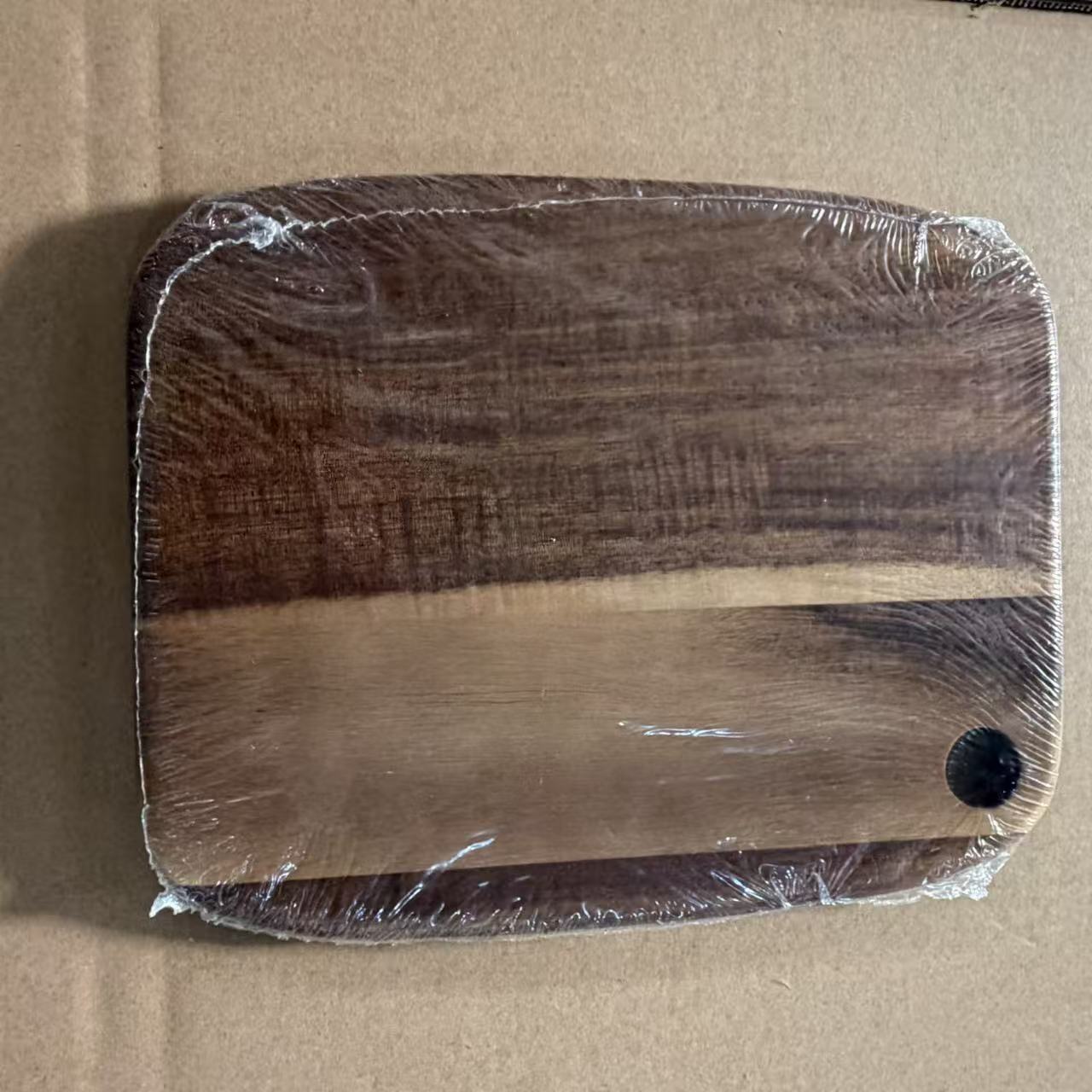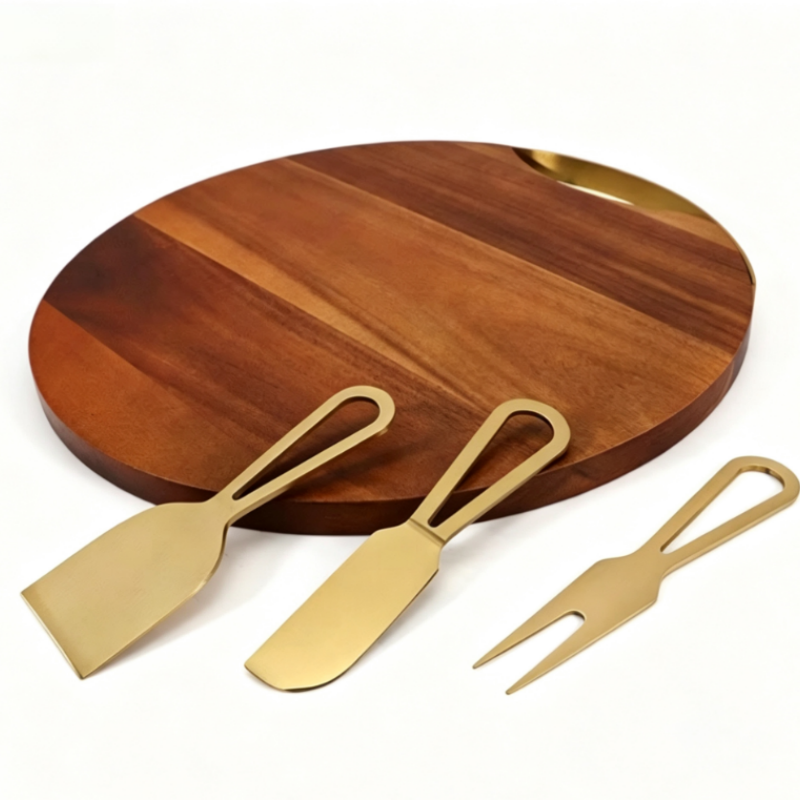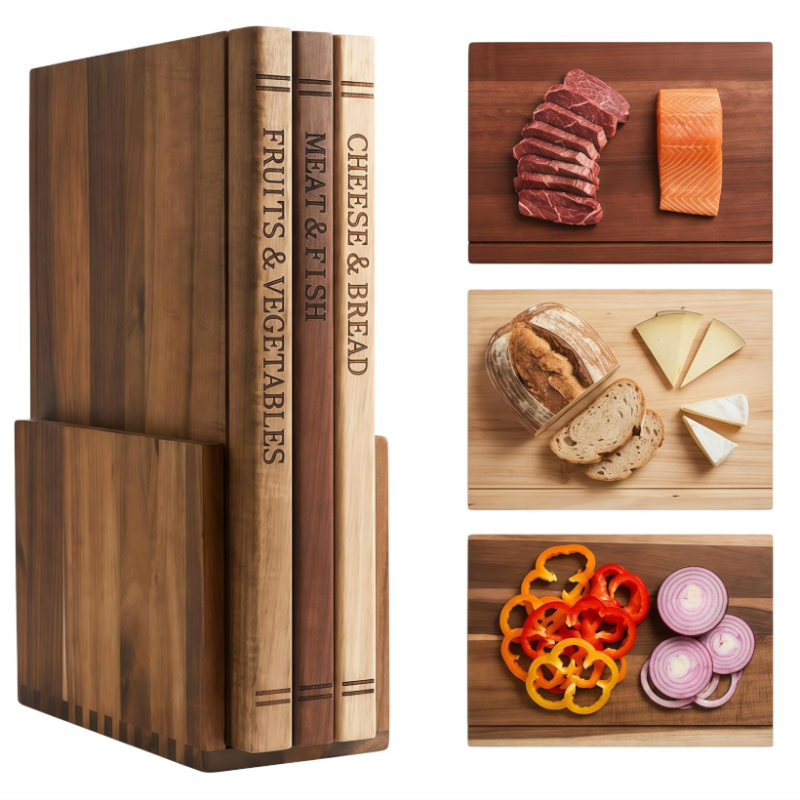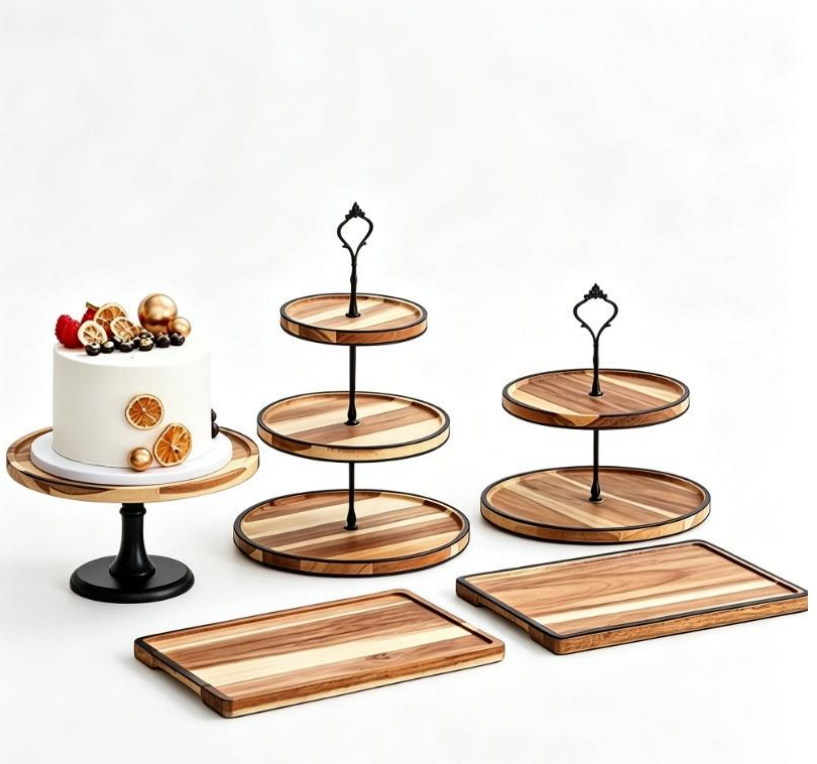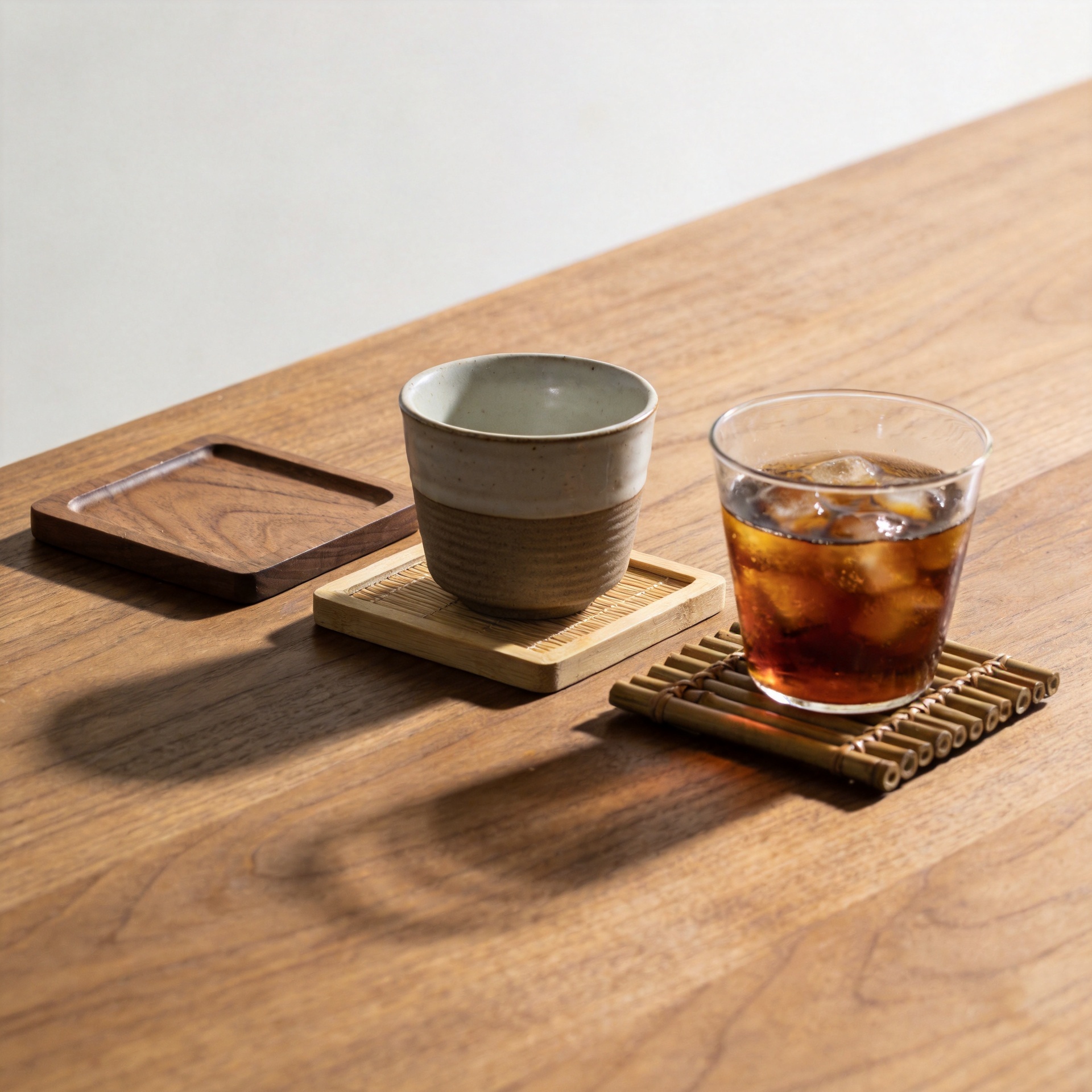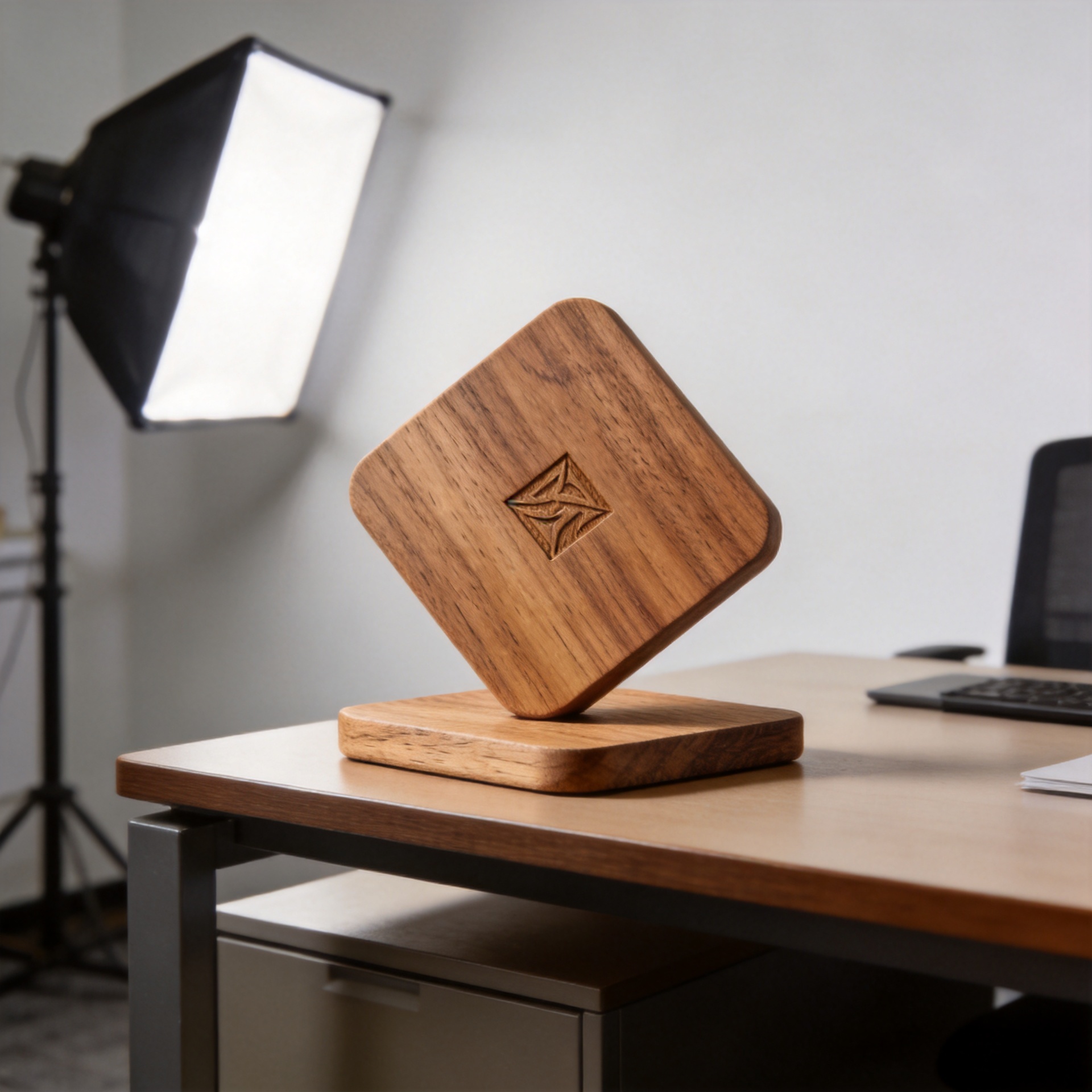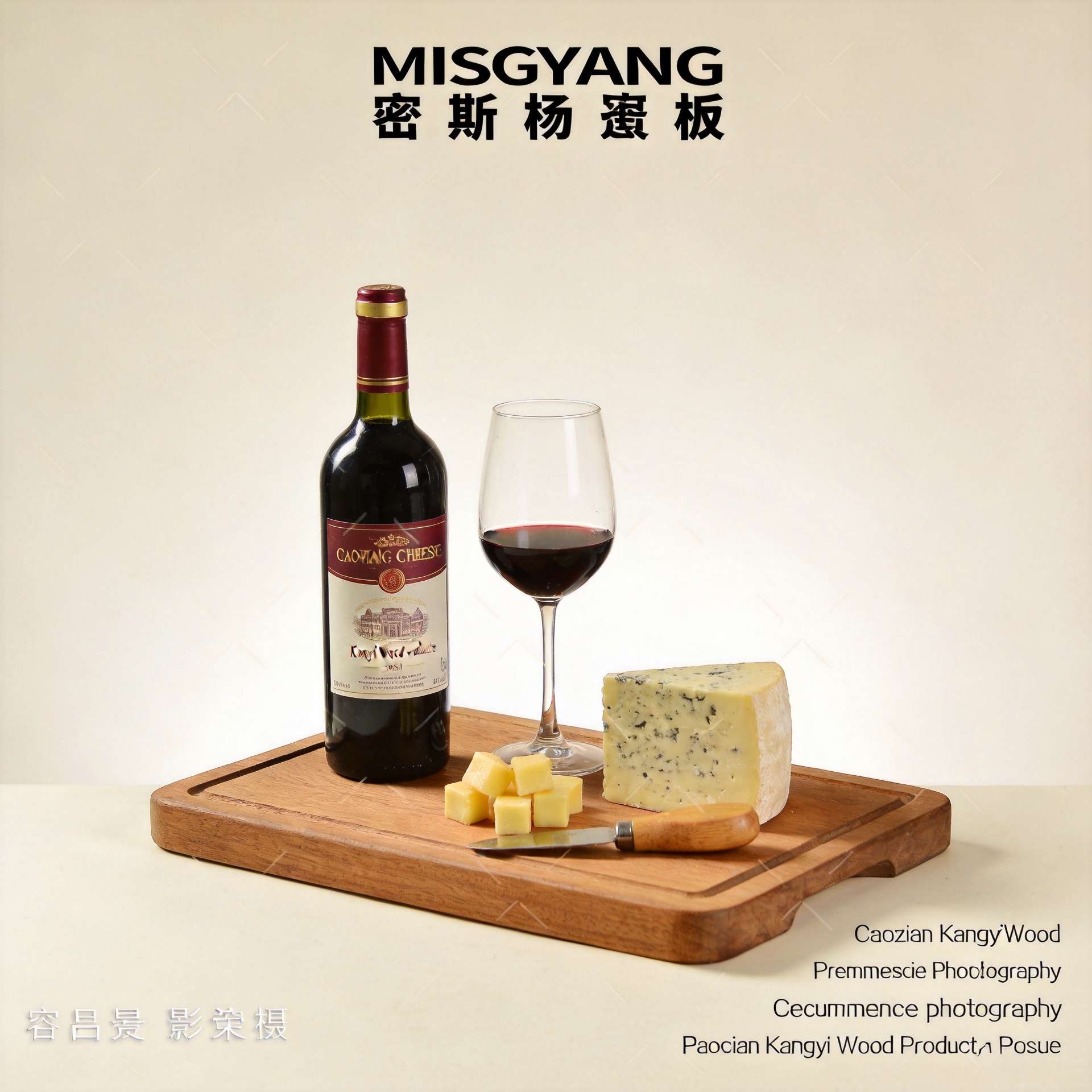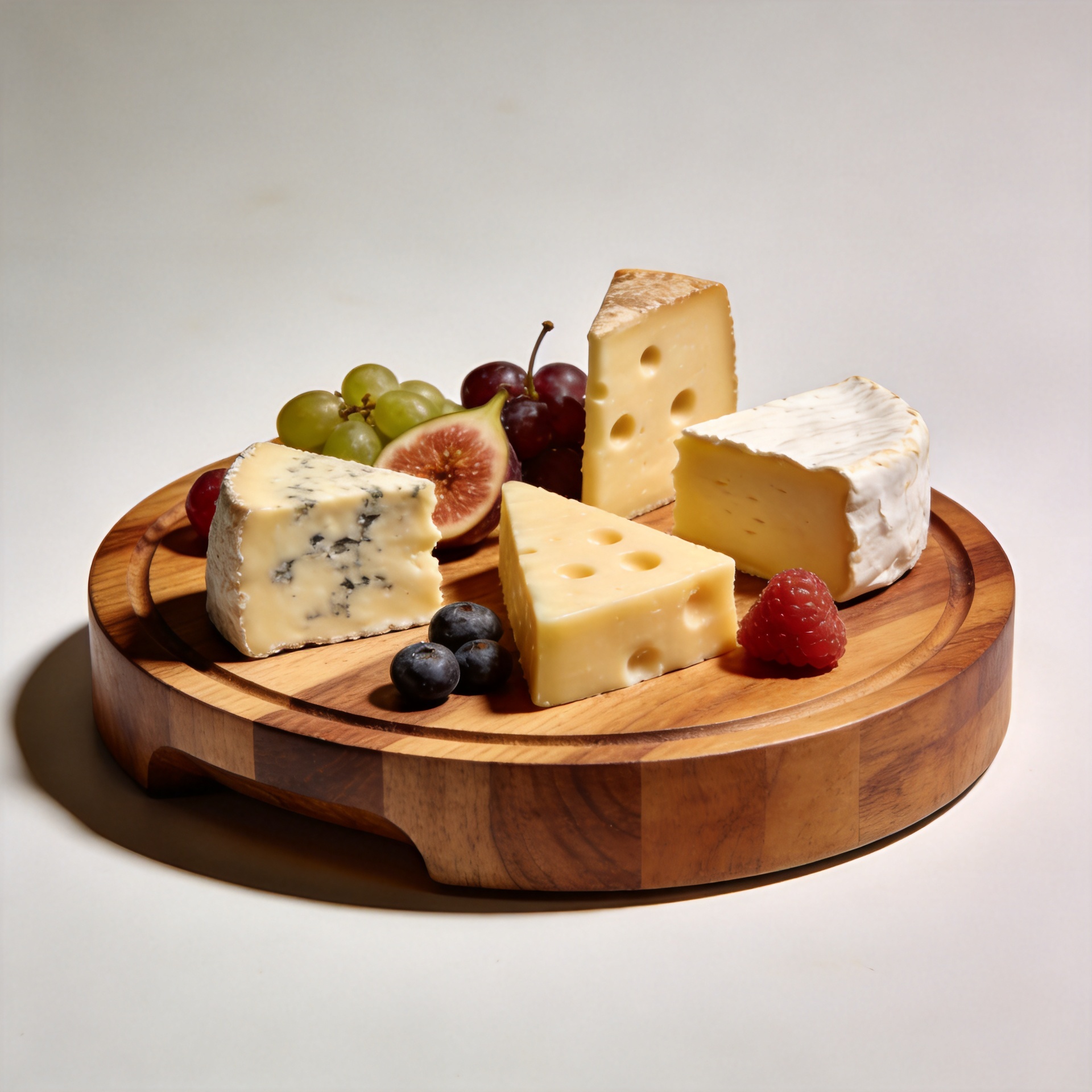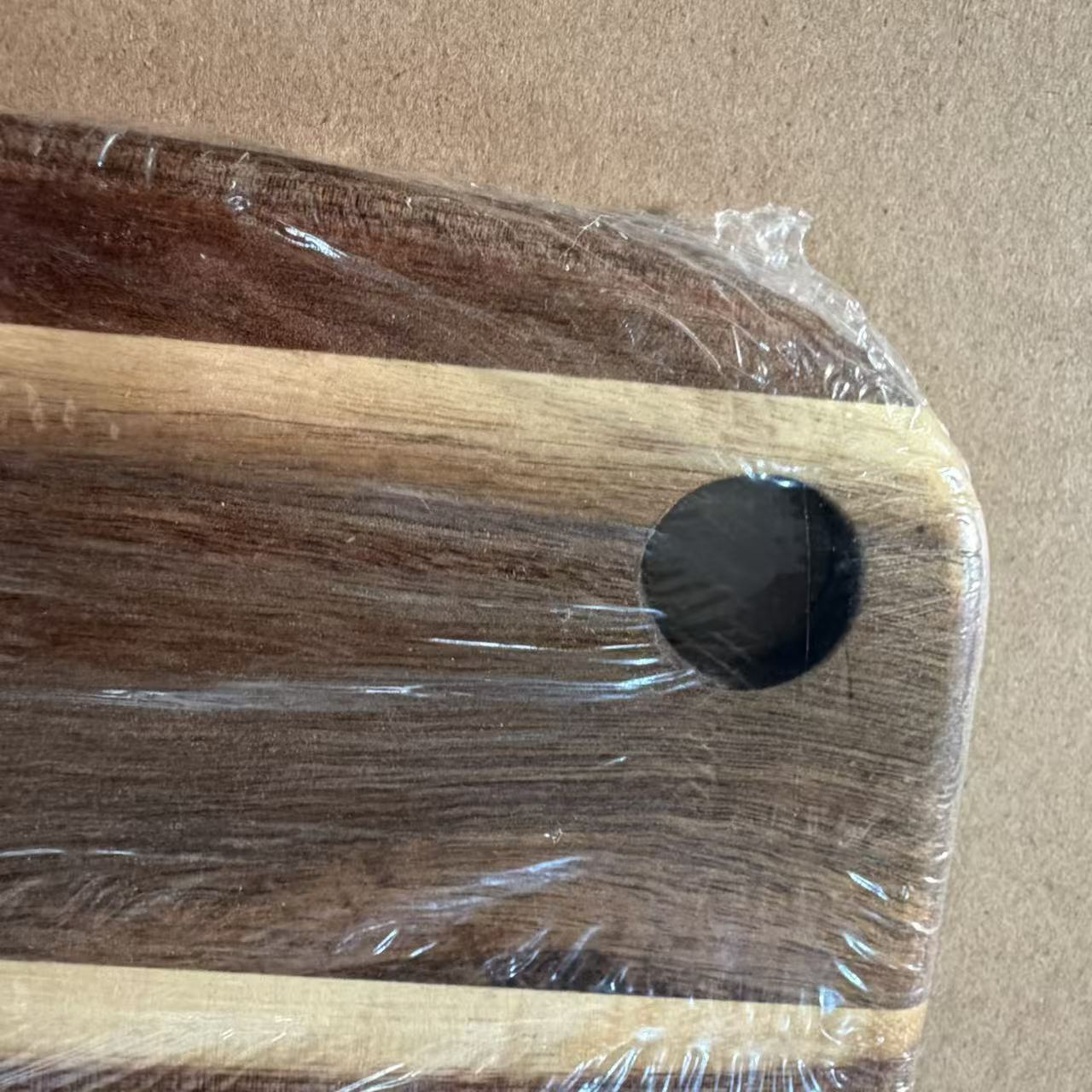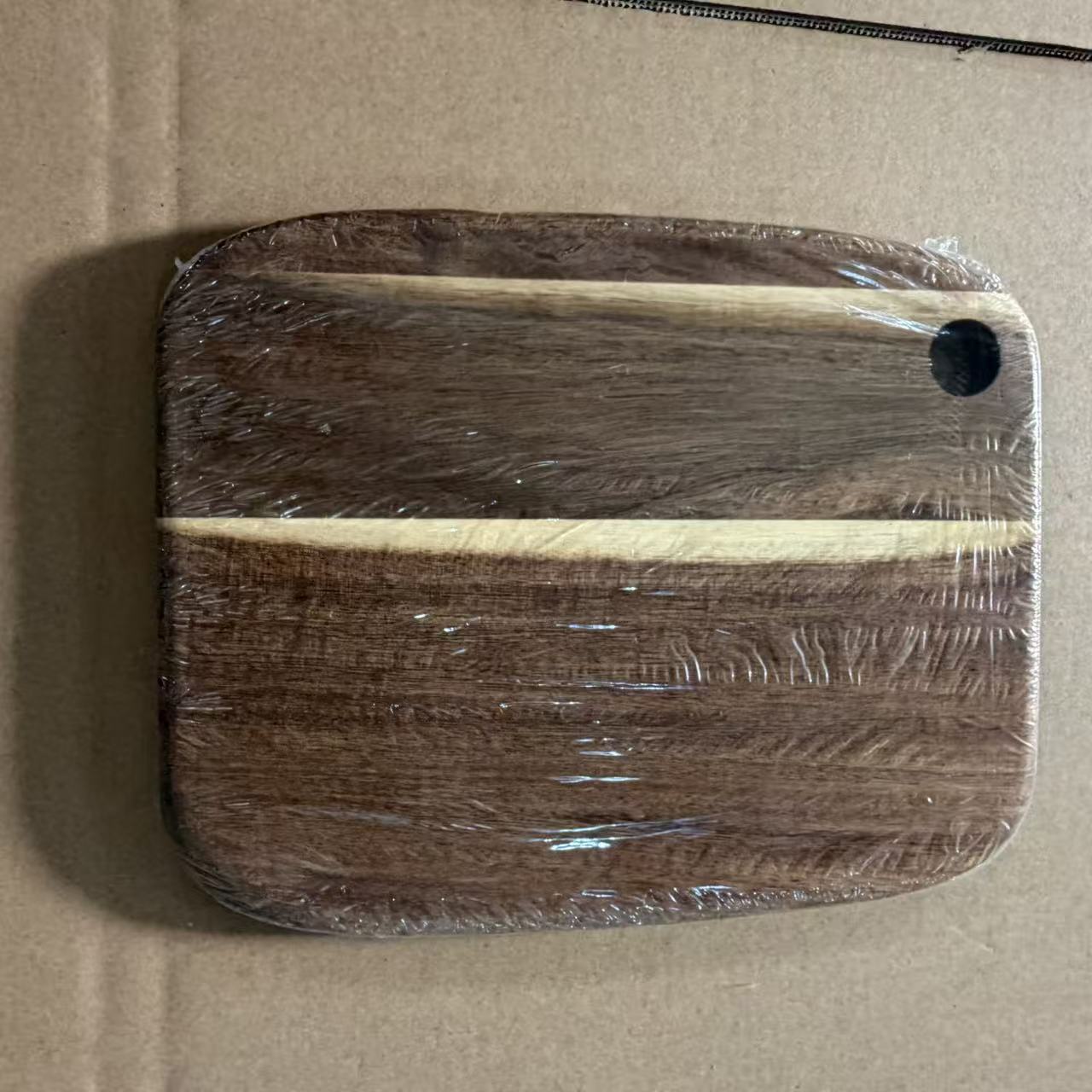
Walnut cutting boards stand out for their rich brown color, distinctive grain, and versatile appearance. They can complement contemporary kitchens, traditional interiors, gourmet food preparation areas, and premium gift collections. Their natural aesthetic also makes them suitable for coordinated product ranges featuring serving trays, wooden utensils, and other kitchen accessories. Producing a quality walnut board involves careful timber selection, appropriate moisture control, precise cutting, edge shaping, sanding, and suitable surface finishing. These steps help create a smooth, attractive product while supporting dimensional stability. Because walnut is a natural hardwood, individual boards will vary in grain pattern and color. Buyers should confirm the wood specification, finish, and food-contact suitability before ordering. For importers, wholesalers, retailers, and private-label brands, customization can include dimensions, thickness, handles, juice grooves, engraved logos, and packaging, depending on production capabilities.