Wooden Cutlery Set Wholesale | Premium Acacia & Walnut Knife Sets

Welcome to our store!Black Friday Sale!

showlist/cutlery-set-wood, showlist/cutlery-set-wood, 
Inquiry
Inquiry
Customer Reviews of Wooden Cutlery Sets

Customer Reviews of Wooden Cutlery Sets

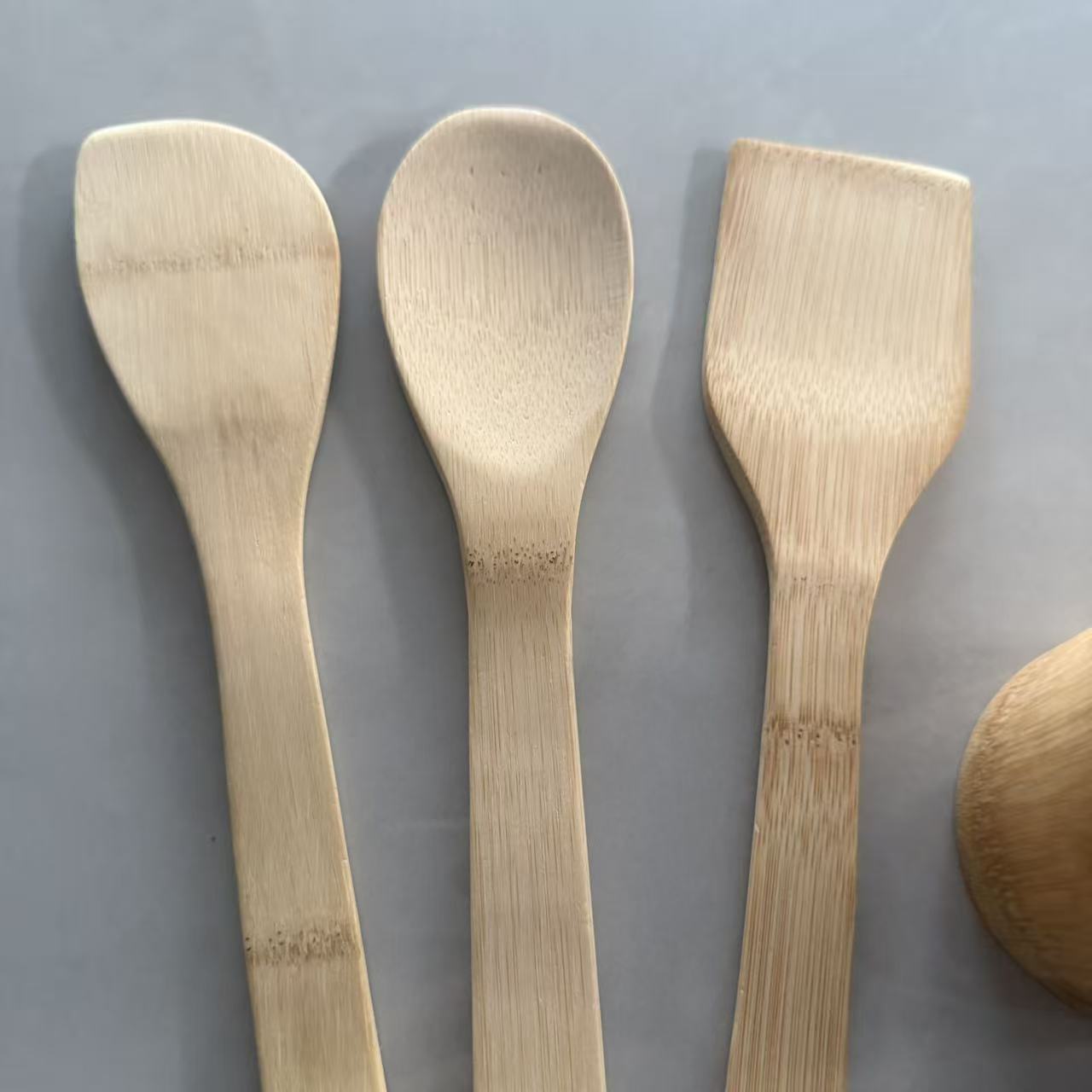
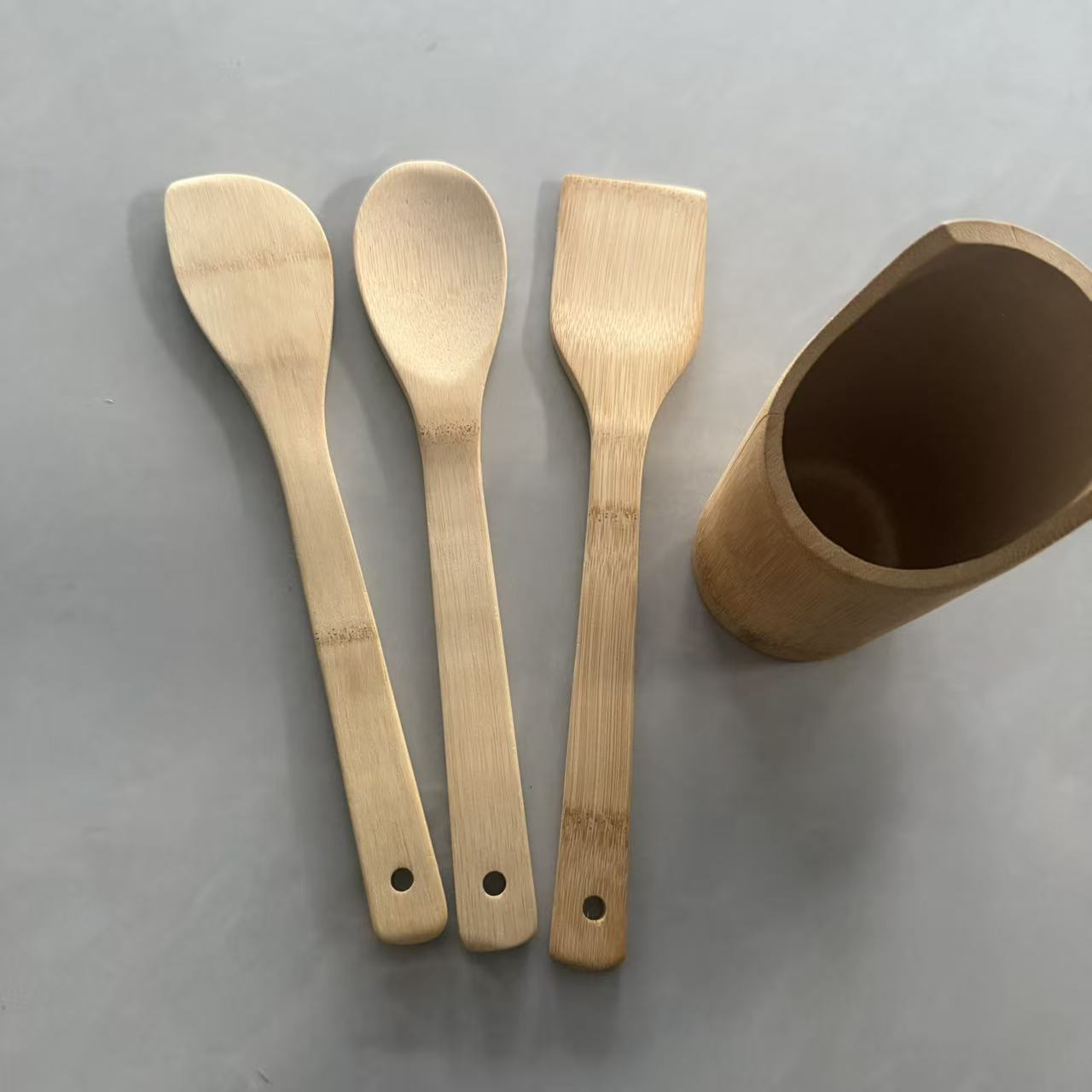
A wood cutlery set offers a distinctive natural appearance for everyday dining, outdoor meals, hospitality service, and gift collections. Depending on the configuration, sets may include spoons, forks, knives, or serving utensils designed around specific customer needs. Wooden pieces bring warmth to table settings and coordinate easily with wooden bowls, trays, and kitchen accessories. Kangyi Wood Products supports wholesale buyers exploring customized specifications, including material selection, piece combinations, dimensions, finishes, branding, and packaging. Retailers can develop coordinated collections for homeware stores, online shops, and specialty gift outlets. Buyers should evaluate workmanship, surface smoothness, durability, and suitability for the intended food-contact application before confirming orders.
Get A Quote

Case Study

Wooden Cutlery Sets for Homeware Retailers

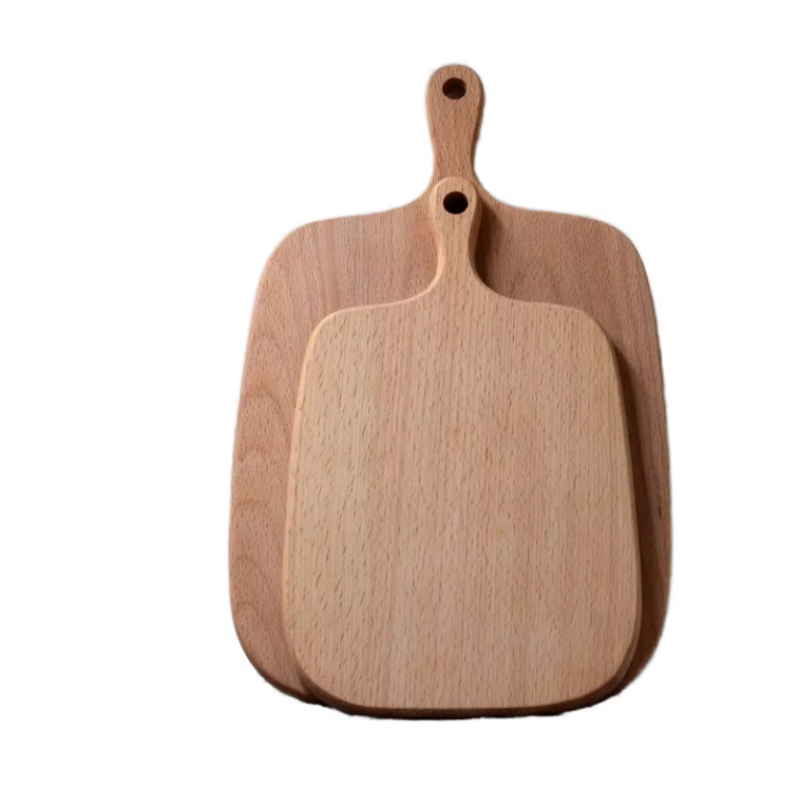
Homeware retailers can add wooden cutlery sets to collections featuring natural materials and coordinated table accessories. A set containing selected spoons, forks, and other utensils can serve customers looking for distinctive dining products or thoughtful gifts. For example, a lifestyle retailer may pair wooden cutlery with matching serving boards and bowls to create a consistent presentation. Buyers should compare piece configurations, dimensions, finish quality, and packaging options before choosing a range. Clear product descriptions help customers understand the contents and intended use of each set. Coordinated designs can also support cross-selling across dining, kitchenware, and home entertaining categories.

Private Label Cutlery for Kitchenware Brands

Kitchenware brands can develop private-label wooden cutlery sets around their preferred product style, target customers, and retail positioning. Depending on manufacturing capabilities and order quantities, customization may cover wood species, utensil combinations, surface finishes, logo placement, and packaging. For instance, a brand specializing in natural tableware could coordinate wooden cutlery with matching bowls and serving accessories. Purchasing teams should review production samples to assess smooth edges, comfortable handling, and consistent workmanship. Documented specifications help clarify expectations before bulk manufacturing. Custom packaging and cohesive product presentation can further support brand recognition across online stores, specialty retailers, and wholesale distribution channels.

Wooden Cutlery for Hospitality and Outdoor Dining

Selected hospitality venues, picnic retailers, and outdoor dining businesses may consider wooden cutlery sets for suitable serving situations. Their natural appearance complements rustic tablescapes, catered events, and outdoor dining presentations. Buyers should assess the intended usage, piece strength, handling comfort, cleaning requirements, and relevant food-contact documentation. For example, a picnic goods retailer may prefer compact packaged sets, while a hospitality buyer may prioritize consistent appearance across larger quantities. Wooden cutlery is not automatically disposable, compostable, or suitable for repeated commercial washing; these properties depend on product design and material specifications. Confirming intended use and care requirements helps buyers select an appropriate solution.

A wood cutlery set combines practical dining utensils with the natural character of wood. Depending on the intended application, a set may contain spoons, forks, knives, or selected serving pieces. Buyers can choose configurations for everyday dining, gift collections, outdoor dining products, or coordinated kitchenware assortments. The right combination depends on customer expectations, packaging requirements, and the intended use of each utensil. Kangyi Wood Products develops wooden kitchenware for wholesale customers seeking coordinated product ranges. Buyers can discuss wood selection, piece quantities, dimensions, finishing, branding, and packaging according to project requirements. Sets can be planned alongside wooden bowls, serving trays, chopping boards, and other accessories to create a consistent product presentation. When evaluating samples, purchasing teams should inspect surface smoothness, edge finishing, structural consistency, and handling comfort. Wood is a natural material, so grain and color differences may occur between pieces. Clear material specifications and approved samples help establish realistic quality expectations before production. For products intended for food contact, buyers should request relevant material and finish documentation for the destination market. Packaging should identify the set contents and intended use. Maintenance guidance is also important, especially when products are designed for repeated use. Confirming these details supports more informed wholesale decisions and helps brands align their cutlery sets with retail and distribution requirements.

Frequently Asked Questions

What items can a wooden cutlery set include?

A wooden cutlery set may include spoons, forks, knives, or selected serving utensils, depending on its intended purpose. Some sets focus on everyday dining, while others suit picnics, gifts, or hospitality applications. Buyers should confirm the exact piece count, dimensions, and intended use before ordering.
Customization may include wood selection, utensil combinations, dimensions, surface finish, branding, and packaging, subject to manufacturing capabilities and minimum order quantities. Buyers should provide their target specifications and estimated volume when requesting a quotation. Reviewing samples helps verify workmanship and product appearance before bulk production.
Wooden cutlery sets can suit picnics, camping meals, and outdoor events when designed for the intended conditions. Buyers should check strength, moisture resistance, cleaning instructions, and whether the products are intended for single or repeated use. Suitable packaging can also help protect the utensils during transport and storage.
If the set is designed for reuse, wash the utensils by hand using mild soap and warm water, then dry them promptly. Avoid prolonged soaking and dishwasher cleaning unless the manufacturer confirms suitability. Follow the supplier's care instructions and replace pieces showing cracks, splinters, or significant damage.
Importers should confirm wood species, piece count, dimensions, finish, workmanship, packaging, minimum order quantities, and delivery schedules. For food-contact products, request relevant documentation for the destination market. Buyers should also verify whether the set is reusable or disposable and avoid unsupported environmental claims in product descriptions.

Related article

How to Choose the Best Wooden Storage Rack for Your Space?

27

Oct

How to Choose the Best Wooden Storage Rack for Your Space?

Choose a wooden storage rack with confidence: compare size, shelf layout, stability, finish, and daily storage needs.
View More
Wooden Serving Tray Care Guide for Daily Use.

28

Oct

Wooden Serving Tray Care Guide for Daily Use.

Keep a wooden serving tray looking its best with practical daily cleaning, drying, and conditioning tips for long-lasting use.
View More
Why Are Wooden Cheese Boards Popular in Hospitality?

28

Oct

Why Are Wooden Cheese Boards Popular in Hospitality?

Discover why a wooden cheese board helps restaurants, hotels, and caterers elevate food presentation with practical buying guidance.
View More
Why Is Wooden Home Decoration Popular in Modern Interior Design?

28

Oct

Why Is Wooden Home Decoration Popular in Modern Interior Design?

Discover why wooden home decoration brings warmth, versatility, and thoughtful style to modern interiors and retail assortments.
View More

Customer Testimonials

Daniel Foster

Our customers appreciate the lightweight feel and natural wood appearance. The coordinated cutlery pieces suit casual dining, picnics, and hospitality settings while complementing wooden serving boards and tableware collections.

Emily Carter

Retail buyers value the consistent appearance and flexible packaging options. Wooden cutlery sets fit naturally into eco-conscious kitchenware assortments, gift collections, and lifestyle product ranges for different markets.

Get a Free Quote

Our representative will contact you soon.
0/1000
Coordinated Pieces for Dining and Entertaining

Coordinated Pieces for Dining and Entertaining

A thoughtfully configured wooden cutlery set brings together utensils that suit a specific dining purpose. Sets may be developed for everyday meals, outdoor dining, entertaining, or gift presentation, depending on their contents and construction. Buyers should evaluate the number of pieces, utensil dimensions, handle comfort, and packaging format before selecting a product. A coordinated design can complement wooden serving boards, bowls, and table accessories, helping retailers present a consistent collection. For hospitality and event applications, intended use and replacement requirements should also be considered. Clear product specifications allow purchasing teams to compare options and choose a set aligned with customer expectations and distribution needs.
Natural Materials with Custom Branding Options

Natural Materials with Custom Branding Options

Wooden cutlery offers visible grain and warm tones that can complement rustic, contemporary, and minimalist tableware collections. Different wood selections and finishing choices create distinct visual results, while branding and packaging options can help products align with a retailer's identity. Wholesale buyers should assess sample quality, edge smoothness, handling comfort, and consistency across the proposed set. Since wood is a natural material, variations in grain and color are normal considerations during product approval. Pairing cutlery sets with matching wooden bowls or serving accessories can strengthen collection coherence. For food-contact applications, confirm suitable material documentation and care guidance before placing products on the market.