Decorative Wooden Bowl Wholesale Guide [2024]

Welcome to our store!Black Friday Sale!

showlist/decorative-wooden-bowl, showlist/decorative-wooden-bowl, 
Inquiry
Inquiry
Customer Impressions of Decorative Wooden Bowls

Customer Impressions of Decorative Wooden Bowls

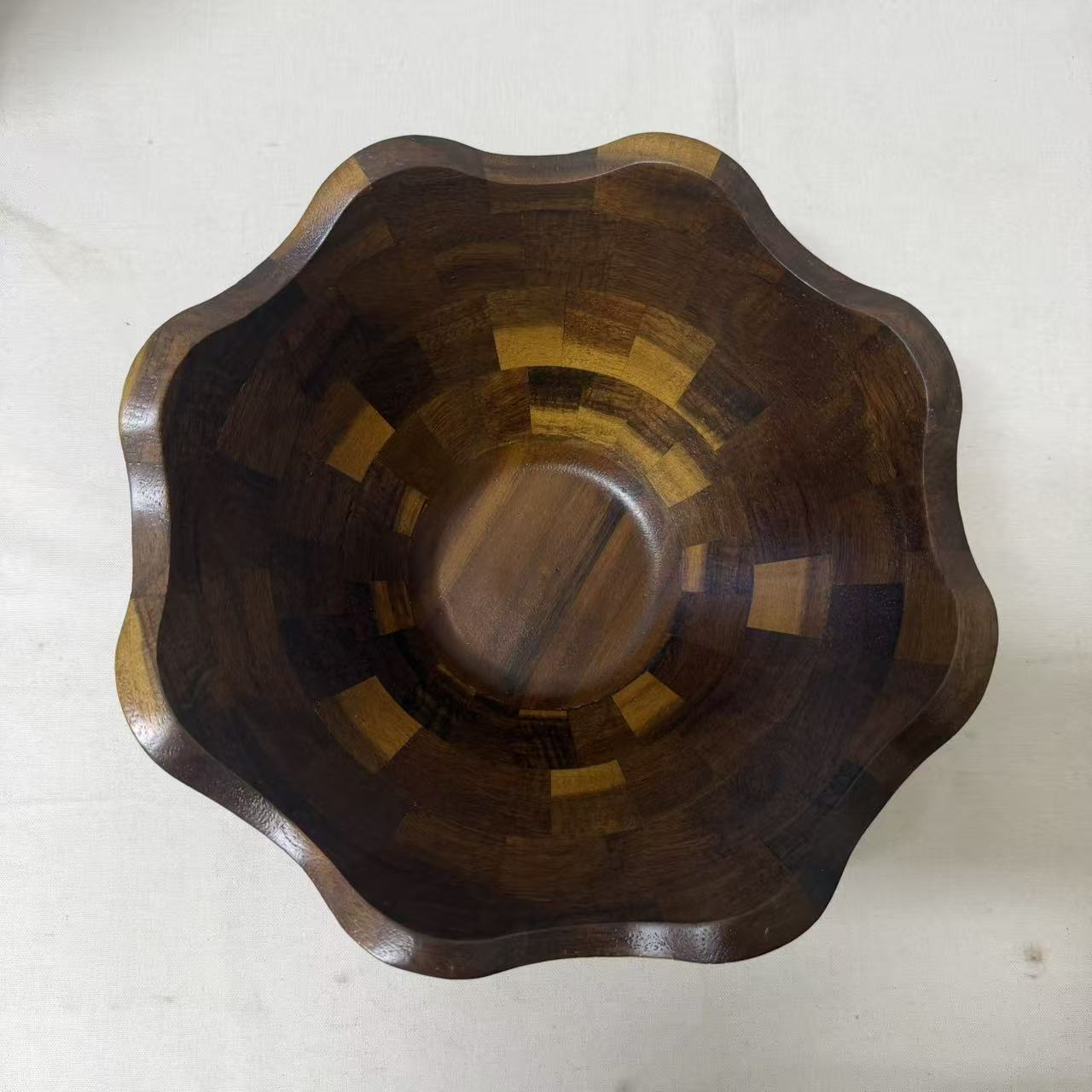
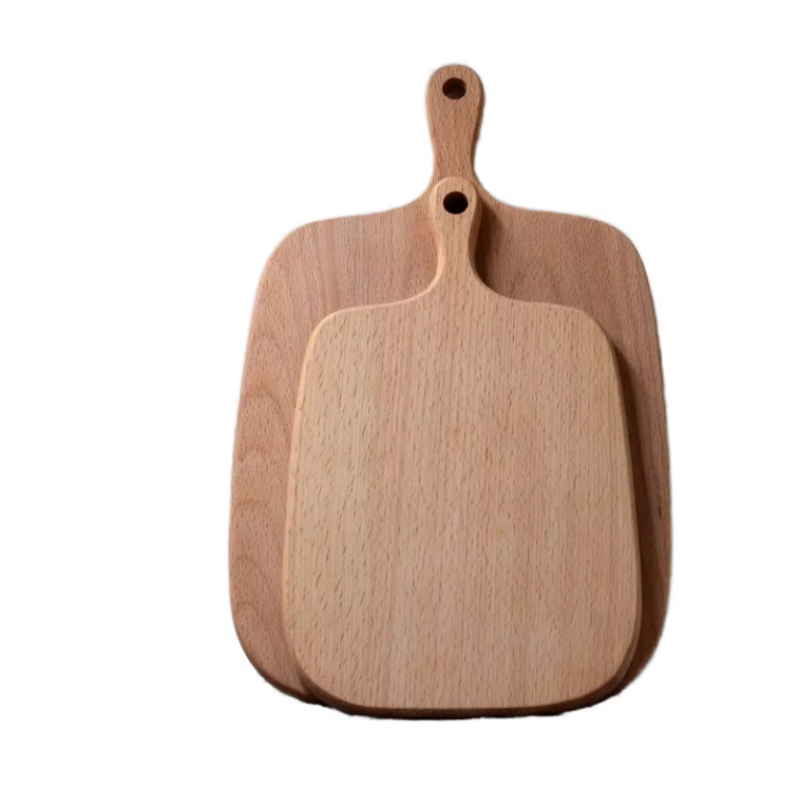
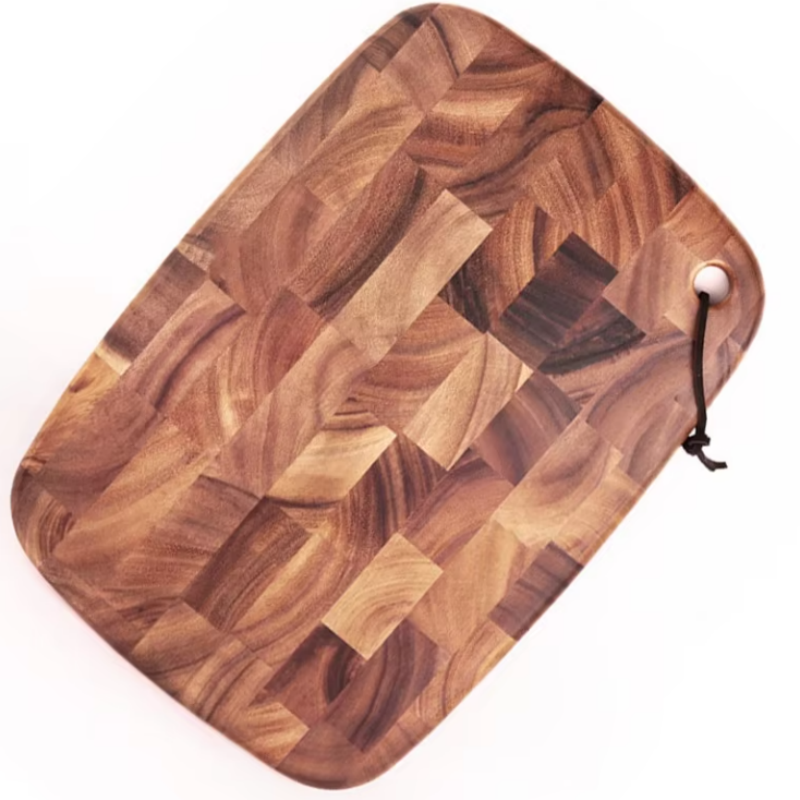
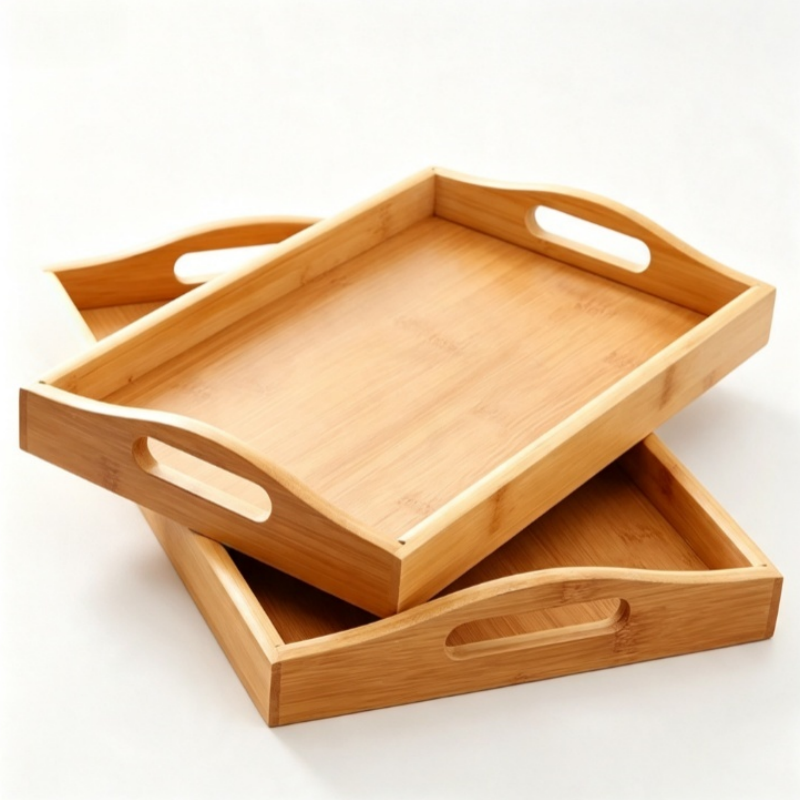
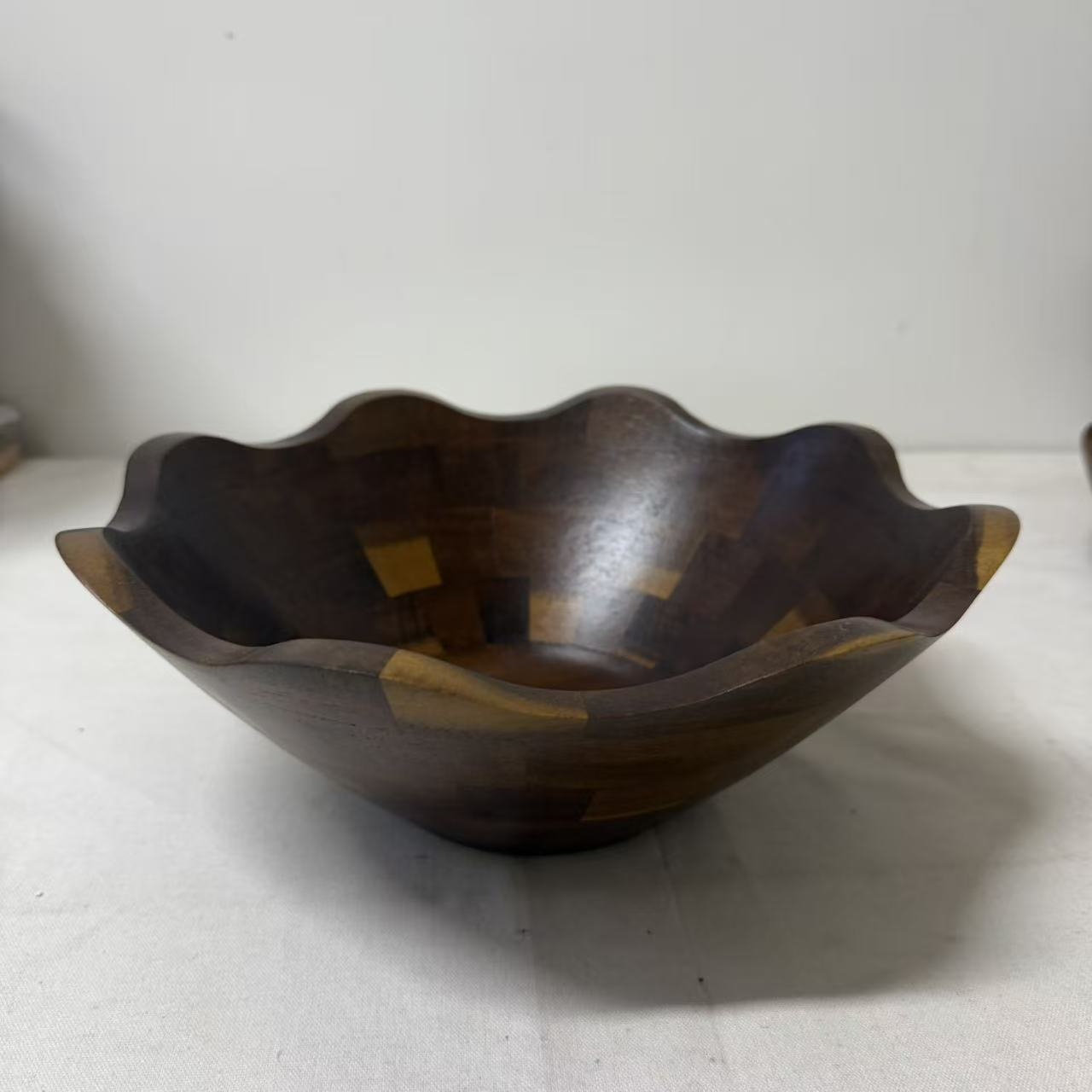
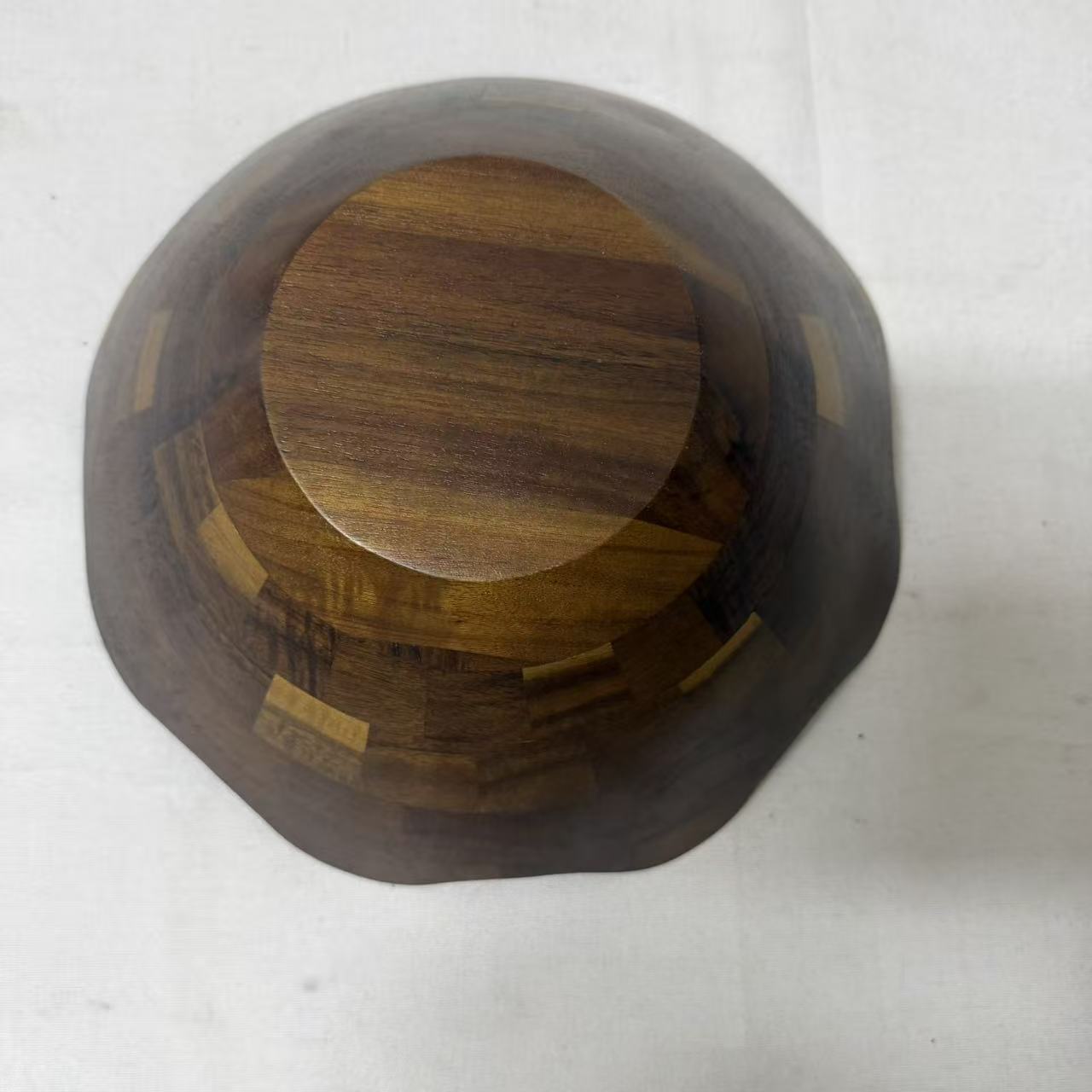
A decorative wooden bowl introduces natural texture and understated elegance to living spaces, retail displays, and hospitality interiors. Its organic grain and warm tones complement minimalist, rustic, Scandinavian, and contemporary design schemes. Displayed on a coffee table, console, dining table, or open shelf, it creates a distinctive focal point without overwhelming surrounding décor. Depending on the design, the bowl can feature smooth curves, sculptural profiles, contrasting wood tones, or carefully finished surfaces. For wholesalers and private-label brands, variations in shape, dimensions, wood species, and finish offer flexibility across different market segments. These decorative accessories also pair naturally with wooden trays, candleholders, and other home décor products.
Get A Quote

Case Study

Contemporary Living Room Styling

Interior retailers can position decorative wooden bowls as versatile accents for coffee tables, sideboards, and console tables. A shallow bowl with visible grain adds texture to a neutral room, while a deeper design creates a stronger sculptural presence. Styling professionals can display the bowl alone or combine it with books, decorative trays, and other accessories to create layered arrangements. Buyers may select natural, dark-stained, or lightly finished wood to complement different furniture collections. For home décor brands, coordinated shapes and finishes help establish a consistent visual identity across product ranges while giving customers flexible options for personalizing everyday living spaces.

Boutique Retail and Gift Collections

Gift shops, lifestyle boutiques, and home accessory retailers can incorporate decorative wooden bowls into collections for birthdays, housewarmings, and seasonal gifting. Their natural appearance appeals to shoppers seeking decorative pieces with a handcrafted aesthetic. Different sizes and silhouettes allow retailers to create tiered assortments, from compact accent bowls to larger statement pieces. Packaging, product labels, and coordinated wooden accessories can further strengthen shelf presentation. Wholesale buyers should evaluate surface quality, grain consistency, dimensions, and finish durability when approving samples. These considerations help retailers select products that complement their existing merchandise and provide customers with attractive decorative options for a variety of interior styles.

Hospitality and Professional Interior Design

Hotels, restaurants, showrooms, and interior design studios can use decorative wooden bowls to introduce warmth into carefully planned environments. A bowl placed on a reception counter, dining console, or lounge table creates a subtle natural accent that works across many décor themes. Designers can coordinate wood tones with furniture, wall finishes, and other decorative accessories to achieve a unified appearance. For commercial projects, buyers should assess dimensions, finish consistency, and the practical demands of the intended setting. Wholesale customization may include selected wood types, shapes, surface treatments, and branded packaging, subject to manufacturing capabilities and agreed order specifications.

A decorative wooden bowl combines the distinctive character of natural timber with the simplicity of functional design. Its appearance depends on the selected wood species, grain direction, bowl profile, dimensions, and surface finish. Round, oval, and organically shaped designs offer different styling possibilities for coffee tables, dining consoles, shelves, and hospitality interiors. Smoothly finished surfaces highlight the wood's natural patterns, while darker stains can create contrast in contemporary spaces. For B2B buyers, product development may cover custom dimensions, selected wood materials, finish options, packaging, and private-label branding, depending on production capabilities and order quantities. Quality assessment should consider surface smoothness, structural integrity, dimensional consistency, and finish uniformity. Buyers should also clarify whether a design is intended exclusively for decoration or is suitable for food contact, since coatings and manufacturing processes can differ. Samples and approved specifications help align expectations before mass production. Home décor retailers, importers, and distributors can build coordinated collections by pairing decorative wooden bowls with trays, candleholders, and complementary tabletop accessories.

Frequently Asked Questions

Where can decorative wooden bowls be used?

Decorative wooden bowls work well on coffee tables, dining consoles, bookshelves, reception counters, and display cabinets. Their natural colors and varied silhouettes complement many interior styles. Select a suitable size and finish based on the surrounding furniture and whether the bowl will serve as a standalone accent or part of a larger arrangement.
Customization may include dimensions, bowl shapes, wood species, surface finishes, and private-label packaging. Available options depend on production capabilities and order requirements. Wholesale buyers should confirm minimum order quantities, sample approval, branding methods, production lead times, and packaging specifications before finalizing a purchase.
Not every decorative wooden bowl is designed for food contact. Suitability depends on the wood treatment, coatings, adhesives, and manufacturing process. If food use is required, buyers should request confirmation of food-contact suitability and applicable compliance documentation rather than assuming a decorative finish is appropriate for serving food.
Dust the bowl with a soft, dry cloth and follow the manufacturer's care instructions for its specific finish. Avoid prolonged moisture exposure, soaking, and harsh cleaning products. Keep the bowl away from excessive heat and direct sunlight to help preserve its appearance and reduce the risk of drying or cracking.
Consider wood species, grain appearance, dimensions, finish quality, design consistency, packaging, and target retail price. Request samples to inspect craftsmanship and verify that the product matches your merchandising needs. For bulk orders, confirm specifications, quality inspection criteria, labeling requirements, and delivery schedules before production begins.

Related article

B2B Woodware OEM/ODM Custom Manufacturing

11

Sep

B2B Woodware OEM/ODM Custom Manufacturing

Scale your brand with Caoxian Kangyi, a trusted custom woodenware manufacturer. Premium B2B woodware OEM ODM services, FDA/LFGB compliant.
View More
What Is a Wooden Spatula Used for in Everyday Cooking?

27

Oct

What Is a Wooden Spatula Used for in Everyday Cooking?

Learn what a Wooden spatula does in everyday cooking, from stirring and flipping to pan care, cleaning, and choosing the right shape.
View More
How to Choose Wooden Barbecue Tools for Outdoor Cooking?

28

Oct

How to Choose Wooden Barbecue Tools for Outdoor Cooking?

Choose wooden barbecue tools with a practical buyer checklist for materials, construction, care, safety, and outdoor use.
View More
Why Are Wooden Cheese Boards Popular in Hospitality?

28

Oct

Why Are Wooden Cheese Boards Popular in Hospitality?

Discover why a wooden cheese board helps restaurants, hotels, and caterers elevate food presentation with practical buying guidance.
View More

Customer Testimonials

James Miller

The decorative wooden bowls complement our home décor collection with natural grain patterns and versatile styling. Customers appreciate their tabletop appeal and suitability for seasonal displays.

Emily Carter

These wooden bowls offer an attractive balance of craftsmanship and simplicity. Their adaptable designs work well in gift shops, home décor stores, and coordinated interior collections.

Get a Free Quote

Our representative will contact you soon.
0/1000
Distinctive Grain Patterns and Natural Finishes

Distinctive Grain Patterns and Natural Finishes

Every wood species offers its own grain characteristics, color variations, and visual texture, giving decorative wooden bowls an individual appearance. Natural finishes preserve a timber-inspired look, while selected stains can create darker, more dramatic accents. These variations help retailers develop collections suited to modern apartments, traditional homes, boutique interiors, and hospitality environments. When evaluating products, buyers should examine grain presentation, smoothness, finish consistency, and the quality of the bowl's overall shape. Coordinating several sizes or finishes can create a cohesive display across shelves and tabletop arrangements. Clear product specifications and sample approval help wholesale customers maintain consistent expectations throughout product selection and repeat purchasing.
Flexible Styling for Modern Home Décor

Flexible Styling for Modern Home Décor

Decorative wooden bowls adapt easily to changing interior themes because their simple forms complement a wide range of materials and colors. A natural bowl can soften a stone or glass coffee table, while a darker finish can add contrast to a light console. Retailers can present these pieces individually or alongside wooden trays, ceramic accessories, and decorative books to inspire coordinated purchases. Different diameters and depths also create options for compact shelves and larger statement displays. For distributors, offering varied silhouettes and finishes broadens merchandising possibilities without moving away from a consistent natural-material aesthetic. This versatility makes wooden bowls useful additions to year-round home décor assortments.