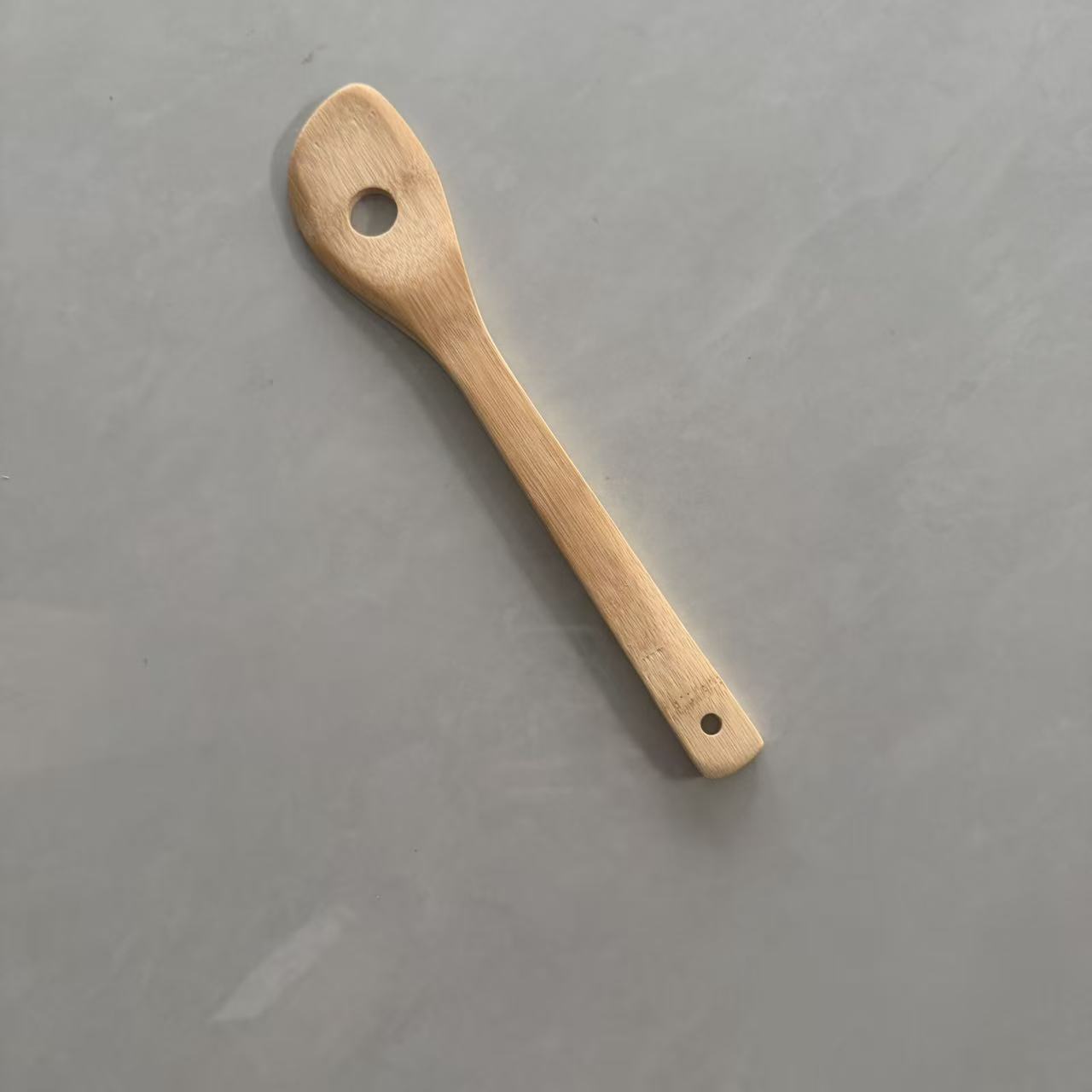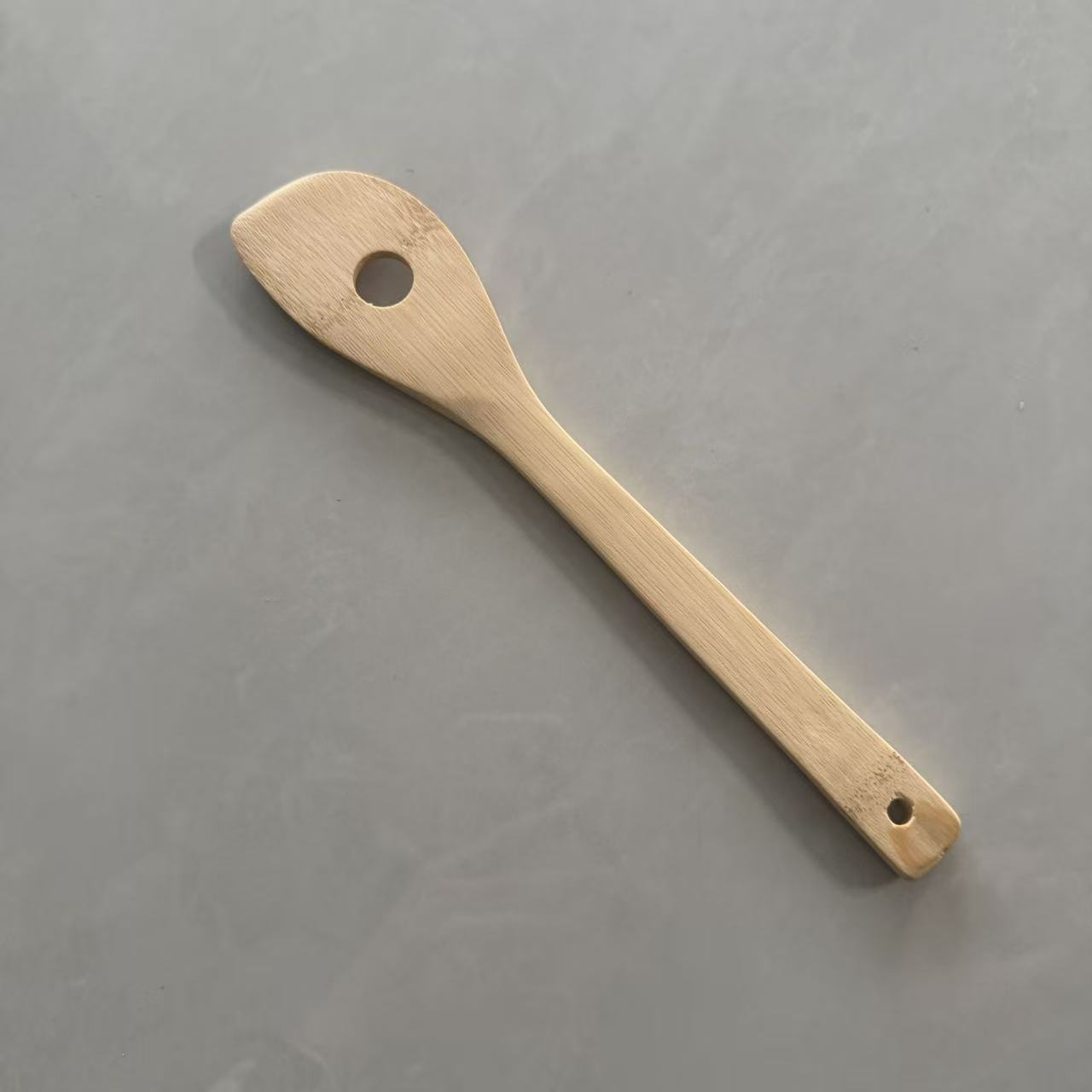
Wooden Spoons for Cooking: Custom Wholesale Solutions

Welcome to our store!Black Friday Sale!

showlist/wooden-spoons-for-cooking, showlist/wooden-spoons-for-cooking, 
Inquiry
Inquiry
Reviews Title 1: Reliable Wooden Spoons for Everyday Cooking

Reviews Title 1: Reliable Wooden Spoons for Everyday Cooking

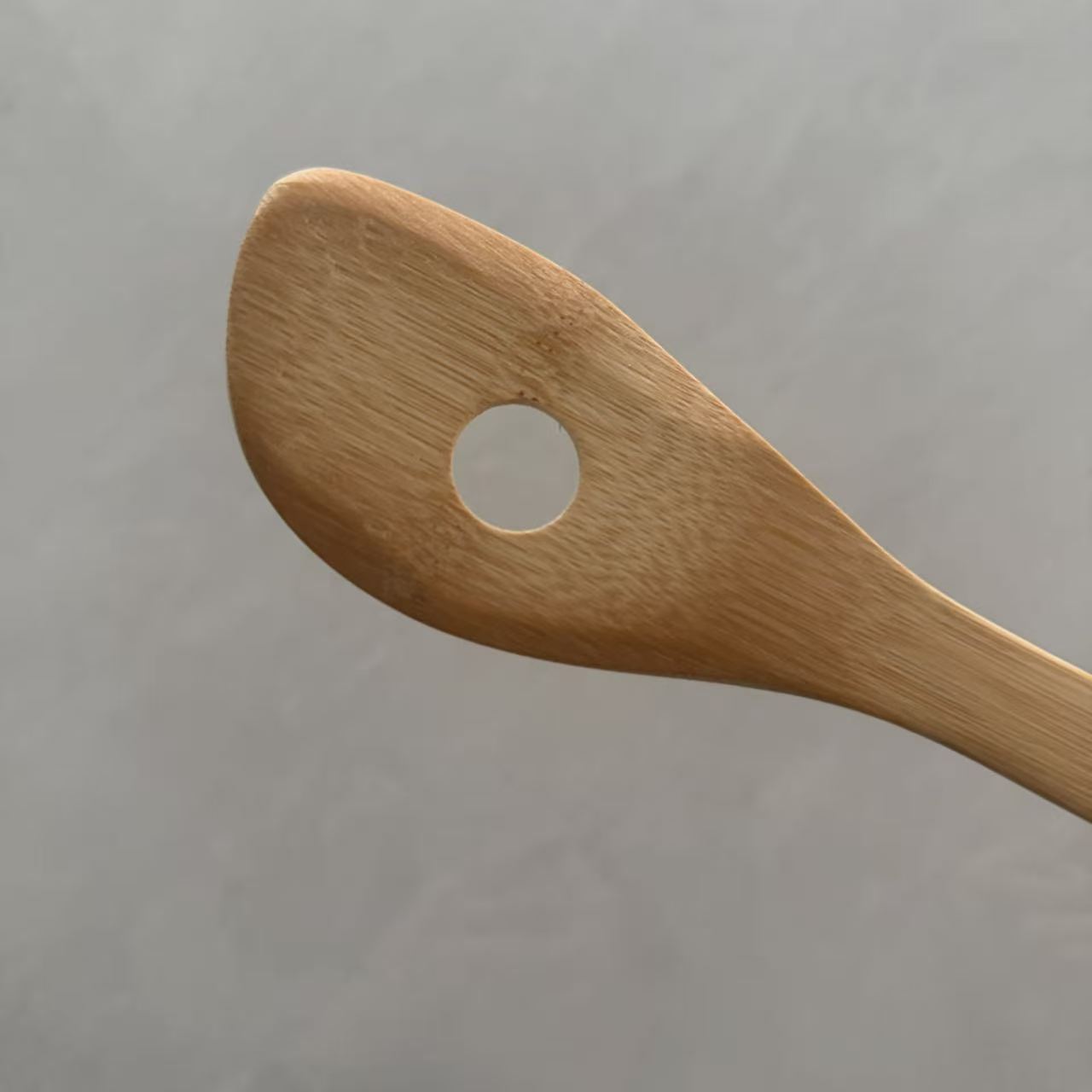
Wooden spoons for cooking offer a practical combination of comfort, versatility, and natural appeal for modern kitchens. Suitable for stirring sauces, mixing ingredients, folding batters, and serving vegetables, they support everyday cooking in homes, restaurants, and hospitality settings. Their smooth wooden surfaces provide a comfortable grip, while properly finished edges help improve handling during repeated use. For kitchenware brands, retailers, and wholesale distributors, customizable spoon shapes, lengths, wood species, and packaging create opportunities to serve different market segments. A coordinated collection of 3–5 spoon styles can help retailers address multiple cooking needs within one product range. Woodenky supports product customization for businesses developing distinctive wooden kitchenware collections.
Get A Quote

Case Study

Wooden Spoons for Home Kitchen Collections

Home kitchenware brands need cooking utensils that combine functionality with attractive presentation. A collection of wooden spoons in several lengths can serve different tasks, from stirring small saucepans to mixing ingredients in larger pots. Woodenky can help buyers explore customized dimensions, handle shapes, and natural finishes to match their product positioning. For example, a three-piece spoon collection could include a short stirring spoon, a standard cooking spoon, and a longer mixing spoon. This assortment gives retailers a straightforward way to organize products by use while maintaining a consistent visual identity across the collection.

Wooden Cooking Utensils for Restaurants

Restaurants and catering businesses require utensils suited to frequent food preparation and practical kitchen workflows. Wooden cooking spoons are useful for stirring soups, mixing sauces, and preparing vegetables in suitable cookware. Buyers can evaluate handle length, bowl shape, wood selection, and surface finishing according to their operational needs. A commercial kitchen supplier, for instance, could develop a two-size assortment featuring standard spoons for general preparation and longer handles for deeper pots. Clear specifications and consistent quality checks help purchasing teams compare samples, establish product requirements, and select utensils that fit their intended applications.

Private Label Wooden Spoons for Retailers

Private label businesses often seek kitchenware products that can be differentiated through design, packaging, and branding. Wooden spoons provide a versatile starting point for building coordinated cooking utensil collections. Woodenky can discuss customization options such as spoon profiles, dimensions, finishes, and packaging requirements with prospective buyers. A retailer launching a natural kitchenware line might combine cooking spoons with spatulas and serving utensils under one visual theme. Before mass production, reviewing samples and confirming specifications helps align expectations for appearance, dimensions, and finishing. This approach supports more organized product development for distributors, importers, and established kitchenware brands.

Wooden spoons for cooking remain a versatile choice for kitchenware retailers, private label brands, hospitality suppliers, and distributors. Their natural appearance complements contemporary, rustic, and traditional kitchen collections, while different bowl shapes and handle lengths accommodate a variety of preparation tasks. Common applications include stirring soups, mixing sauces, folding ingredients, and serving cooked vegetables. Woodenky offers opportunities to develop wooden kitchenware products around specific market requirements. Buyers can discuss wood species, dimensions, surface finishes, spoon profiles, and packaging options to create products suited to their intended customers. For example, a retailer targeting premium home kitchens might select finely finished spoons with coordinated natural tones, while a wholesale supplier may prioritize practical shapes and consistent specifications. Product development should consider grain appearance, surface smoothness, handle comfort, and the intended frequency of use. Samples allow buyers to assess these characteristics before confirming an order. Clear requirements for materials, finishing, inspection, and packaging also help establish expectations between suppliers and purchasing teams. For international buyers, customized wooden cooking spoons can support differentiated product ranges without sacrificing everyday practicality.

Frequently Asked Questions

What types of wooden spoons are suitable for cooking?

Wooden cooking spoons come in several designs, including rounded stirring spoons, flat-edged spoons, slotted spoons, and long-handled mixing spoons. The best option depends on the cookware, food preparation task, and target customer. Retailers can combine different shapes and sizes to create a more versatile kitchen utensil collection.
Buyers can discuss customization requirements with Woodenky, including spoon dimensions, handle profiles, wood selection, finishing, and packaging. Availability depends on the product specification and order requirements. Businesses should confirm minimum order quantities, sampling arrangements, branding options, production schedules, and quality standards before placing a bulk order.
Wooden spoons are generally suitable for many nonstick pans because they are less likely to scratch coatings than metal utensils when used properly. However, buyers should inspect the spoon's surface for rough areas and splinters. Following cookware manufacturer instructions and maintaining utensils correctly helps support safe, practical everyday use.
Wash wooden spoons by hand with mild dish soap and warm water, then dry them promptly with a clean towel. Avoid prolonged soaking and generally avoid dishwashers unless the manufacturer explicitly confirms suitability. Regular inspection helps identify cracks, splinters, or excessive wear that may indicate a need for replacement.
Wholesale buyers should confirm wood species, dimensions, surface finish, acceptable tolerances, packaging, branding, minimum order quantities, and lead times. Requesting samples helps evaluate workmanship before production. Buyers should also establish inspection criteria and discuss applicable food-contact requirements for the intended destination market to reduce sourcing uncertainties.

Related article

Wooden Bread Storage Box Materials and Ventilation Design Explained.

27

Oct

Wooden Bread Storage Box Materials and Ventilation Design Explained.

Learn how wooden bread storage box materials and ventilation design balance freshness, cleaning, and everyday kitchen use.
View More
Benefits of Wooden Display Stands for Product Presentation.

27

Oct

Benefits of Wooden Display Stands for Product Presentation.

Discover how a Wooden display stand improves visibility, visual merchandising, and branded product presentation in retail settings.
View More
How to Keep Bread Fresh in a Wooden Bread Storage Box?

27

Oct

How to Keep Bread Fresh in a Wooden Bread Storage Box?

Keep loaves fresher with a wooden bread storage box: practical airflow, placement, cleaning, and freezing tips for every bread type.
View More
Custom Wooden Coasters for Corporate Gifts and Branding.

27

Oct

Custom Wooden Coasters for Corporate Gifts and Branding.

Explore wooden coasters for corporate gifts: choose engraving, packaging, samples, and sourcing controls for effective branding.
View More

Customer Testimonials

James Wilson

Our customized wooden cooking spoons performed well in daily meal preparation. The smooth finish and comfortable handles helped our kitchenware range achieve positive customer feedback and consistent retail demand.

Emily Carter

We sourced wooden spoons for our kitchenware collection and appreciated the natural appearance, practical designs, and customization options. They complemented our existing products and expanded our cooking utensil selection.

Get a Free Quote

Our representative will contact you soon.
0/1000
Carefully Finished Surfaces for Everyday Kitchen Tasks

Carefully Finished Surfaces for Everyday Kitchen Tasks

A well-finished wooden cooking spoon should feel comfortable in the hand and have a smooth surface without obvious splinters or rough edges. These details matter when users stir sauces, mix ingredients, or prepare meals repeatedly throughout the week. Woodenky buyers can discuss finishing requirements and review product samples to assess the appearance and handling characteristics before ordering. For example, a kitchenware retailer developing a premium collection may prioritize consistent surface quality and coordinated wood tones across 3 spoon sizes. Defined inspection criteria help purchasing teams evaluate incoming products against approved samples. The result is a more coherent assortment designed around practical use and customer expectations.
Flexible Customization for International Kitchenware Buyers

Flexible Customization for International Kitchenware Buyers

Different markets have different expectations for cooking utensils, from compact spoons for smaller kitchens to longer designs for deep cookware. Woodenky can discuss product dimensions, handle profiles, wood options, and packaging with buyers developing wholesale or private label collections. A distributor serving homeware stores, for example, might request 3 complementary spoon designs to cover stirring, mixing, and general preparation. Coordinating these products through a shared design direction can create a recognizable collection while helping simplify merchandising. Buyers should confirm specifications, sampling, labeling, and packaging details before production.