AR

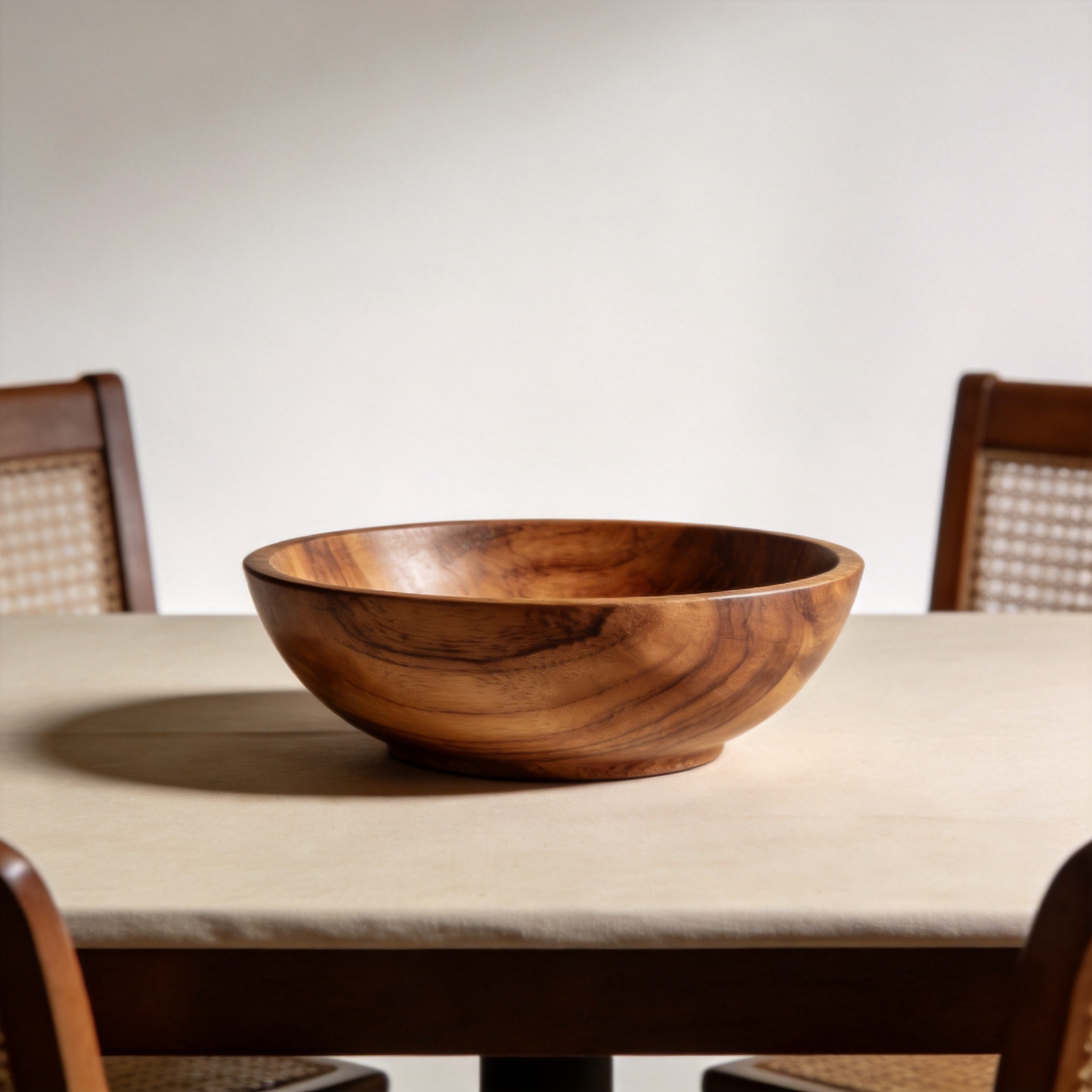
Quod lignum optime ad scutellam ligneam aptum est?
Bonus wooden bowl non solum ex specie eligitur. Ut inspector materiae, a munere quod scutella praestare debet inciperem: foliaceas salatas servare, sicca cibaria tenere, cotidianum usum familiaris sustinere, aut decorativum mensae momentum creare. Idoneum lignum duritiam, stabilitatem venarum, finitionem ad contactum cum cibis, et curam quam emptor realiter praebere potest, aequilibrat.
Pro multis cotidianis applicationibus, acaciae scutella fortis optio universalis est. Acacia densa est, visibiliter expressiva, et vulgo in ligneis culinae utensilibus utitur. Tamen praemium wooden bowl non solum ex titulo ligni duri iudicandum est. Qualitas siccationis, constructio, limatura, et finitio determinant utrum post multos usus adhuc utilis maneat.
Brevis responsio: lignum ex usu eligatur
Si unam practicam recommendationem desideras, bene factam eligere debes acaciae scutella for a versatile serving piece. Its warm color variation and pronounced grain give it retail appeal, while its density suits normal serving use. For a classic large wooden salad bowl , walnut, maple, and cherry are also excellent candidates when the maker has controlled moisture content and used a suitable finish.
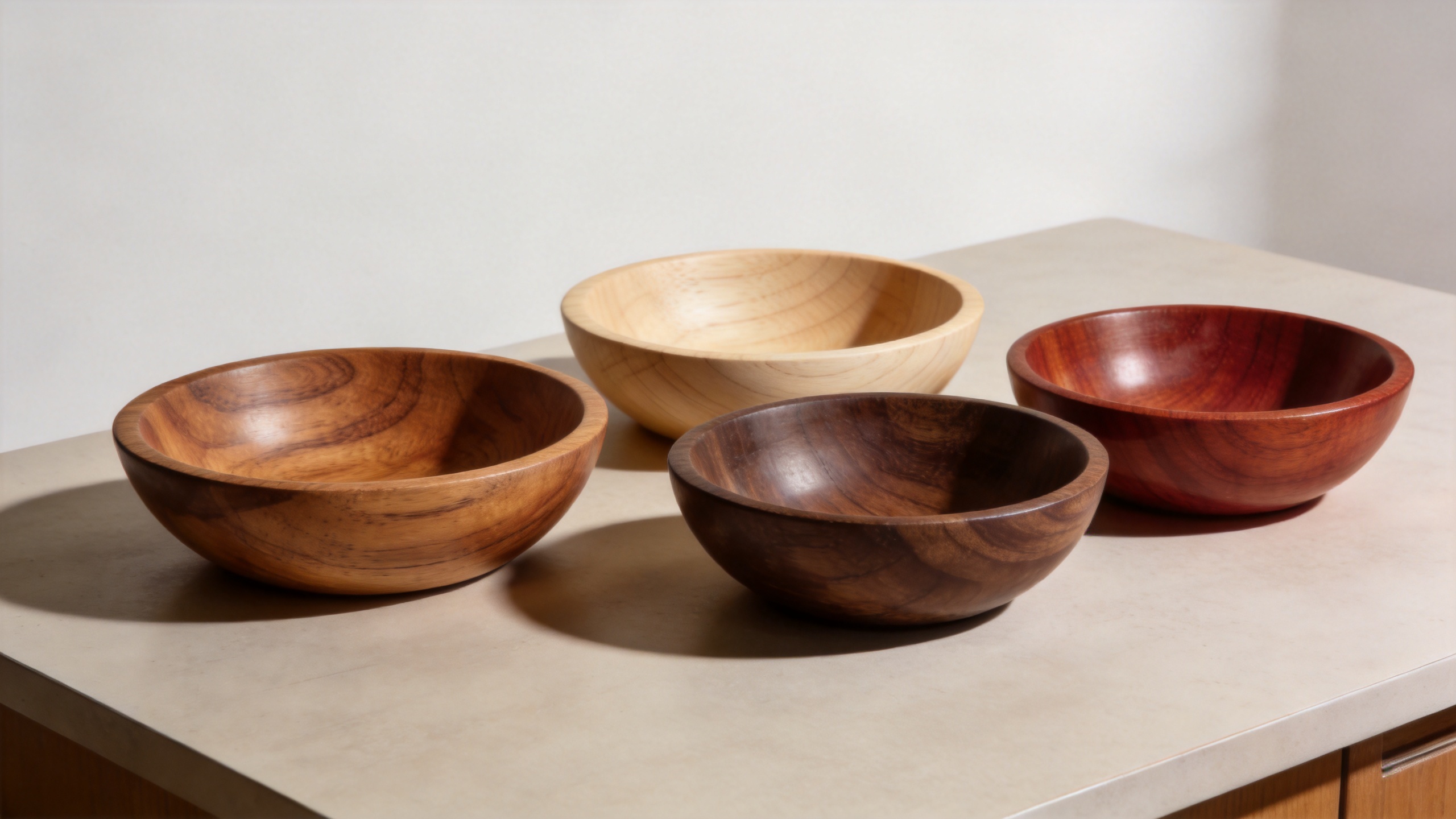
There is no single winner for every buyer. A light-colored maple bowl can fit a clean, uniform table setting. Walnut creates a darker, more formal look. Cherry develops a warmer tone over time. Olive wood is striking but can be more variable and needs careful sourcing. A handcrafted bowl should be evaluated as a finished object, not ranked only by species.
What properties matter most in a wooden bowl?
Use these four checks before choosing material or approving a sample:
- STABILITAS DIMENSIONALIS: Wood exchanges moisture with its environment. A properly dried, evenly constructed wooden bowl is less likely to move, crack, or warp as household humidity changes.
- Density and surface durability: Densa ligna dura generaliter melius tolerant usum ordinarium quam species molliores. Hoc interest pro wooden salad bowl quod saepe manu tractabitur, lavabitur, et rursus congeretur.
- Granus et constructio: Granum debet videri intencionatum et ordo debet sentiri levis. Pro maiore wooden bowl , inspicere oportet basim, spissitudinem parietis, et quascumque iuncturas ad conspiciendam et visualem et structuralem constantiam.
- Perfectio et cura: Species ligni non facit automatico item aptum ad contactum cum cibis. Interroga quae perfectio utatur, num plene sit indurata, et quae documenta specifica pro regione venditionis praebentur.
Haec distinctio est gravis pro emptoribus lignea Tableware . Pulchrum lignum tamen potest deficere si non bene siccatum est, si perfectio male applicata est, aut si utentes nullas instructiones de cura accipiunt.
Quomodo acacia comparatur cum aliis popularibus lignis pro scutellis
| Lignum | Cur buyers id considerat | Optime Adaptatum | Quid Inspectandum Est |
|---|---|---|---|
| Acacia | Contrastum calidum, granum visibile, sensus densum | Series pro usu cotidiano et donis | Variatio coloris, siccatio, constantia finitionis |
| Maple | Aspectus levis et mundus et granum tenue | Tabulae nitidae et minimae | Expectationes de qualitate finitionis et resistentia ad maculas |
| Nucis iuglandis | Tonus ater dives et character premium | Pecuniae pro serviendo notabiles | Concordantia colorum in toto instructo |
| Cerasus | Warm tone that develops character | Traditional or giftable tableware | Expected color change over time |
| Olive wood | Distinctive, high-contrast grain | Small decorative or specialty bowls | Natural variation and appropriate care guidance |
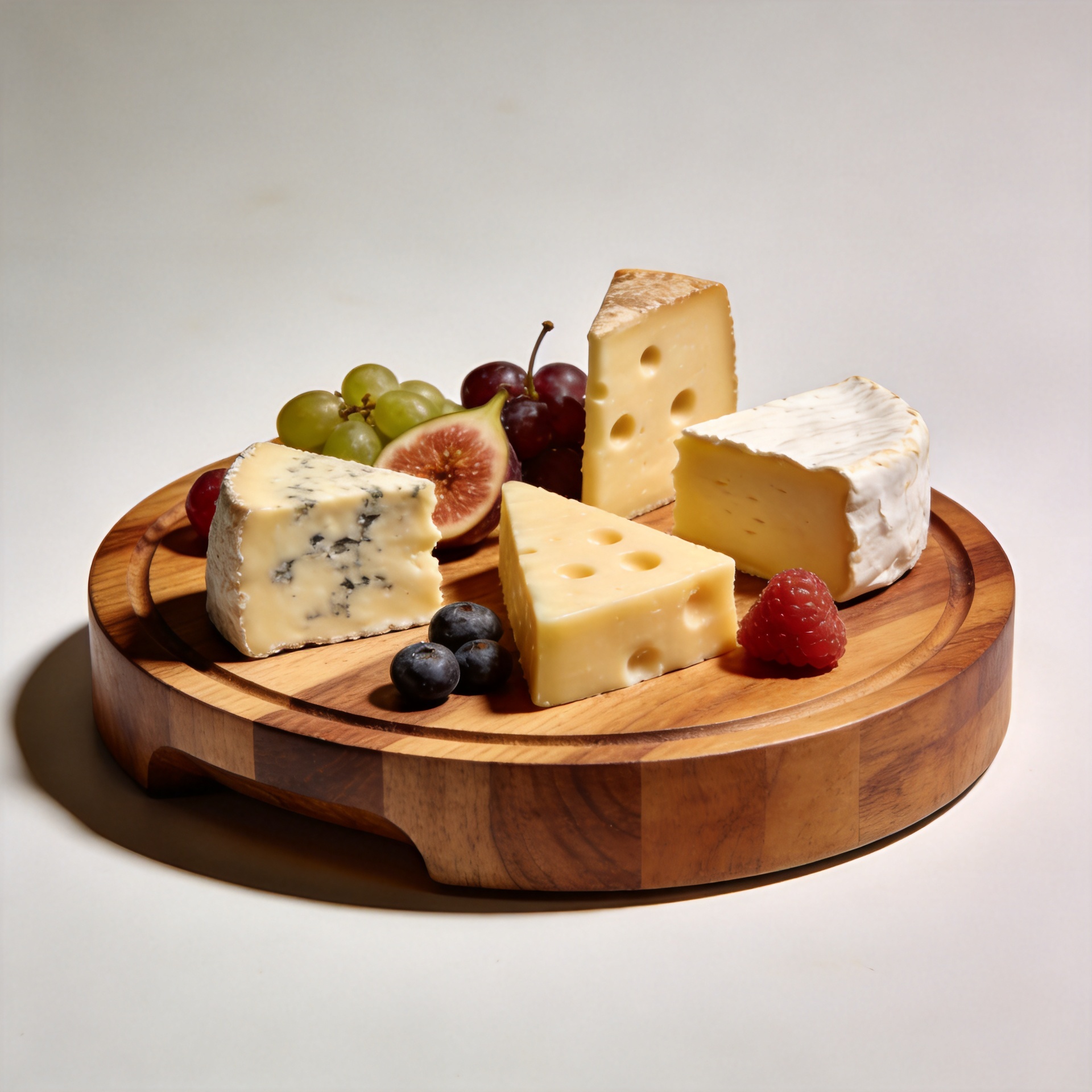
An acaciae scutella often sits in the practical middle: it looks distinctive without requiring an overly formal setting, and its natural variation can make each handcrafted bowl feel individual. That variation should be shown honestly in photography and samples. It is a feature for buyers seeking natural character, but it is not a substitute for production consistency.
When is acacia a suitable choice?
An acaciae scutella is especially suitable when you want a durable-looking, warm-toned wooden bowl for salads, fruit, bread, or dry serving. It also works well for ranges that need a recognizable species story. Caoxian Kangyi Wood Products works with acacia across wooden kitchenware, so the material is a relevant starting point for buyers comparing serving formats and finish expectations.
Choose acacia when the brief calls for grain contrast, a substantial feel, and a natural look that can work in both casual and premium settings. Do not choose it blindly when a project requires highly uniform color across hundreds of units; instead, agree on a sorting standard, approved sample, and tolerance for natural variation before production.
Do not overlook finish, moisture, and maintenance
Even a well-made wooden bowl can fail early if it is soaked, put in a dishwasher, or left wet. Most wooden tableware benefits from hand washing, quick drying, and occasional reconditioning according to the finish supplier’s instructions. A buyer should request care guidance for every wooden bowl range, especially if the item is intended for gift retail or online sale.
For food use, verify the exact finish system rather than accepting a generic “food-safe” label. The relevant question is whether the fully cured finish and the final product documentation meet the requirements of the destination market. This is a sourcing checkpoint, not a claim that can be inferred from an acaciae scutella , walnut bowl, or any other species.
A sample-review checklist for wholesale buyers
- Hold the wooden bowl under natural light and assess grain, color variation, and visible repairs.
- Run a hand around the rim and interior; a handcrafted bowl should feel consistently sanded, with no rough patches or sharp transitions.
- Check the base for stable contact with a flat surface.
- Ask how the wood was dried and how the finish is cured.
- Confirm the intended use: a decorative bowl, snack bowl, and wooden salad bowl do not face identical exposure to moisture and handling.
- Request written care directions and the compliance documentation your market requires.
Recomendatio finalis
A suitable wood for a wooden bowl is a well-prepared hardwood matched to the product’s job. For many buyers, acacia is a versatile all-purpose option because an acaciae scutella combines a dense feel, warm grain, and versatile presentation. Maple, walnut, cherry, and olive can be equally appropriate when their appearance and use case fit the range.
Make the final decision from a finished sample—not a species name alone. A properly dried, smoothly finished wooden bowl with realistic care guidance will serve customers better than a more fashionable wood with weak quality control. That is how a wooden salad bowl aut aliud lignea Tableware becomes a dependable long-term purchase rather than just an attractive display piece.